
The Ministry of Health has issued Circular 54/TT-BYT, establishing a new legal framework for public traditional medicine (TM) hospitals in provinces and cities. This document officially replaces the 2011 regulations, providing a comprehensive view of the roles and structures of these medical facilities in the new era.
7 Core Functions Under the new regulations, TM hospitals act as multi-functional hubs:
-
Medical: Examination, treatment, and functional rehabilitation.
-
Training: Developing specialized medical human resources.
-
Scientific: Researching and applying modern technology to TM.
-
Network Support: Transferring techniques to lower-level facilities.
-
Advisory: Proposing healthcare system development policies.
-
Public Health: Disease prevention and disaster response.
-
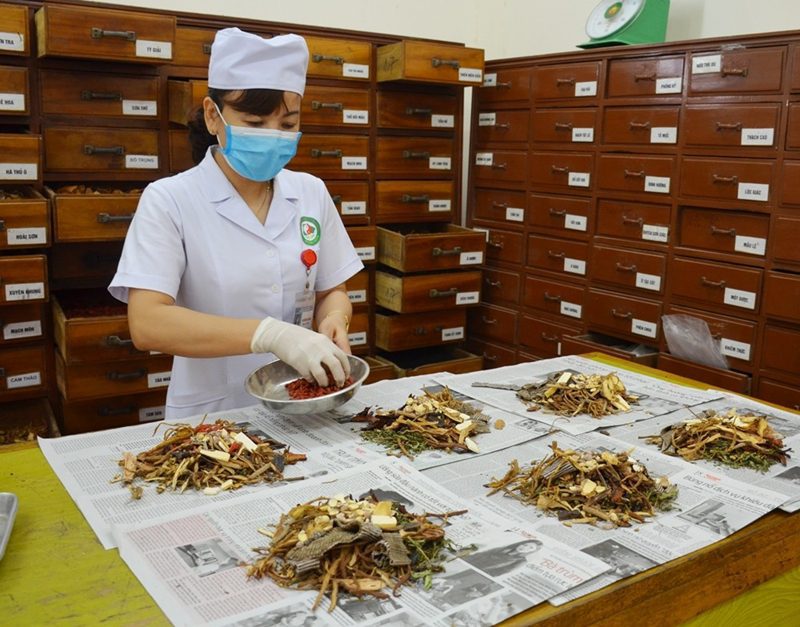
Production: Processing and preparing herbal ingredients and traditional medicines.
Key Tasks and Authorities Hospitals are tasked with strictly integrating TM with modern medicine. Notably, these facilities are permitted to provide telehealth, mobile, and on-demand medical services. Regarding pharmacy, hospitals are authorized to supply self-prepared medicines to other medical units or individuals upon meeting legal requirements.
In terms of authority, hospitals are guaranteed autonomy in their operations, with the right to issue scientific conclusions as legal bases and request relevant parties to provide information for professional purposes.
Organizational Structure and Timeline The hospital structure will comprise professional departments and administrative support blocks (such as quality management, IT, and social work). Specialized-level units must adhere to additional stringent standards under the Law on Medical Examination and Treatment.
This Circular takes effect on March 1, 2026. Existing hospitals will maintain their current organizational apparatus as previously approved until new adjustments are made in accordance with this framework.