

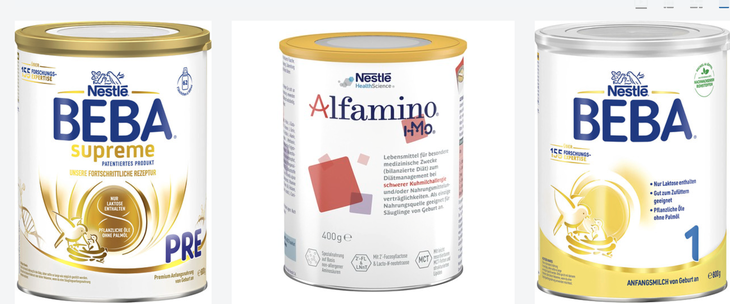
As of January 8, Nestlé has expanded its global recall of infant formula batches to more than 40 countries and territories. The decision stems from the potential contamination of Cereulid, a toxin produced by the bacterium Bacillus cereus.
Why Bacillus cereus is hazardous Commonly found in soil and water, Bacillus cereus is a spore-forming bacterium with highly resilient characteristics:
-
Heat Resistance: Its spores can survive standard cooking temperatures.
-
Dual-Toxin System: It produces two types of toxins. One causes diarrhea within 6-15 hours after ingestion. The other, Cereulid—the primary concern in Nestlé’s recall—develops directly within starchy foods or dairy products, causing severe vomiting within 30 minutes to 6 hours.
Real-world risks and prevention In Vietnam, this bacterium has been identified as the cause of several large-scale food poisoning incidents in schools and eateries, often due to improper storage. When cooked food is left at room temperature for extended periods, the spores “awaken,” multiply, and release toxins.
Safety recommendations from experts include:
-
Temperature Control: Maintain hot foods above 60°C and cold foods below 4°C.
-
Time Limits: Never leave perishable food at room temperature for more than 2 hours.
-
Reheating: Ensure food is reheated to at least 74°C before consumption.
While Nestlé reports no confirmed illnesses linked to the recalled products so far, Vietnamese authorities continue to monitor the situation closely, advising parents to stay informed about specific batch numbers.