

In the landscape of the global economy over the past decade, few professional sectors have experienced such a dramatic shift in status as Human Resources (HR). Once viewed as a purely administrative function, HR has emerged as a strategic cornerstone in the organizational charts of enterprises across developed nations. Empirical data reveals that in the United States, the scale of this workforce reached 1.3 million professionals by 2024, representing a 64% growth within just ten years. This figure is striking when compared to the general overall employment growth of only 14% during the same period. This phenomenon is not isolated, as similar patterns have emerged in the United Kingdom, Germany, and Australia, reflecting a global trend in the modern knowledge economy.
Accompanying this quantitative growth is a revolution in compensation and power within the executive suite. The pay gap between HR leaders and other functional directors has narrowed significantly. While in the early 1990s, the total compensation of a Chief Human Resources Officer (CHRO) was approximately 40% of the average for other directors, by 2022, this figure had surged to 70%. This influence is further evidenced by HR experts moving beyond advisory roles to take direct control of the highest executive positions. The appointment of individuals with HR backgrounds as CEOs at heavy industrial giants like General Motors or major retail chains serves as a clear testament that people management has become a pivotal skill for leading an enterprise.
This expansion has been driven by a series of era-defining challenges. Foremost among these is the scarcity of high-quality talent, with nearly three-quarters of firms admitting difficulty in finding personnel with the right skills. The combination of an aging population and the demand for new technological proficiencies has elevated the recruitment and training roles of HR to a top priority. Subsequently, social shifts such as personal rights movements and the global pandemic have presented unprecedented problems. From establishing remote work protocols and managing mental health to implementing policies on equity and diversity in the workplace, HR has acted as a continuous “crisis manager.” Additionally, the burden of legal compliance has steadily increased as wage and labor regulations become more complex, requiring a dedicated team to mitigate legal risks for the company.
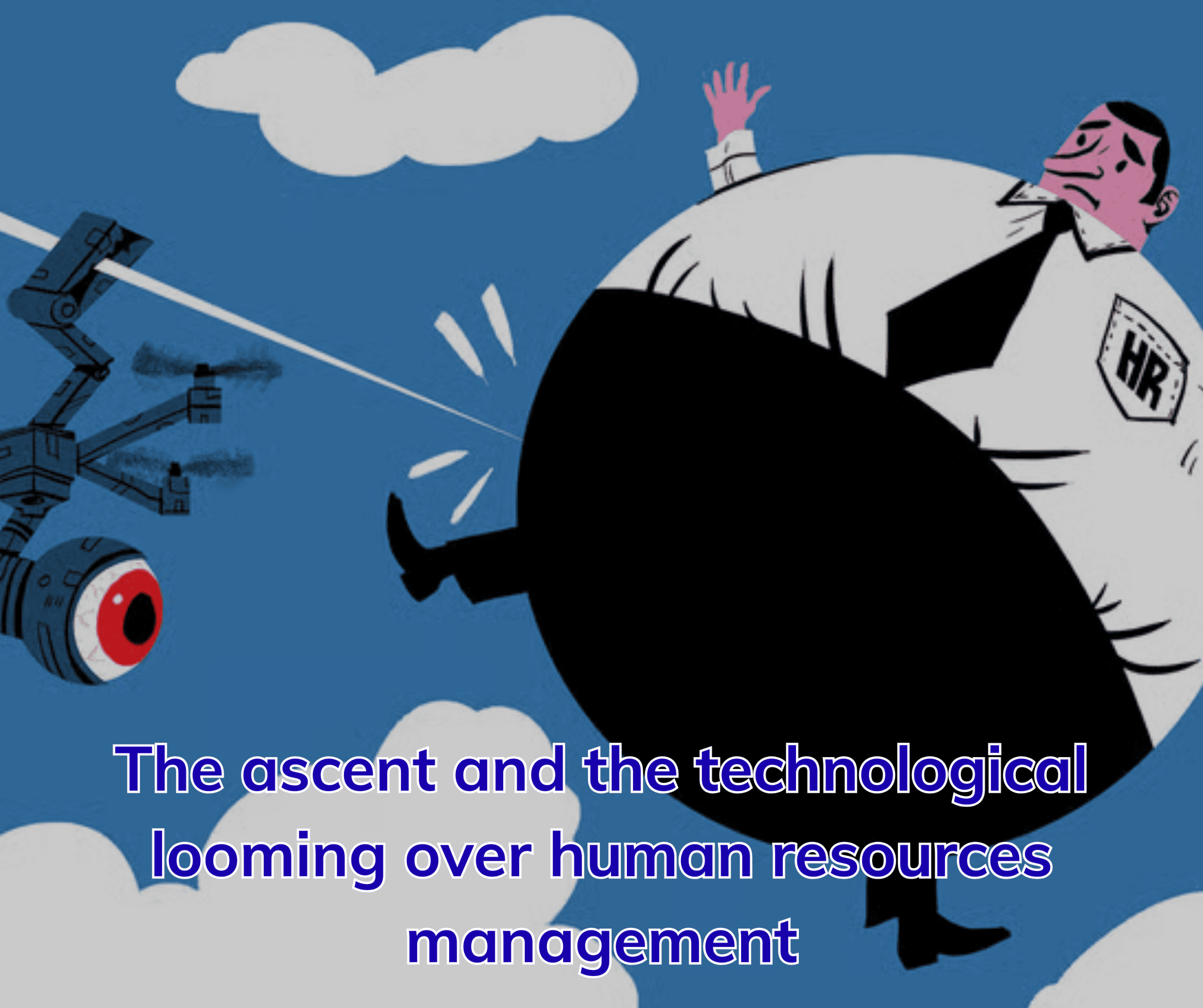
However, at the very peak of its influence, the HR profession is beginning to face significant headwinds. Shifting economic cycles have led to cost-cutting measures, and ironically, the very department that facilitated massive hiring waves has become a primary target for layoffs as giants like Amazon execute restructuring plans. Yet, the greatest threat does not stem from temporary fluctuations but from a shift in core technology. Artificial Intelligence (AI) is beginning to penetrate the heart of the industry’s tasks. Algorithms now possess the capability to replace humans in filtering thousands of candidate resumes, while automated systems can handle the majority of internal inquiries regarding policies and benefits.
Recent analytical reports have issued a sobering warning: HR is currently the business function with the highest rate of headcount reduction due to AI compared to any other department. While a small portion of the HR workforce remains busy training employees on how to use new technology, a larger segment is facing the reality that their operational processes are being fully automated. The future of the people management profession stands at a grand paradox: at the very moment their role is deemed most vital in history, machines are beginning to prove they can perform those tasks more efficiently and at a lower cost.
Source: https://www.economist.com/business/2025/11/10/how-hr-took-over-the-world