

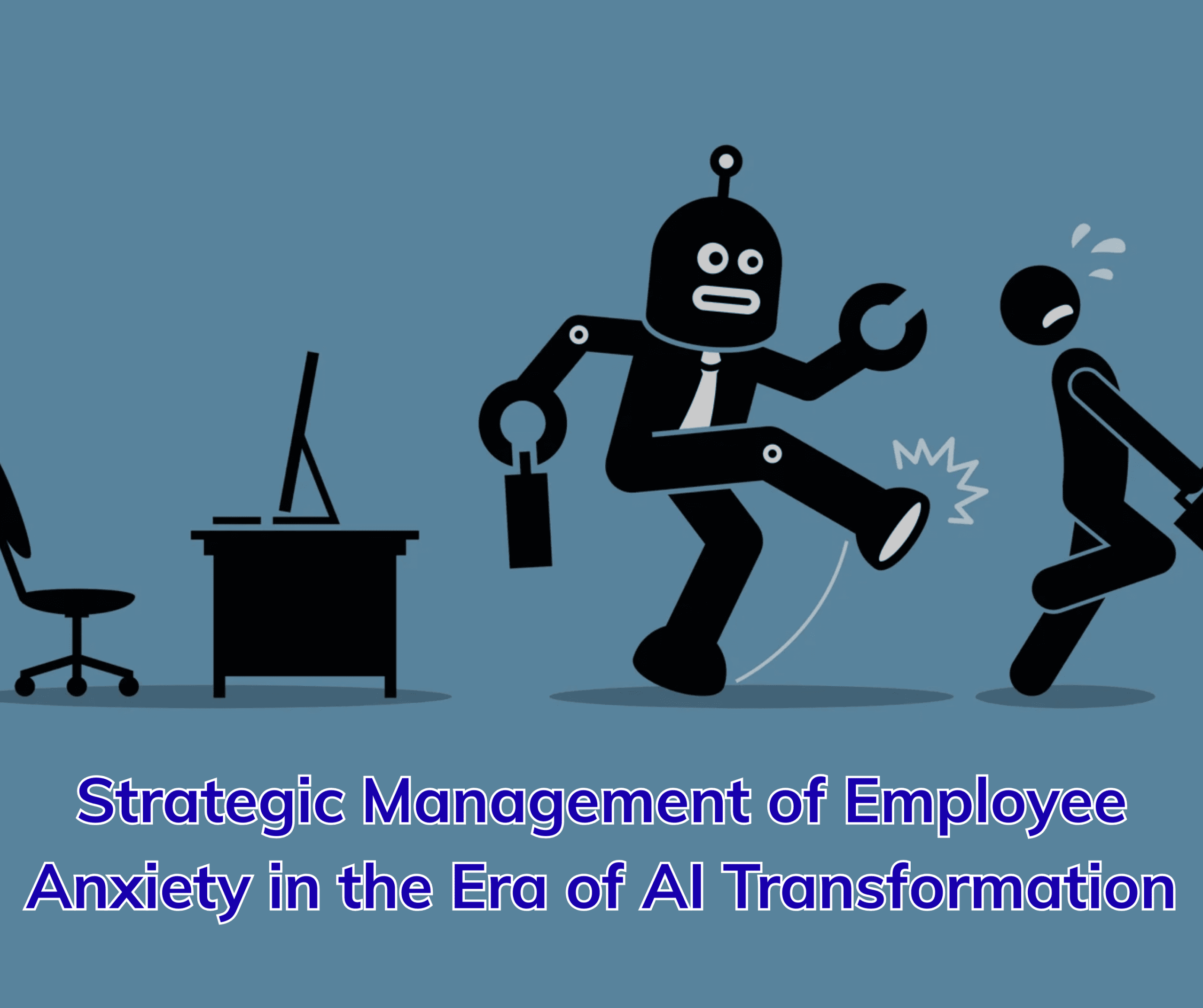
Executive Overview The AI revolution is far more than a technical shift; it represents a profound psychological disruption for the global workforce. As traditional operational models are rendered obsolete, the leader’s mandate has shifted from mere performance coordination to the active management of uncertainty. In an era where stability can no longer be guaranteed, the ability to guide a team through collective anxiety is the ultimate benchmark of modern leadership.
1. Confronting Reality: Transparency as an Alternative to Certainty History shows that ambiguity is the primary catalyst for organizational anxiety. Employees do not expect leaders to be infallible or prophetic; instead, they seek honest partnership.
-
Embracing Vulnerability: When a leader acknowledges their own concerns regarding AI, it does not diminish authority. Rather, it fosters a human connection. Naming the anxiety reduces its power over the team.
-
Commitment to Process, Not Permanence: While leaders cannot promise that every role will remain unchanged, they can commit to a transparent transition process. This involves frequent communication and ensuring that human interests remain at the core of every strategic decision.
2. Architecting Dialogue: The “Container” Model in Management Addressing internal team conflicts requires a systematic approach rather than ad-hoc conversations.
-
Creating Psychological Safety: A “container” is a structured environment where judgment is suspended. Here, existential questions regarding professional identity—”What is my purpose if AI outperforms me?”—must be met with empathy and respect.
-
Facilitation Skills: Leaders must discern the “question behind the question.” Technical inquiries often mask deep-seated fears of obsolescence. Implementing rules such as using “I” statements allows for profound, non-confrontational emotional exploration.
3. Strategic Pivoting: Transitioning from Passengers to Pilots Anxiety is often fueled by a perceived loss of agency. To counter this, organizations must provide the tools necessary for employees to actively engage with emerging technology.
-
Proactive Reskilling and Adaptation: Withholding information about AI-driven restructuring is a strategic failure that erodes trust. Forward-thinking organizations prioritize early reskilling pathways, helping talent find the synergy between human intuition and computational power.
-
Reasserting Human Oversight: Clear ethical guardrails must be established, reinforcing that AI is a supportive tool, not a final decision-maker. Maintaining human accountability ensures that employees retain their professional dignity and sense of control.
4. Sustaining Resilience Through Reflection AI-induced anxiety is not a temporary hurdle but a long-term condition. Leaders should adopt a “spacious mode”—deliberately slowing down amidst the frantic race for technological dominance. These pauses allow teams to reflect, strengthen relationships, and spark innovation. Success in the AI era is measured not only by data processing speeds but by the resilience of trust and the strength of the shared organizational purpose.