
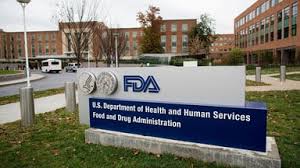
Amidst a surge in domestic production investments, the FDA has officially launched the PreCheck pilot program. This initiative is designed to streamline regulatory complexities and accelerate the establishment of new pharmaceutical manufacturing plants within the United States.
Strategic goals and context:
-
Reshoring production: According to FDA Commissioner Marty Makary, the program is a bold step to bring pharmaceutical manufacturing back to the U.S. after more than 30 years of offshoring.
-
Supply chain resilience: PreCheck focuses on reducing reliance on foreign-sourced finished drugs and raw materials, particularly Active Pharmaceutical Ingredients (APIs).
Eligibility and priority criteria:
To participate in the pilot, manufacturing sites must meet strict requirements:
-
Greenfield facilities: The program is limited to entirely new production plants, excluding the expansion of existing sites.
-
National priorities: Priority is given to facilities producing critical medicines, rare disease treatments, or those utilizing innovative manufacturing technologies (AI, automation).
-
Long-term commitment: Companies must pledge to actively manufacture products at the facility for at least three years following FDA approval.
-
Domestic sourcing: The FDA strongly incentivizes facilities that commit to using 100% U.S.-sourced APIs and drug substances.
The two-phase PreCheck framework:
-
Facility Readiness Phase: The FDA provides early technical advice during the design and construction stages to ensure compliance with cGMP standards before operations begin.
-
Application Submission Phase: Streamlines the assessment of the “Chemistry, Manufacturing, and Controls” (CMC) section of drug applications through pre-submission meetings and early inspections.
Notable Project: Just ahead of the program’s debut, Eli Lilly announced a $3.5 billion investment for a new injectable medicine and device factory in Pennsylvania, dedicated to producing next-generation weight-loss therapies.