

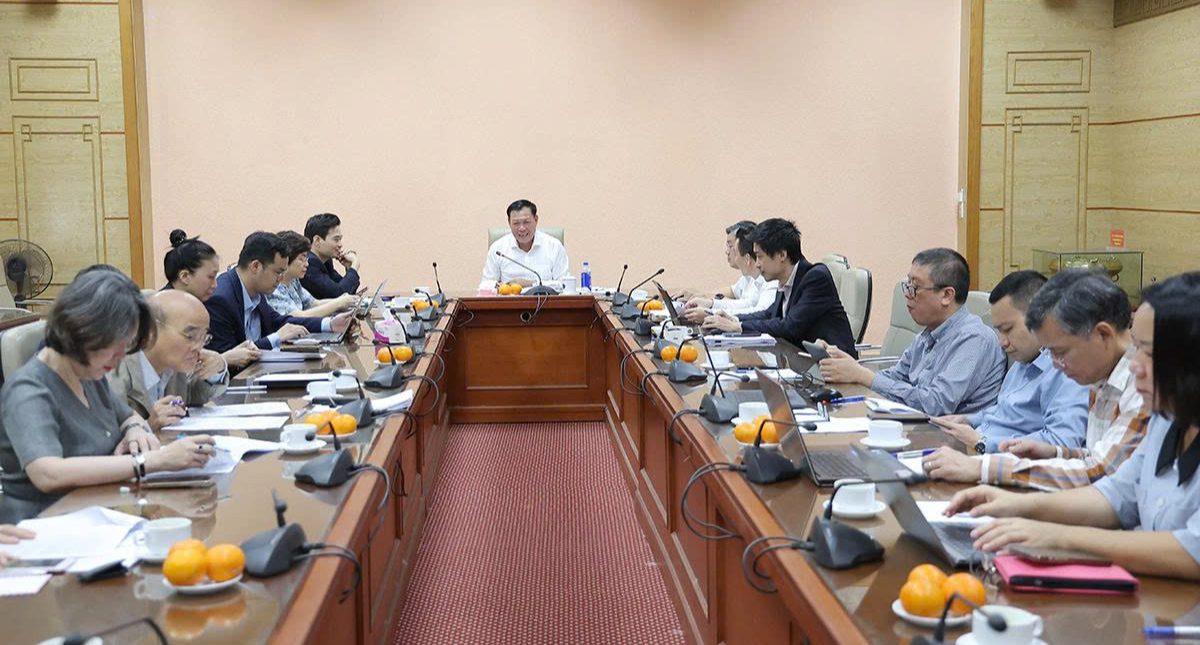
To remove legal bottlenecks and meet practical demands, the Ministry of Health is accelerating the finalization of the policy dossier for the amended Law on Food Safety. The core of this reform is a shift from reactive violation handling to proactive prevention and risk-based management.
5 Key policy pillars in the new draft The proposal focuses on strategic directions to modernize the national food management system:
-
Supply chain management: Establishing a control system based on food safety risk analysis throughout the production-to-consumption process.
-
Promoting the food industry: Encouraging investment in research and high-quality production to help domestic businesses integrate deeper into global value chains.
-
Unified management authority: Streamlining the state apparatus toward a single focal point from central to local levels to enhance administrative efficiency.
-
Strengthening post-market surveillance: Implementing monitoring solutions after licensing to increase corporate accountability and protect consumer rights.
-
Additive control: Closely monitoring compounds that are susceptible to misuse or abuse in food processing.
Integration and administrative reform Health officials emphasized that the law amendments must align with international standards and treaties to which Vietnam is a party. The goal is to create a legal framework that approaches advanced global management methods while simplifying administrative procedures to facilitate business activities.
Specialized agencies are urgently collaborating with relevant ministries (Industry and Trade, Justice, Agriculture…) to ensure the draft law harmonizes with existing laws on Investment and Product Quality. This reform is expected to be a turning point in ensuring food security and public health.