

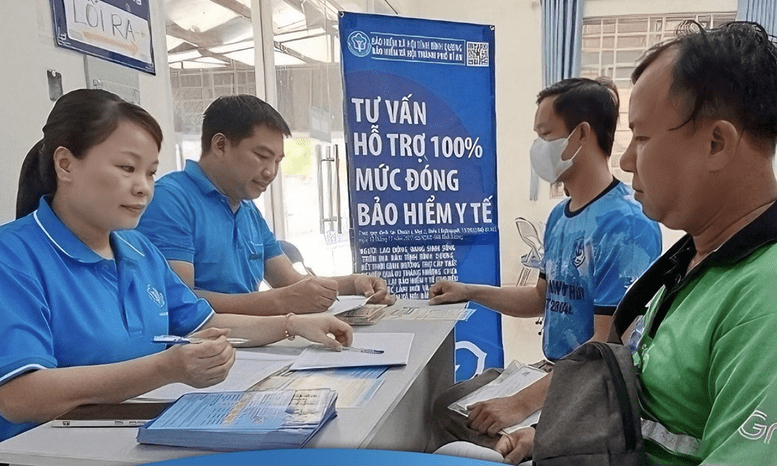
The Government has recently launched a strategic action plan to achieve universal health coverage by the end of this decade. The focus lies on restructuring financial mechanisms and expanding the list of medical services covered by the national insurance fund, shifting the priority from treatment to prevention.
Universal coverage goals According to the established timeline, Vietnam aims to increase the health insurance participation rate to over 95.5% by 2026, reaching 100% by 2030. To realize this vision, authorities will focus on enhancing the capacity of local healthcare facilities and streamlining administrative processes through digital transformation and the integration of artificial intelligence.
Expansion of medical benefits A significant shift in policy will occur starting in 2026, as the national health insurance fund begins to cover preventive services. Rather than only funding treatment for active illnesses, the fund will progressively subsidize costs for:
-
Periodic general health check-ups.
-
Early screenings for chronic and non-communicable diseases.
-
Nutritional counseling and management of long-term conditions at the community level.
Diversifying financial resources To maintain the sustainability of the fund while expanding benefits, a roadmap for adjusting insurance premiums is expected to be implemented starting in 2027. Additionally, new financial strategies are being explored, such as allocating a portion of tax revenue from health-hazardous products (including tobacco, alcohol, and sugary drinks) to reinvest in primary healthcare services.
Operational reforms in healthcare Hospital operations will undergo significant changes to alleviate overcrowding in specialized facilities. Patients with minor conditions will be directed to local clinics for treatment. Furthermore, medical institutions are encouraged to develop protocols that allow patients to be discharged on weekends and public holidays, optimizing bed turnover and efficiency.