

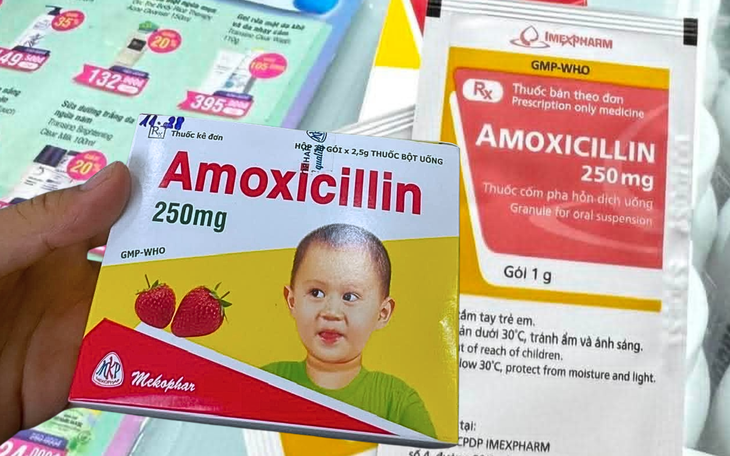
Effective mid-May 2026, a revised regulatory framework in Vietnam has doubled the administrative fines imposed on pharmacies selling prescription-only medications without a valid physician’s authorization, raising the penalty scale to between 10 million and 20 million VND. Field assessments across Ho Chi Minh City and surrounding provinces reveal a divided retail landscape: while prominent distribution networks have tightened validation protocols and rejected unauthorized requests, several independent retailers continue to bypass the law, dispensing common antibiotics such as Amoxicillin without requiring clinical documentation.
The deeply ingrained consumer habit of purchasing medications freely as standard retail goods, coupled with a lack of professional accountability among certain retail pharmacists, has escalated antibiotic resistance in the country to critical levels. Statistical indicators from the World Health Organization (WHO) place Vietnam among the countries most severely impacted by this medical challenge, estimating an annual average of approximately 70,000 fatalities linked directly to antimicrobial resistance between 2020 and 2023. Clinical experts in respiratory health and clinical microbiology emphasize that unauthorized self-medication, incomplete courses of treatment, and the widespread misconception that antibiotics can cure viral infections like the common flu are actively driving bacterial mutation.
In response to these ongoing violations, the regulatory enforcement division of the Ho Chi Minh City Department of Health has systematically penalized numerous private pharmacy businesses across the metropolitan area. Health authorities confirmed plans to accelerate the deployment of a centralized electronic prescription infrastructure linking hospitals, clinics, and retail pharmacies, with strict penalties reserved for non-compliant facilities. Medical experts conclude that addressing this systemic risk requires multi-sectoral coordination involving market surveillance and veterinary management, alongside sustained public communication strategies to reshape community perceptions regarding pharmaceutical safety.