

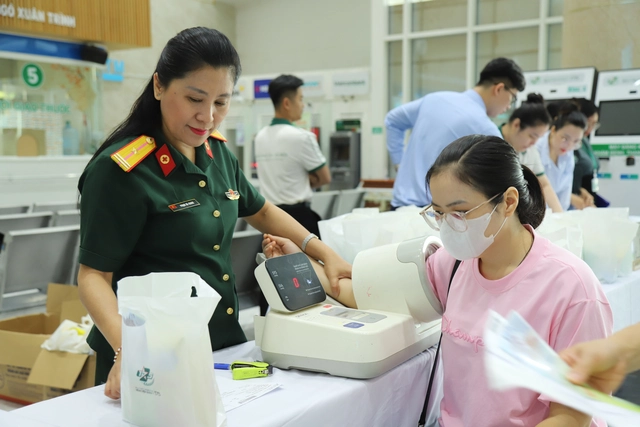
To enhance preventative medical capabilities and streamline public healthcare management for the 2026 fiscal year, the Ho Chi Minh City Department of Health has issued a strategic directive requiring all public and private general hospitals to establish dedicated, autonomous zones for routine health check-ups and medical screenings. This structural re-organization aims to gradually isolate diagnostic screenings from standard outpatient care workflows, thereby reducing institutional overcrowding and enhancing delivery efficiency. The primary objective of this transformation is to facilitate the early identification of chronic disorders, non-communicable diseases, and clinical risk markers before onset.
The metropolitan health blueprint incorporates several foundational initiatives:
-
Comprehensive Resource Mobilization: Integrating operational contributions from multi-tiered hospitals, comprehensive clinics, regional medical centers, and grassroots commune healthcare stations.
-
Specialized Expertise Deployment: Mapping personnel from specialized clinical institutions to reinforce local healthcare centers and mobile units, driving targeted screening programs in cardiology, oncology, ophthalmology, and pediatrics.
-
Diversified Access Points: Extending services beyond fixed hospital infrastructure by deploying mobile clinical teams to manufacturing plants, corporate workspaces, and academic institutions, alongside home-based monitoring for high-risk demographics and elderly citizens.
-
Clinical Data Digitalization: Consolidating all diagnostic outcomes onto a centralized data architecture, with direct synchronization to electronic health records hosted on the national VNeID digital application to ensure seamless patient retrieval.
Beyond clinical integration, regional authorities have reiterated the legal responsibilities of corporate employers and administrative entities to guarantee mandatory periodic medical assessments for their workforces. This regulatory enforcement is viewed as a critical mechanism to mitigate occupational diseases, protect labor welfare, preserve workforce sustainability, and optimize macroeconomic productivity metrics.