

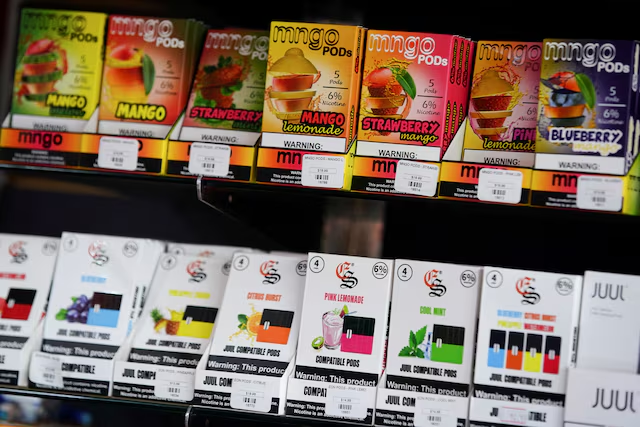
Ottawa-based e-commerce infrastructure giant Shopify Inc. is poised to ban all vaporizers and e-cigarettes (vapes) from its web hosting and digital storefront platform as early as this week. The drastic enforcement action materializes following extended negotiations active since last year with a bipartisan coalition of 25 U.S. state attorneys general, who have aggressively pressured the tech company to dismantle the digital supply chains fueling a booming unlicensed online vape marketplace.
The documented $9,000 million illicit vape market valuation, Shopify’s blanket enforcement parameters, and Mastercard’s synchronized payment gateway restrictions feature:
-
The Illicit Vape Marketplace Realities and Shopify’s Total Ban Parameters:
-
Market Dynamics: According to industrial metrics compiled by British American Tobacco (BAT), the illicit U.S. vapor product sector commands an aggregate valuation of approximately $9 billion. Unlicensed e-cigarettes, predominantly manufactured in China, are widely distributed online and via brick-and-mortar convenience networks despite federal import bans. To date, the U.S. Food and Drug Administration (FDA) has granted formal marketing orders to just 45 e-cigarette products, heavily restricted to tobacco flavors—a conservative regulatory framework that major tobacco conglomerates argue has stifled the legal market while feeding black-market demand.
-
Enforcement Scope: Within the United States jurisdiction, Shopify’s upcoming administrative ban will apply universally to all vape products, entirely irrespective of whether a specific item holds valid FDA marketing authorization. Industry insiders project the restriction will trigger a severe “chilling effect” and disrupt decentralized digital merchants. Because a minor share of licensed corporate sales (such as those by BAT or Juul) occurs through e-commerce portals, the hosting ban will disproportionately penalize illicit vape syndicates that rely heavily on digital storefront architectures. Shopify has withheld official commentary regarding the global geographic expansion of the ban outside the U.S. market.
-
-
Mastercard Payment Infrastructure Crackdowns and Financial Compliance Sanctions:
-
Financial Mandates: Intersecting Shopify’s infrastructure embargo, credit-card network leader Mastercard distributed a global compliance notice in May to its partner acquiring financial institutions. The corporate directive follows a joint warning letter issued in April by the state attorneys general demanding payment processors insulate their monetary transaction networks from facilitating unlicensed vape sales.
-
Logistical Controls: Mastercard’s regulatory mandate dictates that merchant acquirers must execute rigorous auditing controls, including systematic pre-approval evaluations of retailer inventories alongside continuous transaction and invoice monitoring protocols. Affirming a strict zero-tolerance posture toward illegal commercial activities, Mastercard confirmed it will launch formal compliance investigations, threatening to impose steep financial fines on both retail merchants and their clearing financial clearinghouses if network standard violations are identified.
-