

Key Development
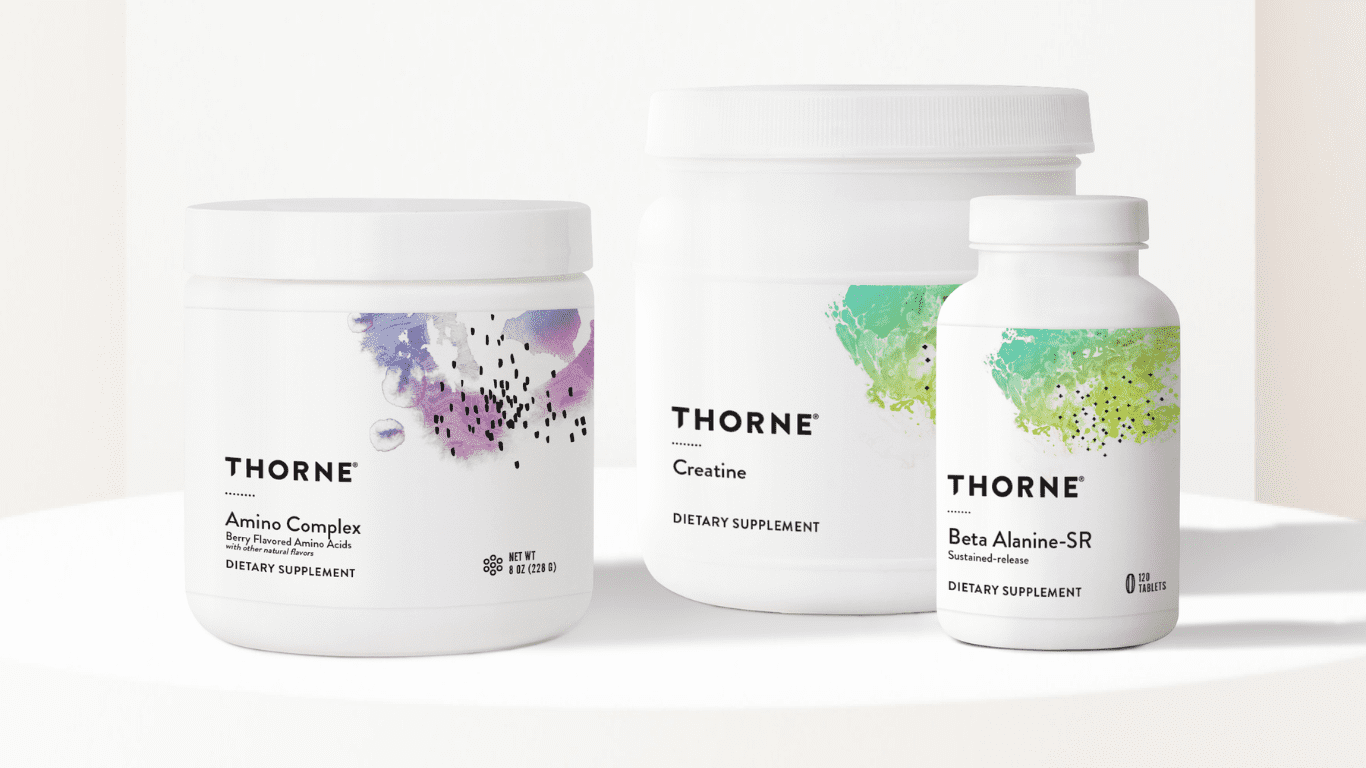
The global consumer health and wellness ecosystem has transformed into a high-stakes corporate battlefield as fast-moving consumer goods (FMCG) titan Unilever placed premium U.S. dietary supplement manufacturer, Thorne, into its strategic acquisition crosshairs. The institutional bidding process was triggered after private equity firm L Catterton (backed by luxury conglomerate LVMH) initiated a formal sale of the asset, rapidly drawing tier-one strategic interest from both Unilever and consumer health giant Haleon.
Institutional valuation indices project the transaction baseline at up to $4 billion. This target represents a historic capital crystallization multiple for L Catterton, which initially consolidated and delisted Thorne for a modest $680 million in 2023 (at $10.20 per share, which prompted Japanese trading house Mitsui to divest its entire 29.1% stake). While Unilever, Haleon, and L Catterton have maintained strict “no comment” postures regarding the bidding disclosures, financial registries confirm that the struggle to control this high-margin micronutrient brand is rapidly accelerating.
Why It Matters
-
Executing Unilever’s Portfolio Rotation: Under the strategic direction of CEO Fernando Fernandez, Unilever is aggressively shifting its corporate weight away from sluggish packaged food and home care segments, rotating capital into its high-margin Beauty & Wellbeing matrix.
-
Thorne’s High-Velocity Growth Trajectory: Established in 1984, Thorne is currently tracking toward an annualized revenue baseline of $650 million in 2026, driven by specialized micronutrient lines like high-purity Magnesium and Omega-3 formulations paired with integrated at-home testing kit ecosystems. The brand surpassed $500 million in annual revenue in 2025, sustaining a consolidated year-on-year revenue growth rate exceeding 30% under L Catterton’s tenure.
-
The Convergence of Big FMCG and Big Pharma Spin-offs: Simultaneous bids from Unilever and Haleon demonstrate that the traditional boundaries isolating consumer staples from specialized clinical wellness are eroding within the premium VMS sector.
-
Securing an Nutrition-Resilient Revenue Shield: Despite tightening global consumer discretionary spend, the clinical-grade wellness and ingestible beauty segments continue to display exceptional resilience, consistently outperforming traditional consumer staples in net margin generation.
Healthcare Insight Analysis
From the perspective of Healthcare Insight, Unilever’s willingness to deploy up to $4 billion for Thorne represents a calculated Core Growth Rotation Strategy, yet it exposes the conglomerate to formidable structural integration headwinds. Following its controversial food-division merger with McCormick—which triggered a 7% equity correction over corporate debt anxieties—Unilever is under severe institutional pressure to onboard high-margin, cash-generative vehicles to restore market confidence. Its existing wellness portfolio (comprising Liquid IV, Nutrafol, Olly, SmartyPants, and the recently integrated Grüns in April) validated this thesis by registering double-digit revenue expansions in 2025. Absorbing Thorne would immediately hand Unilever absolute dominance within the high-barrier, clinical-grade VMS tier.
However, historical integration failures cast a long shadow; the $1 billion acquisition of Dollar Shave Club (ultimately sold at a loss) and the underperforming Graze subscription framework serve as explicit warnings of the “Operational Integration Trap”. Thorne is fundamentally not a mass-market retail brand that can be seamlessly dropped into Unilever’s standard supermarket logistics grid. Thorne’s core enterprise value is inextricably linked to its scientific pedigree, rigorous clinical validation, and highly specialized direct-to-practitioner medical distribution channels alongside boutique premium cross-border networks (such as Healf in the UK market). If Unilever attempts to commoditize the brand to chase short-term volume metrics, it risks permanently degrading the premium clinical trust that defines Thorne’s identity. Conversely, Haleon—possessing deep institutional roots inherited from its Big Pharma lineage (GSK/Pfizer)—retains the precise scientific compliance mindset and clinical marketing infrastructure optimized to scale an asset of Thorne’s distinct profile.
Market Implications
-
For Global Dietary Supplement Sub-sector Valuations: L Catterton’s ability to drive Thorne’s enterprise valuation from $680 million to $4 billion in a three-year window will structurally re-rate valuation multiples across the premium VMS market. Scientifically validated nutrition platforms offering personalized approaches to health will increasingly command premium acquisition multiples from both corporate buyers and private equity firms.
-
For Unilever’s Capital Allocation Matrix: Securing Thorne will likely accelerate Unilever’s divestment of legacy, slow-growth household divisions to fund its aggressive transition into a specialized beauty and wellness conglomerate. However, managing the multi-billion-dollar leverage required for this transaction will place its corporate credit metrics under intense ratings agency scrutiny.
-
For Supply Chain Standardization and Consumer Access: The institutionalization of the premium VMS space by multi-billion-dollar aggregators will drive professionalization across the supply chain, enforcing stricter analytical testing standards and accelerating the digital presence of clinical-grade nutrition across global e-commerce and specialty pharmacy channels.
Source: https://theindustry.beauty/unilever-bid-thorne-supplements-wellness-acquisition/