

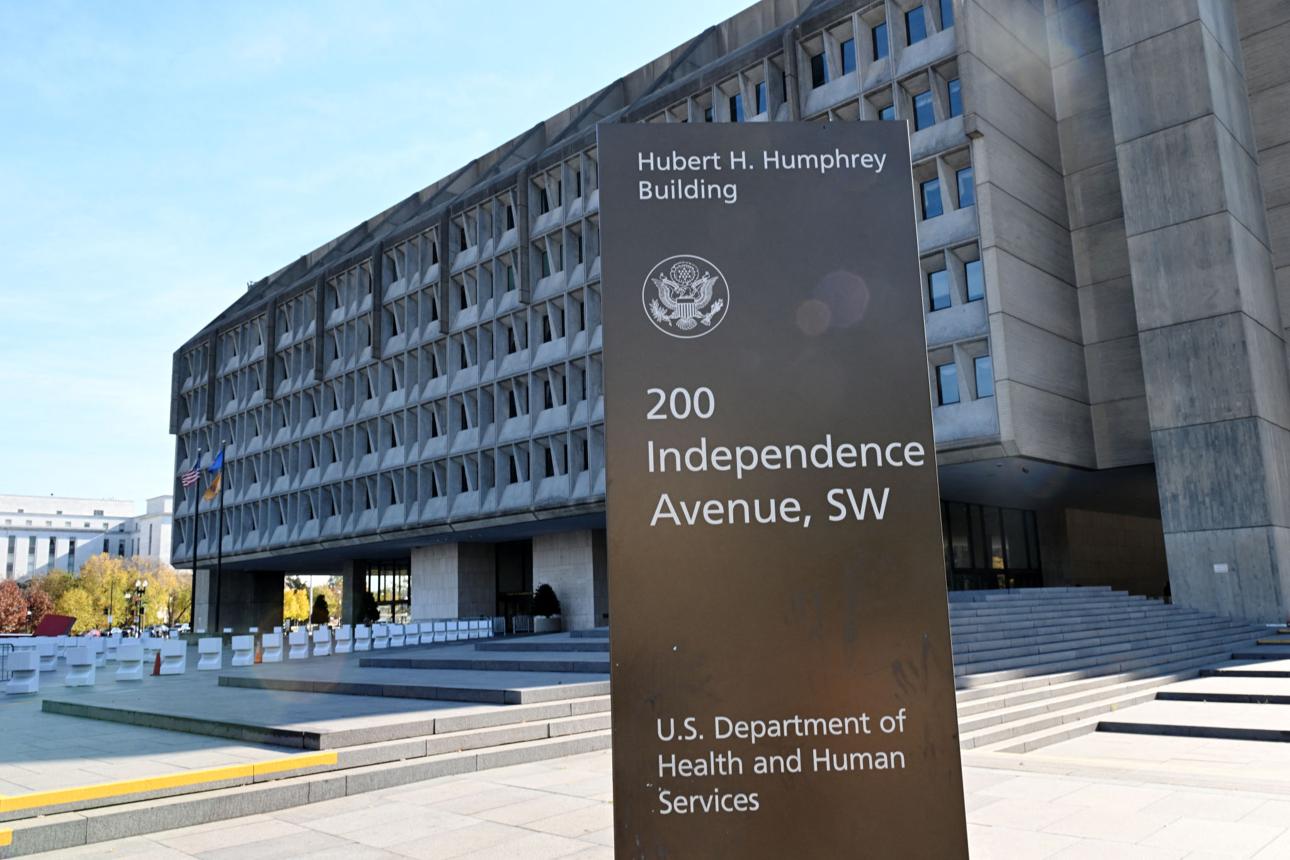
The U.S. Department of Health and Human Services Office of Inspector General (HHS-OIG) reported that its oversight activities generated an estimated US$5.56 billion in expected recoveries and projected savings during the first half of fiscal year 2026, covering the period from October 1, 2025, through March 31, 2026.
According to the agency’s semiannual report to Congress, the total includes funds expected to be recovered from investigations, audits and enforcement actions, as well as projected savings resulting from recommendations intended to improve the efficiency and integrity of federally funded healthcare programs.
The report also noted that every US$1 appropriated to HHS-OIG generated approximately US$12.70 in expected recoveries and savings, highlighting the financial impact of federal oversight activities across programs such as Medicare and Medicaid.
A changing enforcement landscape
Although the overall financial impact remained substantial, the report showed a decline in enforcement activity compared with previous reporting periods.
During the six-month period, HHS-OIG reported 604 criminal, civil and administrative enforcement actions, down from 833 cases recorded in the previous reporting cycle. The agency also excluded several performance indicators that had appeared in earlier reports, citing changes in reporting methodology.
Reuters noted that a significant share of the reported financial recoveries was associated with several high-value settlements, including a major telemedicine fraud case and agreements involving healthcare organizations participating in federal health programs.
Oversight remains central to healthcare system sustainability
The latest figures illustrate the continuing role of oversight in protecting public healthcare spending at a time when government-funded health programs face growing financial pressure.
As healthcare expenditures continue to rise, agencies responsible for auditing, investigating and monitoring federal programs are increasingly expected not only to identify fraud and abuse, but also to improve operational efficiency and strengthen accountability across the healthcare system.
The combination of financial recoveries, compliance recommendations and program evaluations has become an important mechanism for ensuring that public resources are directed toward patient care while reducing unnecessary spending.
Healthcare Insight Analysis
The HHS-OIG report highlights that the effectiveness of healthcare oversight cannot be measured solely by the number of investigations or enforcement actions.
While enforcement activity declined during the reporting period, the agency continued to report significant financial value generated through recoveries, settlements and recommendations for program improvements. This suggests that oversight agencies are placing increasing emphasis on maximizing the impact of complex investigations and systemic reviews rather than relying exclusively on the volume of enforcement cases.
For healthcare organizations, the findings reinforce the importance of compliance, internal controls and governance. As regulatory scrutiny evolves, providers, insurers and life sciences companies may face greater expectations to demonstrate transparency, strengthen risk management practices and ensure the appropriate use of public healthcare funds.
Market implications
The report reflects a broader shift in healthcare governance, where financial stewardship is becoming as important as clinical performance.
For organizations participating in government-funded healthcare programs, regulatory compliance is increasingly viewed as a strategic capability rather than simply a legal requirement. Investments in auditing, data analytics, fraud prevention and operational governance are likely to remain priorities as regulators continue focusing on safeguarding the sustainability of public healthcare systems.
More broadly, the findings underscore that effective oversight is not only about recovering misspent funds, but also about strengthening the long-term resilience and accountability of healthcare delivery.