

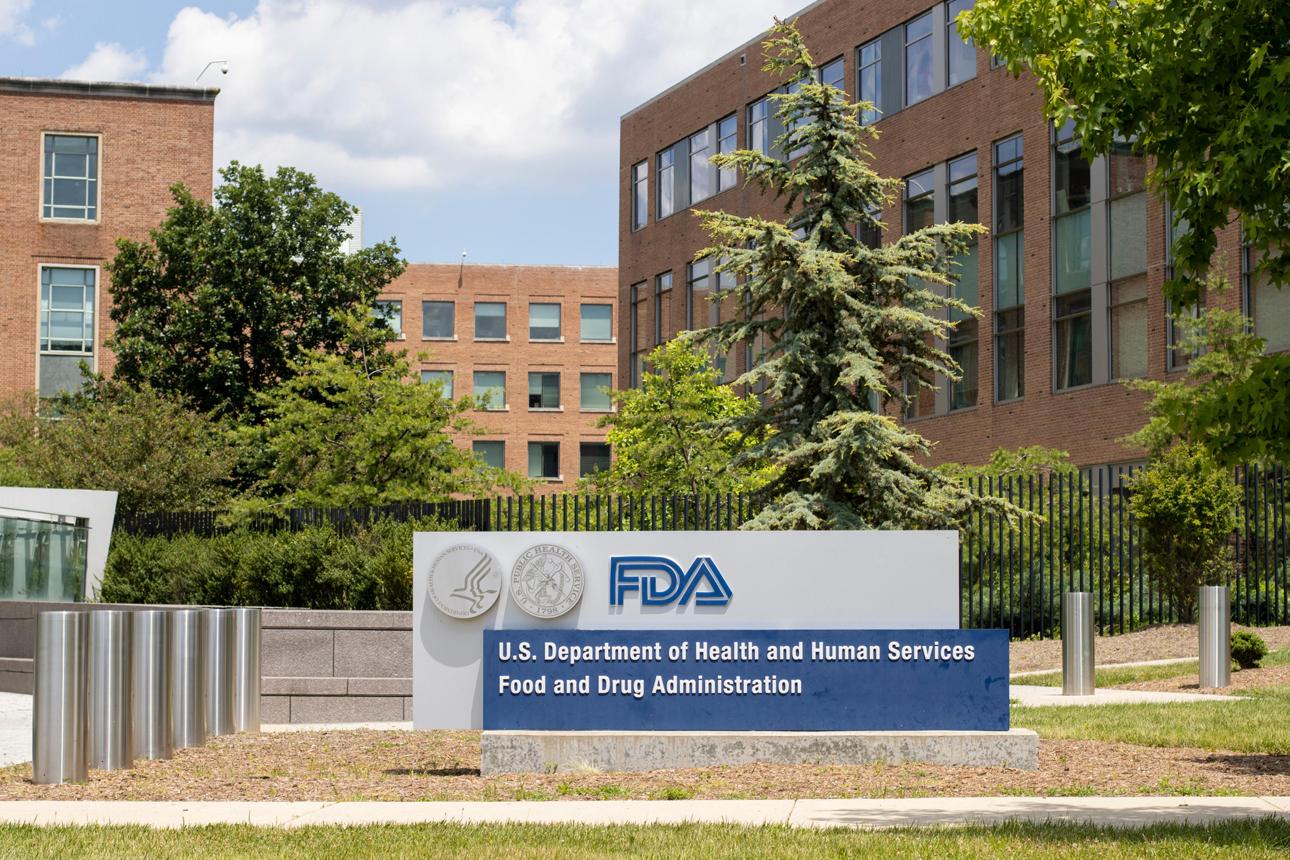
The U.S. Food and Drug Administration (FDA) has approved Revtorpyk (gedatolisib), developed by Celcuity, for certain patients with advanced or metastatic HR-positive, HER2-negative breast cancer. The approval marks the company’s transition from a clinical-stage biotech into a commercial-stage oncology company and expands treatment options in one of the largest precision oncology markets.
However, the significance of this milestone extends well beyond regulatory clearance. Across the biopharmaceutical industry, FDA approvals are increasingly viewed as commercial inflection points rather than the end of drug development. Once clinical and regulatory risks are substantially reduced, companies enter a new phase where manufacturing capacity, market access, commercialization strategy, pricing, and strategic partnerships become the primary drivers of long-term value creation.
This shift reflects broader changes in the pharmaceutical industry. Large drugmakers are placing greater emphasis on acquiring or partnering with companies that already possess clinically validated assets, allowing them to accelerate pipeline expansion while reducing development uncertainty.
Why It Matters
• FDA approval significantly increases the strategic value of innovative oncology assets.
• Commercial execution is becoming as important as scientific innovation in determining long-term success.
• Pharmaceutical companies continue expanding pipelines through licensing and acquisitions rather than relying solely on internal R&D.
• Precision oncology remains one of the industry’s fastest-growing therapeutic areas, attracting sustained investment.
• Regulatory milestones increasingly influence capital allocation, partnership opportunities, and competitive positioning.
Healthcare Insight Analysis
Celcuity’s regulatory milestone highlights a broader transformation in the economics of biotechnology. For many emerging biotech companies, scientific innovation alone is no longer sufficient to maximize value. The real challenge begins after regulatory approval, when companies must demonstrate their ability to manufacture at scale, secure reimbursement, build commercial infrastructure, and compete in increasingly crowded therapeutic markets.
This evolving environment is reshaping investment strategies across the pharmaceutical sector. Rather than assuming the risks of early-stage discovery, many global pharmaceutical companies are directing capital toward late-stage or recently approved assets that offer stronger clinical validation and clearer commercial pathways. The approach enables faster portfolio expansion while improving the probability of commercial success.
For biotechnology companies, this trend is changing how corporate strategies are designed. Regulatory approval is no longer viewed solely as a scientific achievement but as the foundation for broader strategic decisions, including commercialization partnerships, regional licensing agreements, or future acquisition opportunities.
The oncology market illustrates this transformation particularly well. As treatment becomes increasingly personalized through biomarker-driven medicine, companies with differentiated therapies and validated clinical evidence are likely to command greater strategic interest from pharmaceutical partners and investors alike.
Market Implications
• Strategic investments are expected to increasingly favor commercially validated biotechnology assets.
• Licensing and partnership activity may continue to outpace traditional internal drug development strategies.
• Commercial capabilities will become a more important differentiator for emerging biotech companies.
• Precision oncology is expected to remain one of the most active sectors for investment and strategic transactions.
• Investors are likely to place greater emphasis on companies that combine strong clinical evidence with clear commercialization potential.