

Key Development
Leadership transitions within major public health agencies rarely attract widespread attention. However, the nomination process for the next Director of the U.S. Centers for Disease Control and Prevention (CDC) has become a focal point for a broader discussion about the relationship between science, public policy, and political leadership.
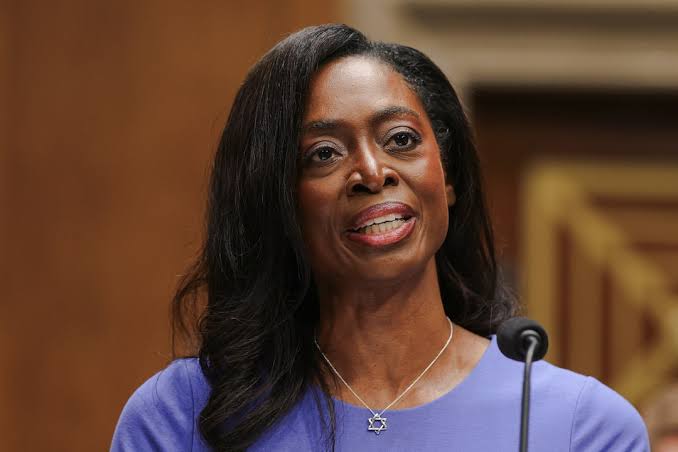
During a Senate confirmation hearing, lawmakers questioned the nominee on how future CDC decisions would be guided when scientific evidence and political priorities do not fully align. Discussions also touched on vaccine policy, emergency preparedness, and the agency’s role in responding to evolving infectious disease threats.
The hearing takes place at a time when the CDC is facing multiple pressures simultaneously—from rebuilding public trust after the COVID-19 pandemic to strengthening preparedness for future outbreaks and adapting to organizational changes across the U.S. public health system.
Why It Matters
- Leadership decisions at national public health agencies influence healthcare policy well beyond domestic borders.
- Confidence in scientific institutions remains a key factor affecting vaccination programs, disease surveillance, and emergency response.
- Regulatory consistency is increasingly important for pharmaceutical innovation and long-term healthcare investment.
- The hearing reflects growing global attention to governance and transparency in healthcare decision-making.
- Public health leadership has become an important strategic issue for governments navigating increasingly complex health risks.
Healthcare Insight Analysis
The significance of this confirmation process extends beyond selecting a single agency leader. It reflects how healthcare governance has become a strategic pillar of national resilience.
For global healthcare stakeholders, institutional credibility is increasingly viewed as a competitive advantage. Strong public health agencies not only coordinate responses to disease outbreaks but also influence research priorities, regulatory collaboration, vaccination strategies, and international health partnerships.
The pharmaceutical industry closely monitors leadership changes within agencies such as the CDC because policy direction can shape vaccine recommendations, surveillance priorities, and preparedness initiatives. Even when regulatory authority rests with other agencies, the CDC plays an influential role in generating scientific guidance that affects healthcare providers, policymakers, and public confidence.
The hearing also illustrates a broader trend emerging across many countries: scientific institutions are expected to balance technical expertise with increasing political and public scrutiny. As governments invest more heavily in pandemic preparedness and health security, maintaining transparent, evidence-based decision-making is becoming as important as expanding healthcare infrastructure itself.
From an investment perspective, governance has become an increasingly relevant component of healthcare risk assessment. Stable leadership, predictable public health policies, and institutional independence contribute to a more favorable environment for innovation, clinical research, and long-term capital allocation.
Market Implications
While the confirmation hearing does not immediately alter healthcare regulations, it highlights the growing importance of leadership stability within public health institutions. Companies operating in vaccines, diagnostics, infectious diseases, and public health technologies will continue monitoring policy signals that could influence research priorities and future funding.
More broadly, the event reinforces that governance, scientific credibility, and public trust are becoming strategic assets that shape healthcare ecosystems alongside innovation and medical breakthroughs.