
Key Development
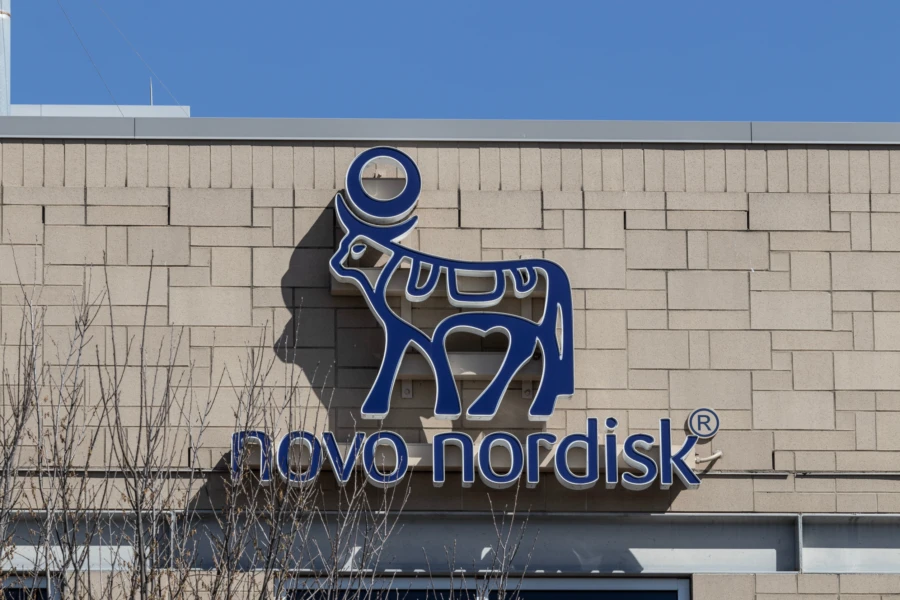
Competition in the obesity and diabetes market has entered a new phase where legal strategy is becoming as important as scientific innovation. Novo Nordisk has initiated legal action against Eli Lilly in the United States, alleging that certain promotional claims related to compounded GLP-1 medicines misrepresent the regulatory status and quality differences between FDA-approved medicines and compounded alternatives. While both companies remain dominant innovators in metabolic disease, the dispute highlights how commercial messaging has become increasingly consequential as demand for GLP-1 therapies continues to outpace supply in parts of the market.
The lawsuit emerges during a period of rapid normalization within the GLP-1 ecosystem. Over the past several years, shortages of branded obesity medicines created unprecedented opportunities for compounding pharmacies and telehealth providers. As manufacturing capacity gradually improves and regulators tighten oversight of compounded versions, pharmaceutical companies are shifting their focus from supply expansion toward protecting brand integrity, physician confidence, and long-term market positioning.
Rather than representing an isolated legal disagreement, the case reflects broader structural changes in one of the pharmaceutical industry’s fastest-growing therapeutic categories. Marketing claims, regulatory interpretation, and public trust are increasingly becoming competitive assets alongside clinical efficacy and manufacturing scale.
Why It Matters
- The dispute illustrates how competition in the GLP-1 market is evolving beyond clinical performance into legal, regulatory, and reputational arenas.
- Pharmaceutical companies are placing greater emphasis on protecting the distinction between FDA-approved products and compounded alternatives as supply conditions improve.
- Regulatory scrutiny surrounding healthcare advertising may become more stringent as obesity therapies generate record commercial revenues.
- Healthcare providers may face increasing pressure to evaluate promotional claims more critically when selecting treatment options.
- Investors should recognize that future competitive advantage may depend not only on innovation pipelines but also on regulatory credibility and commercial execution.
Healthcare Insight Analysis
The GLP-1 revolution has transformed obesity treatment into one of the world’s largest pharmaceutical markets, but commercialization now presents challenges that differ significantly from those seen during product launches. During periods of constrained supply, compounded medicines filled an important access gap for many patients. However, as branded manufacturers restore production capacity, preserving confidence in approved medicines becomes strategically critical.
The legal action underscores a broader transition from expansion to market defense. Pharmaceutical leaders are increasingly investing in intellectual property protection, scientific communication, regulatory engagement, and litigation to reinforce competitive positioning. In this environment, commercial messaging itself has become a strategic asset capable of influencing prescribing behavior, payer decisions, and public perception.
This development also reflects a wider healthcare trend in which competition extends beyond research laboratories. Companies now compete across manufacturing resilience, regulatory compliance, digital patient engagement, physician education, and legal strategy. As blockbuster therapies mature, reputational leadership may become as valuable as therapeutic differentiation.
For healthcare systems, the dispute highlights the growing importance of maintaining clear distinctions between approved medicines and compounded products while ensuring patient access remains a central priority. The balance between innovation, affordability, and regulatory oversight will continue shaping the evolution of metabolic care.
Market Implications
The lawsuit may encourage more conservative marketing practices throughout the pharmaceutical industry, particularly in high-growth therapeutic categories where regulatory scrutiny is intensifying.
Manufacturers are likely to increase investment in compliance, medical affairs, and evidence-based communication to reduce litigation risk while strengthening stakeholder trust.
For investors, the case reinforces that competitive dynamics within obesity therapeutics will increasingly be determined by ecosystem capabilities including manufacturing reliability, regulatory strategy, legal preparedness, and commercial credibility rather than clinical data alone.
As the GLP-1 market continues expanding globally, legal disputes over advertising and product positioning may become a recurring feature of competition, establishing new precedents for pharmaceutical promotion in rapidly evolving therapeutic markets.