

Key Development
A new report from UNAIDS warns that the global response to HIV is entering a critical phase after funding for HIV programmes fell by 18% in 2025 to US$7.3 billion, the lowest level recorded in nearly two decades. The decline follows major disruptions in international development financing, with prevention, community-based services, and access programmes experiencing the deepest cuts.
Although increased domestic investment helped cushion part of the funding shortfall, many low- and middle-income countries were unable to compensate for the loss of international support. Several countries in sub-Saharan Africa reported reductions of more than 50% in access to HIV prevention services such as pre-exposure prophylaxis (PrEP), raising concerns that years of progress could quickly be reversed.
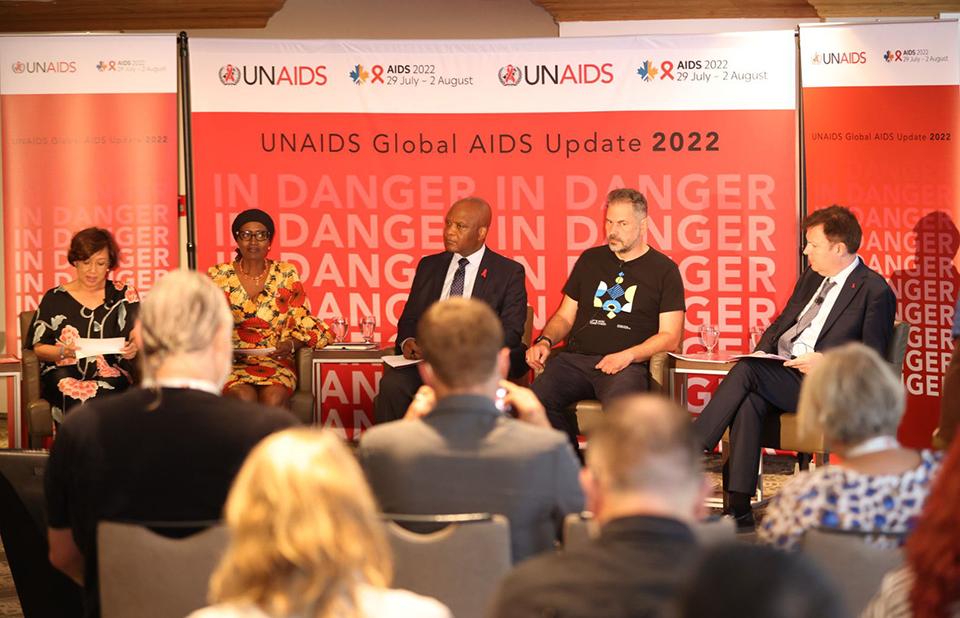
UNAIDS cautions that weakening financial support threatens the global ambition of ending AIDS as a public health threat by 2030. The report was released during the International AIDS Conference in Brazil, where global health leaders called for renewed international commitment to HIV financing and prevention.
Why It Matters
- HIV financing is becoming a strategic global health security issue rather than solely a humanitarian concern.
- Prevention programmes are often the first to be reduced despite generating the greatest long-term public health impact.
- Funding instability could increase future healthcare costs through rising infections and treatment demand.
- Low-income countries remain highly dependent on international partnerships to sustain HIV programmes.
- The funding gap highlights the need for more resilient and diversified healthcare financing models.
Healthcare Insight Analysis
From Healthcare Insight’s perspective, the latest UNAIDS findings represent more than a warning about shrinking budgets. They expose a structural vulnerability within the global HIV ecosystem, where decades of progress remain heavily dependent on external financial support.
The HIV response has long been regarded as one of global health’s greatest success stories, transforming a once-fatal disease into a manageable chronic condition through sustained investment in testing, treatment, prevention, and community engagement. However, this success was built upon continuous international collaboration. When funding weakens, prevention services are often disrupted first, creating conditions for new infections that ultimately increase future treatment costs and strain already fragile healthcare systems.
The report also reflects a broader transition in global health financing. Governments are increasingly balancing domestic economic pressures, geopolitical priorities, and competing public health challenges. As donor funding becomes less predictable, countries will need to strengthen domestic financing mechanisms while expanding partnerships with multilateral organisations, philanthropic foundations, and the private sector.
For healthcare leaders, the implications extend beyond HIV. The current funding environment demonstrates that sustainable disease control depends not only on scientific innovation but also on resilient financing models. Vaccines, diagnostics, and breakthrough therapies cannot achieve population-level impact if delivery systems and community programmes lack stable financial support.
Ultimately, the report serves as a reminder that public health gains are not permanent. Without sustained investment, diseases once considered under control can rapidly re-emerge, undermining decades of clinical progress and increasing long-term economic and healthcare burdens.
Market Implications
The funding decline is likely to accelerate discussions around sustainable healthcare financing, outcome-based funding models, and greater private-sector participation in global health programmes. Organisations involved in HIV diagnostics, long-acting therapies, digital health, and community-based care may face shifting procurement priorities as governments seek more cost-effective and scalable interventions.
For policymakers and investors, the report reinforces that healthcare resilience depends as much on financing capacity as on scientific innovation. Long-term investment in prevention remains one of the most cost-effective strategies for protecting both public health and healthcare system sustainability.