

Key Development
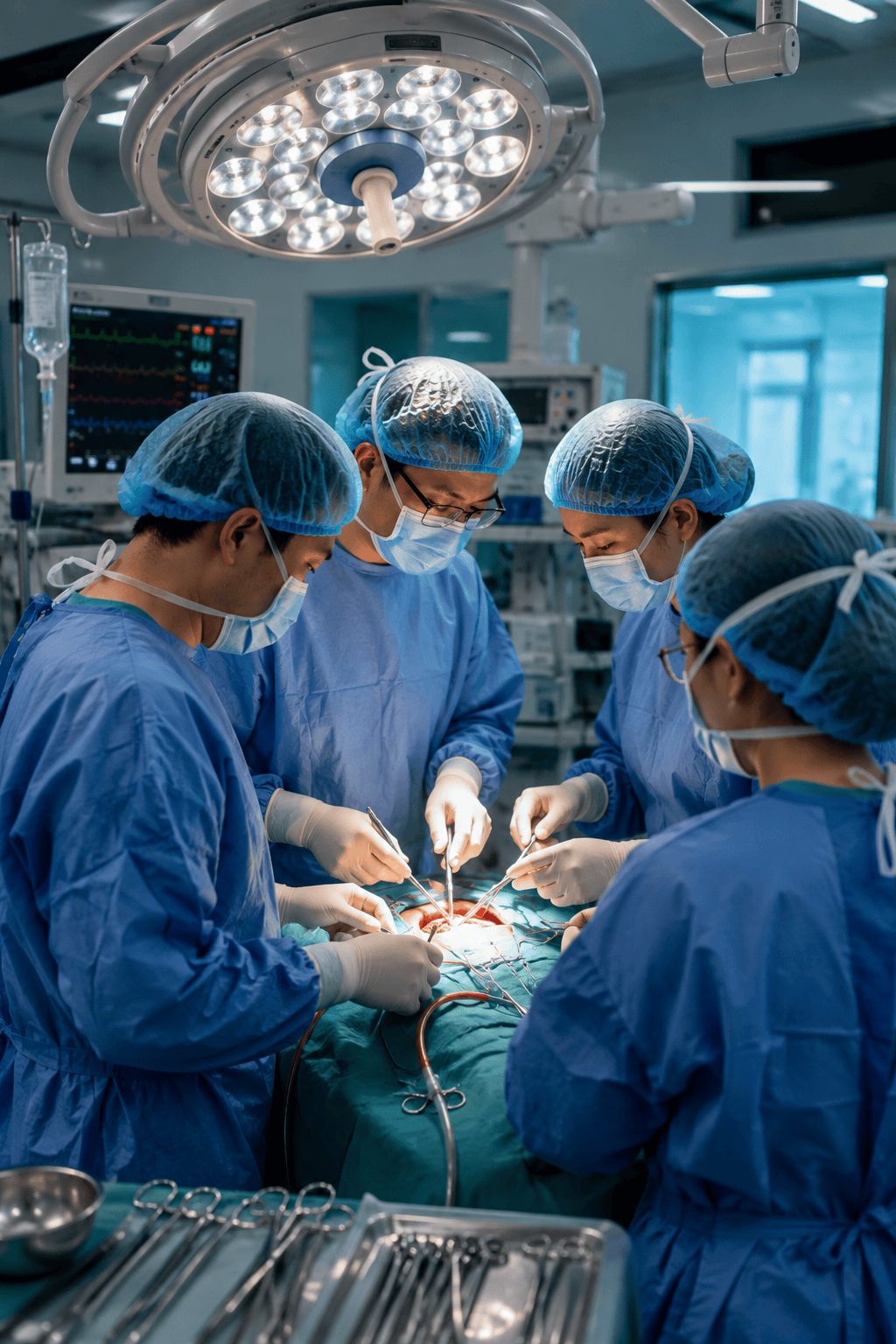
Nghe An General Friendship Hospital’s successful implementation of advanced esophageal cancer surgery represents more than a clinical achievement. It reflects the accelerating expansion of highly specialised surgical capabilities beyond Vietnam’s traditional tertiary referral centres.
Esophageal cancer surgery is among the most demanding procedures in gastrointestinal oncology, requiring multidisciplinary expertise, sophisticated perioperative care and well established postoperative management. The ability of a provincial hospital to perform these operations demonstrates the growing maturity of regional healthcare infrastructure.
More importantly, this milestone strengthens patient access to complex oncology services closer to home, reducing referral delays and enabling earlier intervention for a disease in which timely treatment can significantly influence survival outcomes.
Why It Matters
- Accelerates the decentralisation of specialised cancer care across Vietnam.
- Reduces capacity pressure on national referral hospitals.
- Expands equitable access to advanced oncology treatment outside major cities.
- Encourages greater investment in surgical technologies, critical care and specialist workforce development.
- Supports the emergence of regional oncology centres with stronger clinical capabilities.
Healthcare Insight Analysis
Vietnam’s healthcare system is entering a new phase where clinical excellence is no longer confined to a handful of metropolitan hospitals. Investments in infrastructure, physician training and technology transfer are enabling provincial institutions to perform increasingly sophisticated procedures that were previously available only in major urban centres.
This transition has significant implications for healthcare delivery. Rather than concentrating patient volumes in overloaded tertiary hospitals, advanced care can be distributed across regional networks, improving system efficiency while enhancing patient experience.
For hospitals, advanced surgical capability is becoming a strategic differentiator. Institutions capable of delivering complex oncology services can strengthen their reputation, attract highly skilled clinicians and expand multidisciplinary treatment programmes that integrate surgery, medical oncology, pathology, imaging and rehabilitation.
Looking ahead, continued decentralisation will likely be supported by digital health, tele mentoring and structured clinical collaboration between national referral centres and provincial hospitals. Together, these developments will help build a more resilient and balanced healthcare ecosystem capable of meeting Vietnam’s growing cancer burden.
Market Implications
The expansion of advanced surgical services at provincial hospitals is expected to stimulate demand for minimally invasive surgical platforms, energy based devices, anaesthesia and critical care equipment, advanced imaging technologies and specialised surgical consumables.
The trend also creates new opportunities for medical technology companies, healthcare investors, professional training providers and digital health solution developers. As regional centres continue to strengthen their capabilities, Vietnam’s healthcare market is likely to experience broader infrastructure investment and more balanced long term growth across the country.