

Key Development
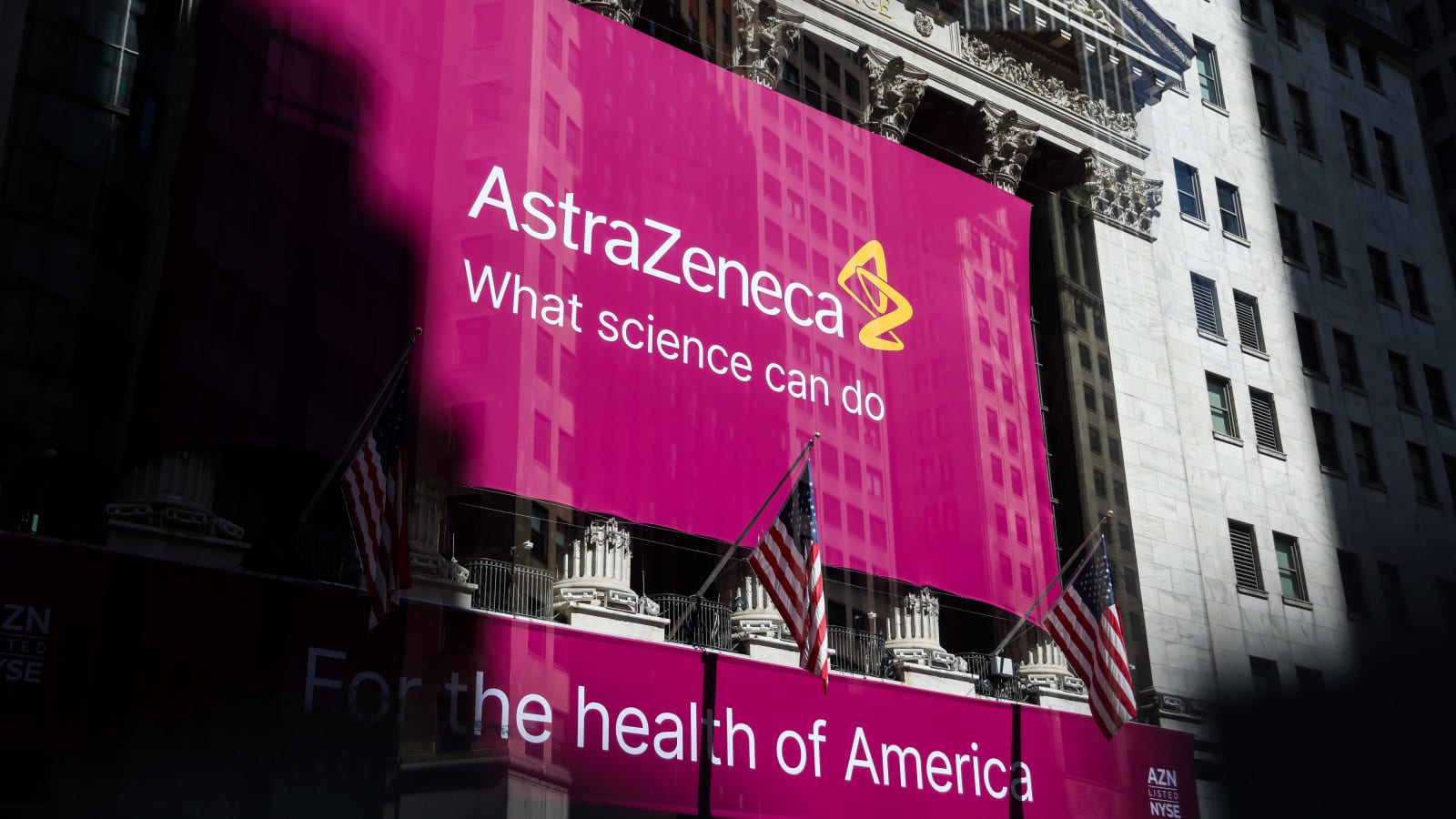
British pharmaceutical major AstraZeneca (AZN) and U.S. oncology leader Bristol Myers Squibb (BMY) are reported to be in early-stage merger discussions regarding a historic corporate consolidation. If finalized, the combined enterprise would command a market valuation approaching $400 billion (£300 billion), creating the world’s fourth-largest pharmaceutical entity by market capitalization and marking the largest M&A transaction in biopharma history.
The preliminary discussions, led by AstraZeneca CEO Pascal Soriot, have developed over recent months. However, financial sources emphasize that no formal structure (likely requiring a combination of cash and stock consideration) has been finalized, and discussions remain subject to delays, structural modifications, or complete termination due to regulatory hurdles.
Why It Matters
-
Mitigating Impending Patent Cliffs: Bristol Myers Squibb faces structural top-line compression as primary loss-of-exclusivity (LOE) events loom over key legacy blockbusters, including Revlimid, Eliquis, and Opdivo. Combining with AstraZeneca offers BMY an immediate R&D hedge backed by a high-velocity global commercial infrastructure.
-
Creating an Unassailable Oncology Powerhouse: Both organizations prioritize oncology as their core commercial engine. Merging BMY’s immuno-oncology blockbusters (Opdivo, Yervoy) with AstraZeneca’s targeted therapies and next-gen ADCs (Tagrisso, Enhertu, Imfinzi) establishes the broadest cancer treatment portfolio in the life sciences sector.
-
Amplifying Global Commercial & Clinical Leverage: The combined entity would command immense bargaining power in multi-center clinical trials, global supply chain procurement, and health-system pricing negotiations.
-
Equity Market Divergence: Following the transaction leaks, AstraZeneca shares on the LSE contracted over 7% due to equity dilution concerns and integration friction, while BMY shares expanded 3.5% in pre-market New York trading.
Healthcare Insight Analysis
From the perspective of Healthcare Insight, the potential $400 billion consolidation between AstraZeneca and Bristol Myers Squibb represents a bold Scale-Driven Portfolio Defense strategy that faces significant skepticism across institutional capital markets.
Conceptually, the transaction addresses core strategic imperatives for both drugmakers:
-
For BMY: The merger provides a vital R&D hedge against projected earnings declines over the next three years while leveraging AstraZeneca’s extensive commercial footprint across European and Asian markets.
-
For AstraZeneca: The deal accelerates AstraZeneca’s strategic expansion in the U.S. market (where it recently committed $50 billion toward R&D and manufacturing), bolstering its long-term corporate target of achieving $80 billion in annual revenue by 2030.
However, the primary execution risk centers on Antitrust & Regulatory Scrutiny. The substantial portfolio overlap within immuno-oncology (notably BMY’s Opdivo competing directly against AstraZeneca’s Imfinzi) will draw rigorous examination from the U.S. Federal Trade Commission (FTC) and European regulators. Securing regulatory clearance would likely require forced divestments of key commercial oncology assets, potentially diluting anticipated deal synergies. Furthermore, managing the integration of two massive corporate structures risks diverting executive focus from core clinical pipeline execution through 2028.
Market Implications
-
Restructuring the Global Biopharma M&A Matrix: The emergence of a $400 billion industry giant would compel direct competitors—including Merck & Co., Pfizer, Roche, and Novartis—to re-evaluate their M&A strategies, accelerating late-stage biotech acquisitions to protect global market share.
-
Opportunities from Forced Asset Divestments: Antitrust mandates requiring the disposal of overlapping cancer therapies will create acquisition opportunities for mid-tier pharma companies seeking validated, late-stage oncology assets.
-
Re-Aligning Upstream R&D Capital Allocations: Integrating research pipelines will trigger audits to eliminate redundant programs, shifting capital toward next-generation biological platforms (such as ADCs, bispecific antibodies, and cell therapies).
Valuation & Portfolio Comparison: AstraZeneca vs. Bristol Myers Squibb
| Metric / Asset Profile | AstraZeneca PLC (AZN) | Bristol Myers Squibb (BMY) | Combined Entity Projection |
| Market Capitalization | ~$264 Billion (£196 Billion) | ~$133 Billion | ~$400 Billion (4th largest globally) |
| Core Oncology Anchors | Tagrisso, Enhertu, Imfinzi, Calquence | Opdivo, Yervoy, Abecma, Breyanzi | Broadest oncology portfolio in biopharma |
| Primary Execution Risks | Equity dilution & integration complexity | Imminent loss of exclusivity (LOE) | Severe antitrust & regulatory hurdles (FTC) |
| Strategic Rationale | Expand U.S. footprint; $80B revenue goal | Hedge patent cliffs; expand global reach | Scale efficiency; operational cost synergies |
Source: https://uk.finance.yahoo.com/news/astrazeneca-shares-drop-report-potential-073221501.html