

Key Development
When a cancer hospital operates radiotherapy equipment from 5 a.m. until 11 p.m. yet patients still wait weeks to begin treatment, the constraint is no longer simply operating hours. It is the productive capacity of the entire treatment system.
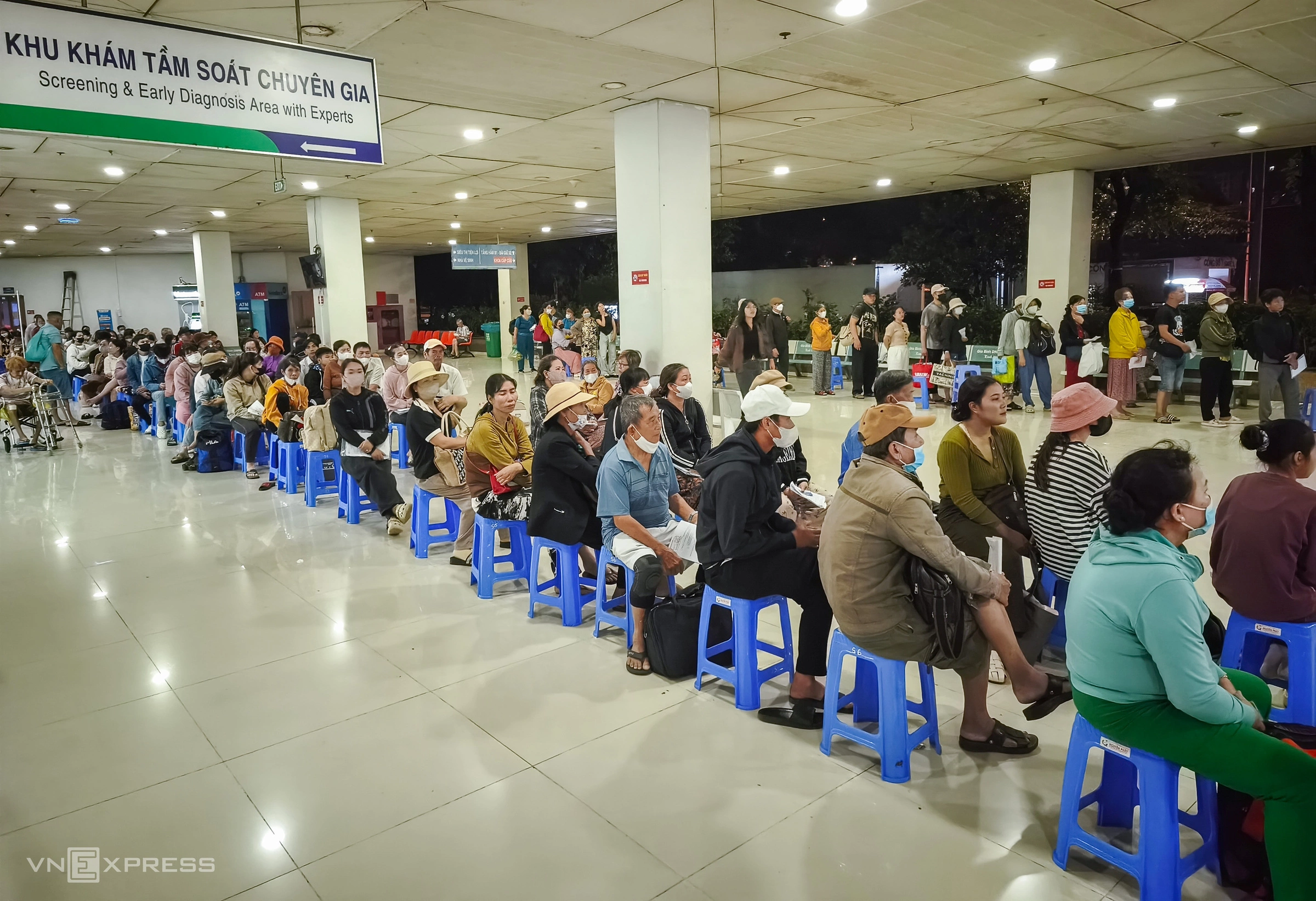
According to VnExpress on October 7, 2026, Ho Chi Minh City Oncology Hospital operates 10 radiotherapy machines across three daily shifts, delivering approximately 700 treatment sessions per day. Nevertheless, roughly 800–1,000 patients remain on its waiting list, with average waits of four to six weeks before treatment begins.
The hospital has introduced operational measures, including grouping patients with similar treatment requirements and using shorter radiotherapy regimens when clinically appropriate. Ho Chi Minh City has also outlined more than VND5 trillion in oncology infrastructure and equipment investment for 2026–2030.
Why It Matters
- Radiotherapy capacity directly determines treatment access. Delays can have different clinical consequences depending on tumor type, disease stage and treatment intent.
- Longer operating hours do not guarantee optimal throughput. Planning, quality assurance, workforce availability and equipment changeovers all constrain output.
- Patient costs extend beyond medical bills. Travel, accommodation, lost income and repeated hospital visits increase financial burden.
- More equipment at one center does not necessarily improve regional access. Capacity distribution and referral coordination are equally important.
Healthcare Insight Analysis
Healthcare Insight believes the central concept is effective radiotherapy capacity.
A hospital’s capacity is not simply the number of linear accelerators it owns.
It depends on operating hours, treatment time per fraction, planning efficiency, qualified personnel, quality assurance and equipment availability.
HCMC Oncology Hospital already operates at considerable intensity. Once machines are running close to 18 hours daily, extending the schedule further offers limited sustainable headroom.
The strategy must therefore shift from working longer to improving productivity and distributing capacity more effectively.
Three opportunities deserve attention.
First, reduce bottlenecks before treatment begins.
CT simulation, target contouring, dose planning and quality assurance can delay treatment even when machine slots are theoretically available.
Appropriate automation, coordinated scheduling and standardized planning workflows may shorten preparation time without compromising clinical safeguards.
Second, increase capacity through evidence-based treatment design.
Hypofractionated radiotherapy can reduce the number of sessions required for selected cancer indications while maintaining appropriate clinical outcomes.
However, shorter regimens cannot be applied universally simply to increase patient throughput.
Third, redesign regional treatment distribution.
Patients requiring standard radiotherapy could potentially receive care at qualified regional facilities, while tertiary hospitals retain responsibility for technically complex cases.
This creates a transition from hospital-centric capacity to network-based oncology capacity.
Vietnam’s national situation reinforces the urgency.
Recent reporting estimates approximately 84 linear accelerators nationwide, against a substantial annual cancer burden. Although the equipment figure is approximate and does not represent a real-time operational inventory, it illustrates the scale of the capacity challenge.
The next investment cycle should therefore focus on more than purchasing new machines.
A fully functioning radiotherapy service requires specialized staff, treatment-planning systems, maintenance contracts, reliable quality assurance and coordinated patient scheduling.
WHO and IAEA guidance emphasizes precisely this principle: sustainable radiotherapy depends on maintaining operational capability throughout the equipment lifecycle, not merely completing procurement.
The distinction becomes especially important as Ho Chi Minh City considers further advanced infrastructure, including proton therapy.
Proton technology may offer clinical advantages for selected indications, but building a proton center should not be confused with immediately resolving the high-volume demand for conventional radiotherapy.
These are related but different capacity problems.
Market Implications
Hospitals: waiting-list governance, clinical prioritization, equipment utilization and referral coordination will become increasingly important.
Medtech companies: opportunities extend beyond linear accelerator sales into maintenance, planning software, automation and quality assurance.
Healthcare IT: scheduling platforms and oncology information systems could help reduce workflow bottlenecks and improve capacity visibility.
Investors and policymakers: investment performance should be assessed through additional usable treatment capacity, equipment availability and reduced delays.
ANALYTICAL MATRIX
| Dimension | Current Challenge | Strategic Response | KPI |
| Equipment | High utilization | Add reliable capacity | Machine uptime |
| Operations | Three daily shifts | Workflow optimization | Sessions per machine |
| Access | 4–6-week wait | Clinical prioritization | Time-to-treatment |
| Network | Tertiary concentration | Regional treatment pathways | Referral completion |
| Investment | Infrastructure expansion | Lifecycle management | Cost per treatment |
A new radiotherapy machine only creates meaningful capacity when trained personnel, reliable infrastructure, safe workflows and accessible patient pathways are available alongside it.
The success of Vietnam’s next oncology investment cycle should therefore not be measured primarily by equipment installations.
It should be measured by how many weeks of waiting are eliminated, how many patients receive timely treatment and how much dependable clinical capacity is added to the healthcare system.