

Key Development
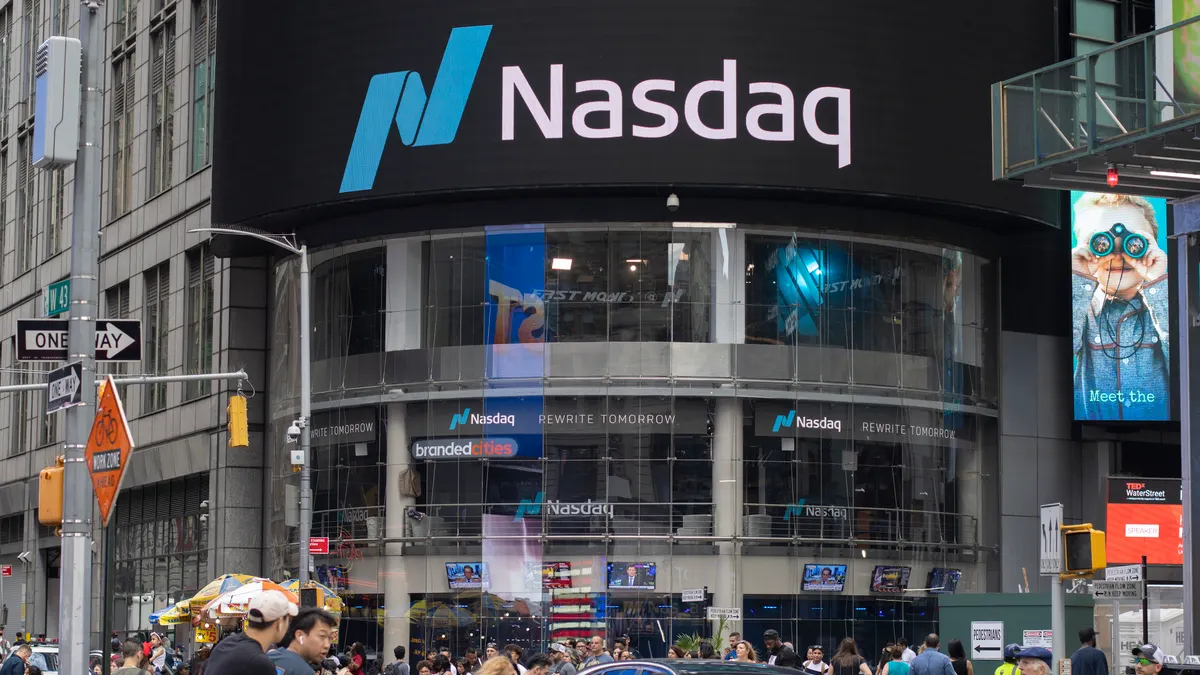
City Therapeutics has raised approximately US200millioninanupsizedinitialpublicoffering,pricing11.1millionsharesatUS18 each and listing on Nasdaq under the ticker CTY. Beyond the fundraising, the strategic significance is the renewed willingness of public-market investors to finance next-generation RNA interference (RNAi) platforms before their leading products have demonstrated late-stage clinical success.
Co-founded by former Alnylam CEO John Maraganore, City is developing RNAi therapeutics targeting thromboembolic disorders, retinal diseases and anemia. Its lead candidate, CITY-FXI, has demonstrated up to 85% reduction in Factor XI levels in Phase 1 testing, with a Phase 2 study planned for 2027.
The IPO will support three lead programs and the company’s broader technology platform, including research into RNAi delivery beyond the liver. City previously raised approximately US$239 million in venture capital and has established partnerships with Bausch + Lomb and Biogen.
Why It Matters
- The US$200 million IPO suggests selective investor appetite for clinical-stage biotechnology, despite substantial development risk.
- RNAi is expanding beyond rare diseases, with emerging programs addressing larger chronic-disease populations.
- Extrahepatic delivery could unlock significant new markets, if developers overcome tissue-specific delivery barriers.
- A multi-asset pipeline creates strategic optionality, but also increases capital-allocation complexity.
- Early biomarker improvements must translate into clinical outcomes before therapeutic and commercial value can be established.
Healthcare Insight Analysis
Healthcare Insight believes City’s IPO represents more than a successful capital raise.
The next phase of RNAi competition may be defined by which companies can expand the technology’s clinical reach without losing the precision and durability that made gene silencing commercially attractive.
RNAi has already established a pharmaceutical market.
But the technology’s existing commercial applications have concentrated heavily on liver-directed targets.
This creates a strategic limitation.
The ability to silence a disease-related gene does not necessarily mean a drug can reach the tissue where that gene needs to be suppressed.
The next development challenge therefore moves beyond molecular potency.
Target selection → RNAi trigger design → tissue delivery → durable gene silencing → clinical benefit.
Each stage presents distinct scientific and commercial risks.
City’s pipeline illustrates two parallel strategies.
The first extends established liver-directed RNAi approaches into new clinical indications.
CITY-FXI targets Factor XI, a protein involved in coagulation. Suppressing it could offer an alternative strategy for preventing thrombosis while potentially limiting bleeding risk.
However, an 85% reduction in Factor XI is a pharmacodynamic signal, not proof that the drug prevents strokes or blood clots safely.
Clinical outcomes, bleeding events and comparative effectiveness will determine its value.
CITY-RBP4 and CITY-TFR2 provide additional development opportunities in retinal disease and anemia, respectively.
The second strategy is more ambitious: expanding RNAi delivery into tissues beyond the liver.
That could enlarge the technology’s addressable market.
Yet extrahepatic delivery remains difficult because treatments must reach the right cells, enter them efficiently and maintain acceptable safety.
Better gene silencing is valuable. Reliable delivery to previously inaccessible tissues could be transformative.
The IPO’s capital structure creates another important consideration.
City has identified approximately US30millionforCITY-FXI,US20 million for CITY-RBP4, US40millionforCITY-TFR2andUS70 million for broader platform development, with remaining funds available for general purposes.
This suggests a deliberate balance between near-term clinical validation and longer-term platform innovation.
However, a diversified pipeline can dilute resources if programs encounter simultaneous development challenges.
The investment equation is therefore:
IPO proceeds → clinical milestones → stronger evidence → financing flexibility → potential commercialization.
For investors, the crucial question is not whether City can raise capital.
It is whether that capital can generate sufficient clinical evidence before additional financing becomes necessary.
Market Implications
City Therapeutics: gains financing to advance its lead pipeline while investing in longer-term RNAi platform differentiation.
Alnylam Pharmaceuticals: faces another emerging RNAi developer pursuing broader indications and new delivery capabilities, although its established franchise provides a substantial advantage.
RNAi biotech companies: may benefit from improved financing sentiment, but investors are likely to favor credible biology and measurable clinical progress.
Pharmaceutical partners: could gain access to differentiated RNAi technologies through licensing and joint development.
Biotech investors: should prioritize clinical readouts, cash runway, tissue-delivery validation and potential dilution over early share-price momentum.
ANALYTICAL MATRIX
| Dimension | Current Signal | Opportunity | Key Risk |
| IPO financing | Approximately US$200m raised | Extend development runway | Future dilution |
| Lead program | CITY-FXI Phase 1 | Thrombosis prevention | Clinical efficacy and bleeding risk |
| Pipeline breadth | Three lead programs | Multiple therapeutic markets | Capital fragmentation |
| RNAi technology | Liver-directed and extrahepatic research | Expand tissue accessibility | Delivery barriers |
| Capital markets | Upsized IPO at US$18/share | Renewed biotech financing | Market volatility |
City Therapeutics is not simply raising money to develop another generation of RNAi medicines. It is financing a broader test of how far gene-silencing technology can expand across diseases and tissues.
The IPO suggests that investors remain willing to support differentiated biotechnology platforms, but access to capital is only the beginning.
The next competitive advantage will belong to companies that translate molecular precision into reliable delivery, meaningful clinical outcomes and capital-efficient development.
The broader industry signal is clear:
RNAi is moving from proving that genes can be silenced toward proving that gene silencing can become a broadly applicable therapeutic platform.
Source: https://www.biopharmadive.com/news/city-therapeutics-ipo-price-rnai-drugs/832945/