

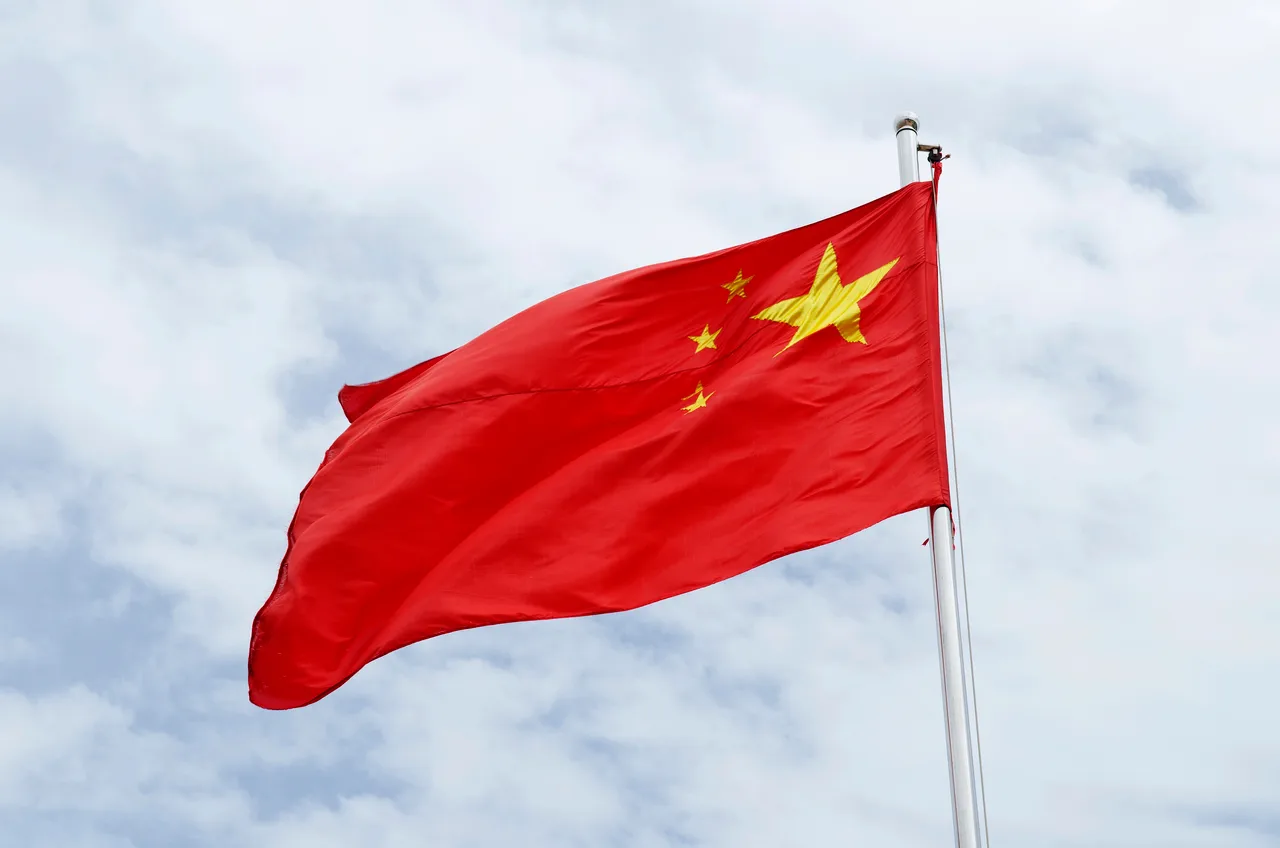
China has transitioned from having one of the world’s most sluggish drug approval systems to one of the fastest. This regulatory evolution is reshaping the landscape for global drugmakers and Contract Research Organizations (CROs), fostering a more competitive innovation ecosystem.
Key Regulatory Transformations Over the past decade, China’s National Medical Products Administration (NMPA) has implemented several landmark changes:
-
“Implied Approval” System: Launched in 2018, this system allows clinical trials to proceed if no objections are raised within a specific timeframe, replacing previous open-ended review cycles that averaged over 18 months.
-
Global Harmonization: China’s 2017 membership in the ICH has enabled domestic clinical sites to participate in large-scale international studies.
-
Foreign Data Acceptance: Since 2018, scientifically justified clinical data generated outside of China has been accepted for new drug registrations, effectively reducing the “drug lag.”
Competitive Advantages and Market Momentum Recent analysis highlights that conducting Phase I trials in China is now significantly faster and more cost-effective than in Western markets.
-
Volume Growth: In 2024, China listed over 7,100 trials on the WHO registry platform, surpassing the approximately 6,000 trials listed by the United States.
-
Inbound Interest: The rise in activity is mirrored by high-value licensing deals. In the first half of 2025 alone, U.S. pharmaceutical firms committed roughly $18.3 billion to out-licensing agreements with China-based biotech companies.
The expanded use of Investigator-Initiated Trials (IITs) at major medical institutions is further accelerating the generation of early safety and efficacy data, positioning China as a formidable hub for global clinical development.