

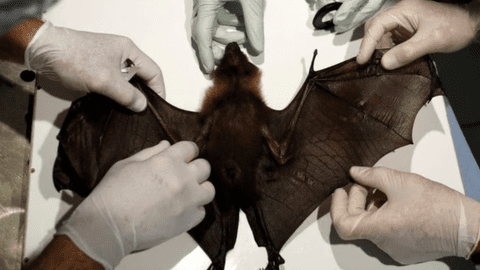
In response to reports of Nipah outbreaks in India, medical experts have provided in-depth analyses to correct misunderstandings regarding the nature and pandemic potential of this virus.
1. Nipah is not a new pathogen
According to medical literature, the Nipah virus was first identified in 1999 (in Malaysia) and has been included in epidemiological surveillance records for over two decades. The occasional public anxiety surrounding Nipah is primarily due to its high virulence and fatality rate, rather than it being a newly emerging virus.
2. Low community transmission potential
Unlike COVID-19 or influenza, the Nipah virus does not spread easily.
-
Transmission mechanism: Infection only occurs through direct, close, and prolonged contact with the bodily fluids of an infected person.
-
Infection scope: Cases are predominantly recorded in clinical settings (healthcare workers) or among family members (direct caregivers). This virus does not generate silent transmission chains or large-scale community outbreaks.
3. Risk assessment in Vietnam
Experts assess the risk of a Nipah outbreak in Vietnam as relatively low due to several factors:
-
Lifestyle habits: The local population does not have a tradition of close interaction with fruit bat ecosystems, unlike certain regions in South Asia.
-
Surveillance systems: Medical facilities remain vigilant for patients exhibiting symptoms of encephalitis or high fever coupled with unusual epidemiological factors.
4. Basic preventive recommendations
Rather than excessive worry, the public should adhere to standard hygiene principles:
-
Maintain the habit of eating cooked food and drinking boiled water.
-
Strictly avoid consuming food bitten by animals (bats, birds) or raw, unprocessed plant sap.
-
Avoid direct contact with wildlife or animals that died from unknown causes.
Source: https://tuoitre.vn/vi-rut-nipah-co-phai-vi-rut-moi-muc-do-lay-lan-cao-20260127221704523.htm