

Pharmaceutical giant GSK is undertaking a strategic move to optimize the administration of its flagship immunotherapy through a new technological partnership. The project aims to transition drug delivery from intravenous infusion to subcutaneous injection, enhancing convenience for patients.
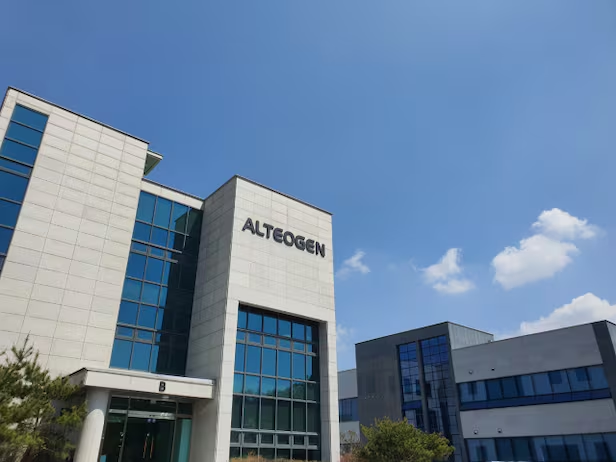
Deal details and technological core Operating through its oncology subsidiary Tesaro, GSK has paid an upfront fee of $20 million to secure global rights to the ALT-B4 hyaluronidase enzyme from South Korea’s Alteogen. The deal is valued at a potential $285 million, contingent on reaching specific development, regulatory, and commercial milestones, alongside future royalties.
The centerpiece of this collaboration is Alteogen’s Hybrozyme technology. This system enables the creation of enzymes that break down hyaluronic acid in subcutaneous tissue, allowing drugs that typically require large-volume delivery to be administered via a simple injection instead of hours-long intravenous sessions.
Strategic outlook for Jemperli The initiative specifically targets the development of an under-the-skin version of Jemperli (dostarlimab), an oncology drug for endometrial cancer and solid tumors that has shown rapid sales growth. This shift to a subcutaneous format is seen as GSK’s direct response to major market competitors like Merck’s Keytruda, Bristol Myers Squibb’s Opdivo, and Roche’s Tecentriq, all of which have already secured approvals for similar formulations.
As Jemperli nears blockbuster sales status, this project is pivotal for GSK’s pharmaceutical portfolio. Utilizing Alteogen’s technology not only aims to improve the patient treatment experience but also ensures GSK remains a formidable contender in the competitive landscape of PD-1 checkpoint inhibitors.
Source: https://www.fiercepharma.com/pharma/gsk-offers-alteogen-285m-subq-jemperli-licensing-pact