

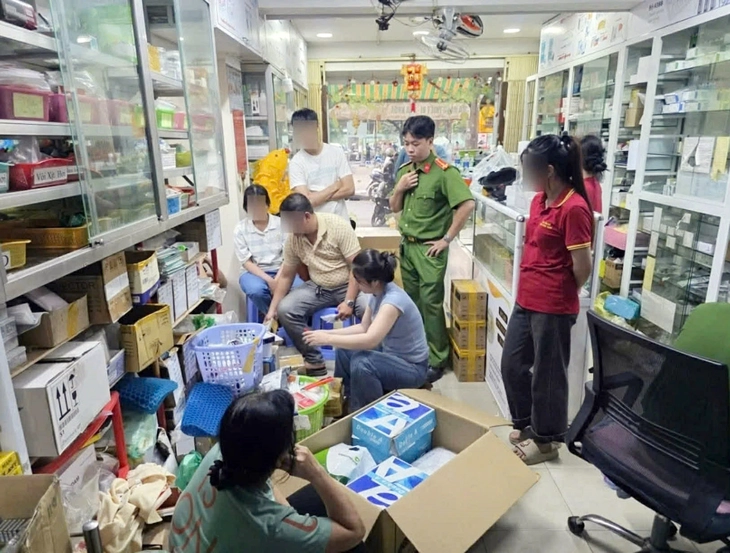
Authorities have recently identified several instances of illegal industrial chemical use in food processing and dental treatments, raising significant public health concerns.
Identified chemicals and their physical effects:
-
Borax: Used to bind starch and protein, giving foods like noodles a firm texture and inhibiting bacterial growth to extend shelf life. This substance has no safe consumption limit and tends to accumulate within body cells.
-
Soda (Industrial Sodium Bicarbonate): Used to improve the firmness and appearance of food. Overuse or the use of industrial-grade soda can disrupt the stomach’s natural acidic environment.
-
Liquid Glass (Sodium/Potassium Silicate): Primarily a construction and waterproofing agent. In food, it creates a coating that gives products a glossy, fresh appearance and a synthetic crunchy texture by denaturing proteins.
-
White Arsenic (Arsenic Trioxide): A highly toxic inorganic substance found in illicitly manufactured dental pulp treatment products.
Impact on the human body: Exposure to these chemicals leads to two primary categories of damage:
-
Digestive and Excretory Systems: Causes chronic inflammation of the gastric and intestinal mucosa, hindering nutrient absorption. The liver and kidneys—the body’s main metabolic organs—suffer direct damage due to the prolonged process of eliminating these toxins.
-
Long-term consequences: Arsenic poisoning can lead to peripheral neurological symptoms, skin pigmentation changes, and a significantly increased risk of various cancers (skin, lung, bladder), as well as cardiovascular diseases and diabetes.
Identification guidelines: Consumers can identify chemically treated foods through certain indicators: abnormal glossiness or color, an unnaturally tough texture, and a lack of natural spoilage after long periods of exposure to the environment. Medical experts recommend prioritizing food with transparent origins and avoiding the long-term storage of fresh produce.