

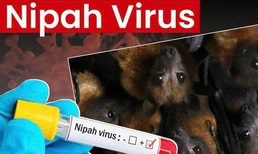
Nipah virus (NiV) infection is classified as a highly dangerous acute infectious disease (Group A), capable of zoonotic (animal-to-human) and human-to-human transmission. With a mortality rate ranging from 40% to 75%, it is listed as a priority pathogen for global surveillance.
Biological Characteristics and Transmission Routes
The Nipah virus belongs to the Paramyxoviridae family, naturally residing in fruit bats (Pteropus genus). The primary transmission pathways include:
-
Zoonotic: Direct contact with secretions (urine, saliva) from infected bats or intermediate hosts such as pigs, horses, goats, and sheep.
-
Foodborne: Consumption of fruits or raw date palm sap contaminated with bat excreta.
-
Human-to-human: Spread via respiratory droplets or bodily fluids. Strains identified in Bangladesh and India exhibit higher human-to-human transmissibility compared to the Malaysian strain.
Clinical Progression
The incubation period typically lasts 3 to 14 days (rarely up to 45 days). The disease progresses through several stages:
-
Onset: High fever, headache, myalgia, sore throat, and gastrointestinal symptoms.
-
Full-blown stage: Neurological disorders (dizziness, confusion, disorientation). Consciousness can deteriorate rapidly, leading to deep coma within 24-48 hours.
-
Complications: Severe pneumonia, seizures, and multi-organ failure. Approximately 20% of survivors suffer from long-term neurological sequelae or late-onset encephalitis.
Diagnosis and Treatment Principles
Case identification is based on epidemiological factors (history of travel to affected areas or contact with infected sources within 14 days) and laboratory confirmation:
-
Testing: Real-time RT-PCR is used to detect viral RNA in respiratory secretions, blood, urine, or cerebrospinal fluid. ELISA testing is employed for antibody detection.
-
Treatment: There are currently no specific antiviral drugs or vaccines. Management focuses on strict isolation and intensive supportive care (fever management with Paracetamol, respiratory support, seizure control, and fluid balance).