
Stricter oversight for specialized nutritional products Health authorities are finalizing amendments to the Food Safety Law, focusing on heightened technical barriers for high-risk product groups. Under the proposal, foods for infants under 36 months, medical nutritional products, and items targeting individuals with chronic conditions (such as diabetes or cardiovascular diseases) will face more rigorous monitoring from production to distribution.
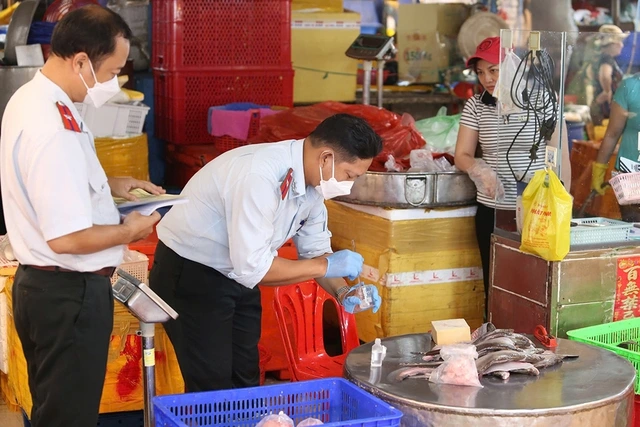
Moving beyond basic safety checks, the new framework emphasizes post-market inspections of quality standards and technical dossiers. This shift aims to prevent the misuse or excessive application of potentially harmful substances in food processing.
Mandatory disclosure of sponsorship for influencers A key highlight of the draft is the regulation of promotional activities on digital platforms. Influencers and celebrities promoting food products will be required to explicitly disclose their sponsorship relationship with brands.
Furthermore, e-commerce sites and social media platforms must publicly display product registration certificates and approved advertising content. These measures are designed to close management loopholes regarding unverified food information currently circulating online.
Digitalizing product traceability The draft also introduces requirements for using barcodes or QR codes on packaging to facilitate the identification and traceability of raw materials, additives, and food-contact materials. Standardizing these labels will not only empower consumers to verify product information but also increase the accountability of manufacturers and distributors. The finalized proposal is expected to be submitted to the Government following a consultation period ending in early January 2026.