

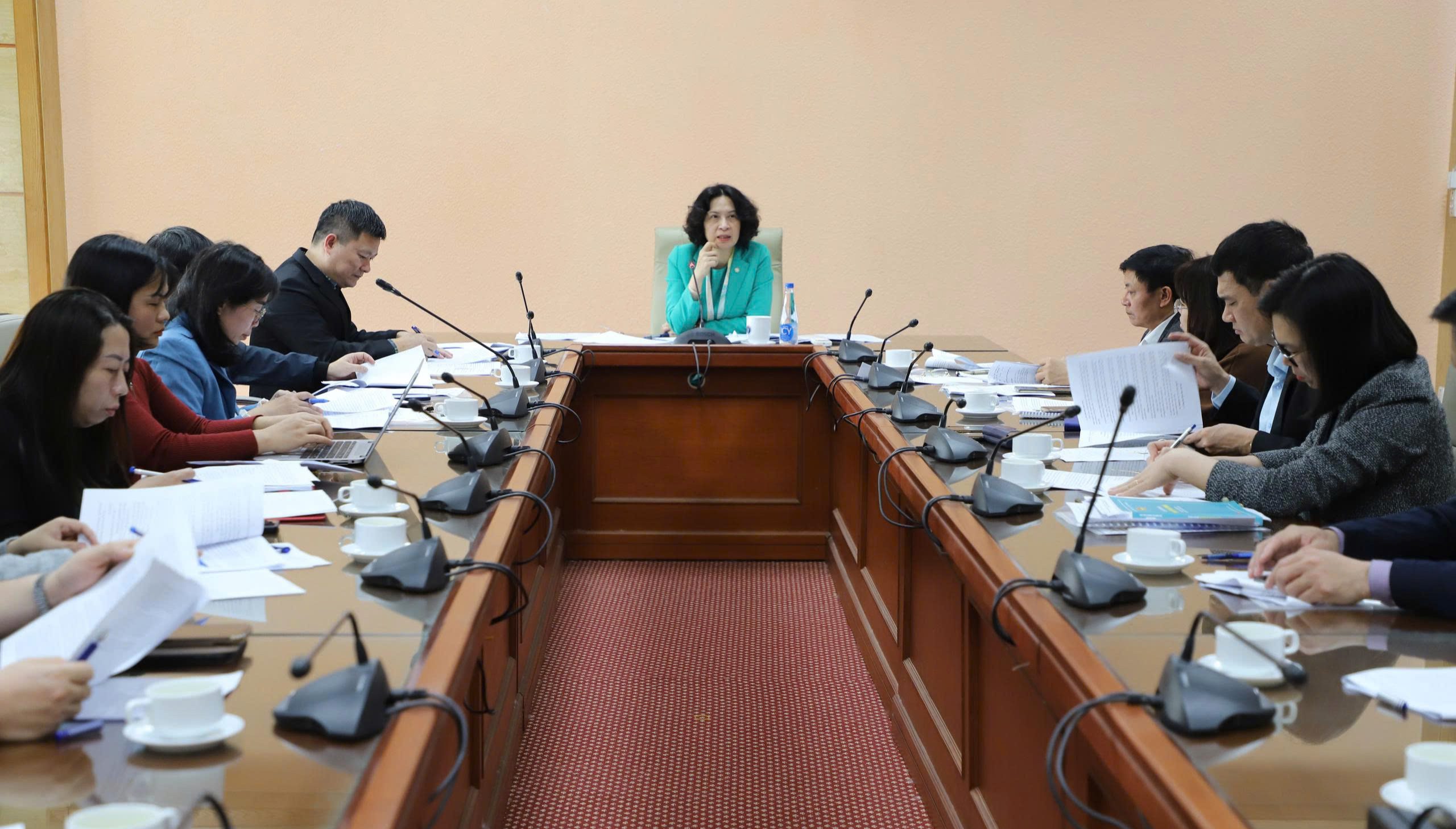
On the morning of January 29, 2026, the Ministry of Health convened a meeting to finalize the national program for prostitution prevention and control for the upcoming decade (2026-2035). The core innovation of this proposal is a strategic shift toward an approach based on public health and humanistic values, rather than relying solely on administrative measures.
Shifting management and support paradigms The draft program prioritizes prevention as the key element. Instead of isolation, the new strategy focuses on providing medical harm reduction services and livelihood support for sex workers. Delegates emphasized the importance of creating genuine career opportunities to enable sustainable community reintegration for these individuals.
Refining legal and practical frameworks The meeting outlined specific requirements for adjusting indicators to align with local realities, particularly the two-level government model. Key focus areas include:
-
Cyberspace control: Strengthening the monitoring of disguised prostitution activities in digital environments.
-
Decentralization: Granting specific autonomy and financial resources to grassroots levels.
-
Term standardization: Reviewing legal concepts to ensure consistency within the current legal system, aiming toward future legislative proposals.
Ministry of Health leadership affirmed that issuing this 10-year roadmap is a strategic step to ensure social security and order while protecting equitable access to healthcare for all members of society.