

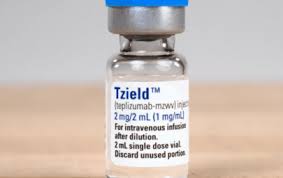
Breakthrough T1D, the leading global type 1 diabetes (T1D) research and advocacy organization, has formally applauded the decision issued by the U.S. Food and Drug Administration (FDA) to expand the therapeutic indication of Tzield. The regulatory green light marks a historic milestone as Tzield stands as the first and only disease-modifying therapy authorized to intervene directly within Stage 3 type 1 diabetes, empowering newly diagnosed individuals to treat the underlying pathology rather than managing clinical symptoms alone.
The documented clinical deployment criteria, beta-cell preservation mechanisms, and downstream regulatory pipeline implications feature:
-
Clinical Indication Thresholds and Efficacy Profiles via the PROTECT Study:
-
Target Demographics: The FDA cleared Tzield for deployment in pediatric and adolescent cohorts aged 8 to 17 years who present within eight weeks of a formal Stage 3 T1D diagnosis. Stage 3 type 1 diabetes represents the critical metabolic phase where the pancreas can no longer produce sufficient endogenous insulin to regulate blood glucose, rendering active insulin therapy mandatory.
-
PROTECT Trial Readouts: Data generated from the pivotal PROTECT study demonstrated that Tzield successfully preserved baseline pancreatic beta-cell function in individuals transitioning into Stage 3 T1D, structurally delaying subsequent disease progression. The biological asset originally secured its initial FDA clearance in fiscal year 2022 as the first disease-modifying therapy indicated for Stage 2 T1D, and it remains the solitary disease-modifying drug commercialized across the entire T1D landscape.
-
-
Confirmatory Trials and Post-Market Regulatory Guidance for the T1D Pipeline:
-
BETA-PRESERVE Evaluation: Continuous, post-market monitoring of the drug within this young patient population is actively underway through the BETA-PRESERVE confirmatory clinical trial steered by global drugmaker Sanofi (which onboarded the asset via its corporate acquisition of Provention Bio in 2023).
-
Establishing Regulatory Precedents: By granting accelerated approval status to Tzield for Stage 3 management, the FDA has carved a definitive regulatory framework for alternative disease-modifying assets currently locked in global T1D research pipelines, particularly those relying on C-peptide preservation as a validated clinical trial endpoint.
-
-
Epidemiological Baselines and Sustained Advocacy Infrastructure by Breakthrough T1D:
-
Disease Pathology Profile: Type 1 diabetes operates as a chronic autoimmune condition wherein the host immune system systematically destroys insulin-producing cells, impacting 9.5 million people globally. Contrary to widespread clinical misconceptions that label T1D exclusively as a juvenile condition, adult-onset diagnoses are highly prevalent, accounting for approximately 50% of the aggregate patient registry. The onset of the pathology is entirely independent of dietary habits or personal lifestyle choices, driven instead by a complex interplay of genetic predispositions and environmental triggers. There is currently zero permanent cure.
-
Decadal Capital Support: Breakthrough T1D (formerly operating as JDRF) has structurally anchored the development lifecycle of Tzield across multiple decades. Corporate contributions include direct research grants, targeted federal allocations funneled through the Special Diabetes Program, and a high-impact strategic equity investment executed by the T1D Fund into Provention Bio prior to its corporate consolidation into Sanofi.
-