

Key Development
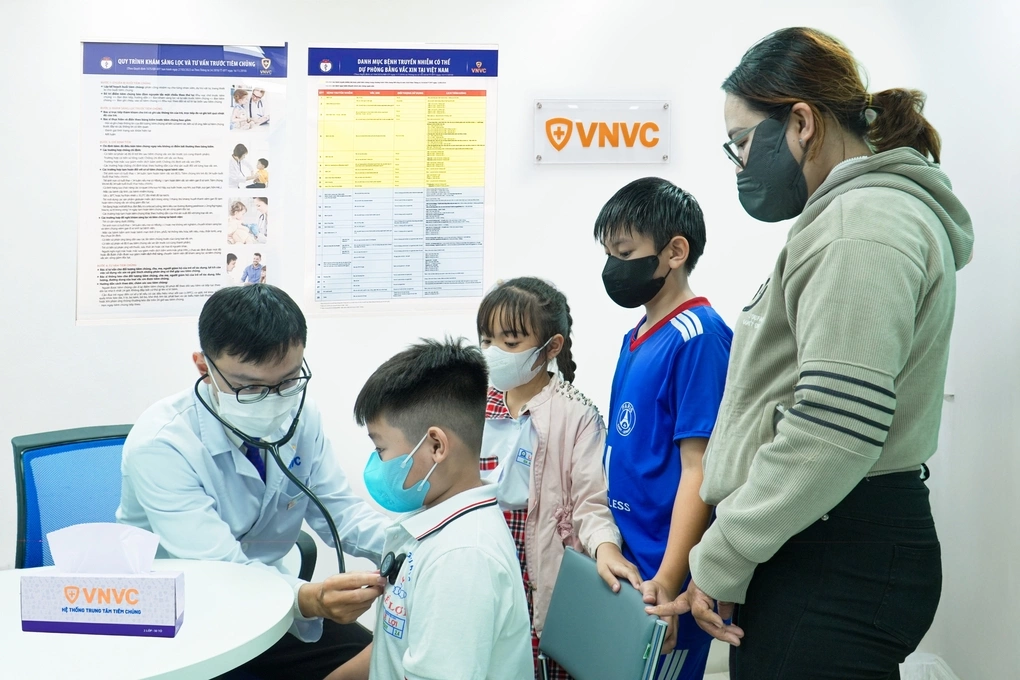
Vietnam’s VNVC vaccination network administered nearly 40,000 meningococcal vaccine doses nationwide between October 16 and 19, 2026, approximately three times the comparable previous period. In Ho Chi Minh City, nearly 15,000 doses were administered across approximately 80 centers, representing a reported 125-fold increase. Beyond the demand surge, the figures expose a strategic challenge: preventive healthcare remains highly sensitive to public risk perception rather than consistently planned immunization.
The increase followed a cluster of four meningococcal disease cases at a Ho Chi Minh City secondary school, including one fatality. According to the Pasteur Institute in Ho Chi Minh City, southern Vietnam recorded 42 cases and seven deaths during the first ten months of 2026, with children aged 11–15 representing the largest reported age group at 28.6%.
Children accounted for approximately 70% of VNVC’s recent vaccinations. The provider responded by reallocating vaccine supplies, increasing staffing and extending service availability while committing to maintain prices despite the sudden rise in demand.
Why It Matters
- Vaccination demand can change rapidly following a serious outbreak, creating significant pressure on inventory, staffing and service capacity.
- Public awareness does not automatically translate into sustained prevention, especially when vaccination decisions are concentrated around highly publicized cases.
- Serogroup-specific protection complicates consumer decisions, making professional consultation essential.
- Large vaccination networks gain operational advantages during demand spikes, provided safety and cold-chain standards remain consistent.
- The long-term opportunity lies in proactive immunization planning, not dependence on short-term emergency demand.
Healthcare Insight Analysis
Healthcare Insight believes the vaccination surge reveals an important contradiction in preventive healthcare economics.
Consumers may recognize the value of disease prevention most strongly after the consequences of delayed protection become visible.
Before a serious incident, vaccination can appear discretionary.
After a fatal case, the same service may become an immediate household priority.
This creates a volatile demand cycle:
disease incident → heightened risk perception → vaccination demand → capacity pressure → temporary market acceleration.
For vaccination providers, rapid demand growth can increase service volumes but simultaneously strain operational systems.
Vaccine inventory must be available.
Cold-chain integrity must be preserved.
Qualified staff must provide consultations.
Eligibility must be assessed.
Vaccination records and follow-up schedules must be maintained.
Commercial responsiveness must never compromise vaccination safety.
VNVC’s reported scale demonstrates how a distributed service network can respond to sudden demand.
However, nearly 40,000 doses represent vaccination activity, not 40,000 unique individuals or proof of complete immunization.
Different meningococcal vaccines protect against different serogroups, and their eligibility and dosing schedules vary.
This distinction is especially important because the recent school cluster involved serogroup B.
High vaccination volume does not automatically equal comprehensive population protection.
For vaccine manufacturers and distributors, the episode also raises a supply-chain question.
If demand is concentrated into several days, providers need sufficient inventory flexibility without creating excessive stock or wastage during quieter periods.
The sustainable model is therefore:
epidemiological monitoring → demand forecasting → vaccine availability → appropriate counseling → completed vaccination schedules.
The commercial opportunity is not simply to maximize doses during periods of public concern.
It is to develop trusted preventive-care relationships that encourage vaccination decisions before an outbreak occurs.
For investors, the reported 125-fold increase in Ho Chi Minh City is a powerful short-term indicator, but it should not be extrapolated into a permanent growth rate.
A four-day surge is not equivalent to structural market expansion.
The stronger KPI is whether emergency awareness produces lasting improvements in timely vaccination, schedule completion and appropriate coverage.
Market Implications
VNVC: demonstrates network responsiveness but must sustain vaccine availability, clinical quality and operational efficiency during volatile demand periods.
Vaccine manufacturers: may experience short-term demand acceleration, reinforcing the importance of production planning and distributor coordination.
Competing vaccination providers: face increasing expectations around inventory reliability, professional consultation and appointment accessibility.
Public-health authorities: have an opportunity to strengthen evidence-based vaccination education, particularly on age eligibility and serogroup coverage.
Healthcare investors: should differentiate outbreak-related sales spikes from sustainable vaccination demand and evaluate inventory efficiency, customer retention and service capacity.
ANALYTICAL MATRIX
| Dimension | Current Signal | Opportunity | Key Risk |
| Vaccination demand | Nearly 40,000 doses in four days | Expand preventive access | Temporary demand spike |
| HCMC market | Nearly 15,000 doses; 125× increase | Rapid regional response | Capacity pressure |
| Customer profile | Approximately 70% children | Strengthen family vaccination planning | Reactive decisions |
| Supply-chain operations | Nationwide vaccine reallocation | Inventory responsiveness | Stockouts or wastage |
| Preventive strategy | Increased outbreak awareness | Improve scheduled immunization | Weak long-term persistence |
VNVC is not simply experiencing a short-term vaccination surge. The episode demonstrates how quickly healthcare demand can change when infectious-disease risk becomes personally relevant.
For Vietnam’s vaccination market, the strategic opportunity is to convert heightened awareness into reliable, appropriately targeted and sustained preventive care.
The strongest operators will be those capable of combining supply-chain resilience, clinical credibility and long-term vaccination engagement.
The broader healthcare signal is clear:
the next stage of immunization growth should be defined not by how many doses are administered after an outbreak, but by how effectively vaccination occurs before the next one.
Source:https://vnexpress.net/gan-40-000-mui-vaccine-nao-mo-cau-duoc-tiem-trong-4-ngay-5134449.html