

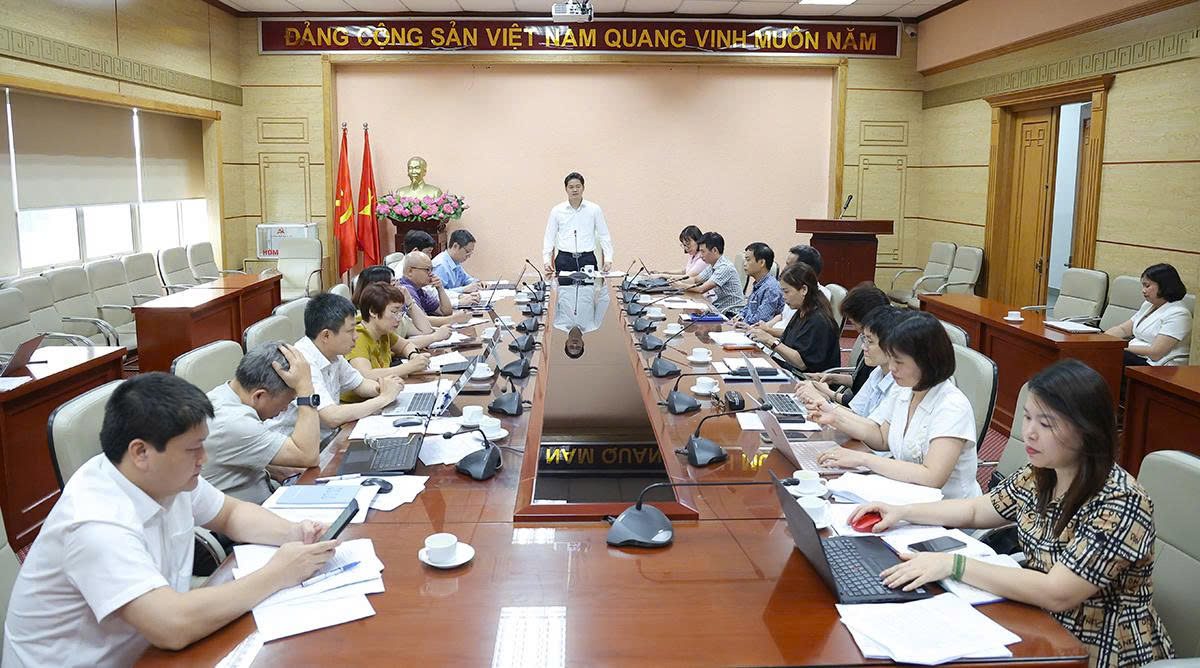
On the afternoon of June 17, 2026, at the headquarters of the Ministry of Health, Alternate Member of the Central Committee of the Communist Party of Vietnam and Permanent Vice Minister of Health Vu Manh Ha chaired a nationwide synchronized video conference to evaluate the draft Circular establishing the national Registry of Medicinal Ingredients, Traditional Ingredients, and Traditional Medicines Presenting Medium and High-Risk Profiles. The executive session bridged federal regulators with municipal Departments of Health, specialized medical centers, and private pharmaceutical enterprises to structure a harmonized statutory framework engineered to enforce rigorous bio-quality controls while simultaneously driving growth across the traditional medicine economic sector.
The documented 7-article risk stratification framework, active market sampling inspection protocols, and institutional de-bottlenecking mandates issued by leadership feature:
-
Structural Architecture of the Risk Registry and Statutory Jurisdiction:
-
HS Code Alignment: As of June 15, 2026, the draft Circular is structured into 7 distinct Regulatory Articles, defining the exact parameters of the Medium and High-Risk Traditional Medicine Registry. This classification system is systematically integrated with standardized HS (Harmonized System) codes to ensure seamless compatibility with Vietnam’s sovereign import and export commodity tracking databases.
-
Enforcement Scope: The upcoming Circular mandates absolute compliance from all corporate entities, domestic organizations, and individuals engaged across the supply chain—encompassing manufacturing, commercial trading, and logistics—or any institutional laboratory overseeing the quality assurance of registered medium to high-risk traditional medical products within the Vietnamese territory.
-
-
Quality Governance Principles and Rapid Transnational Incident Response:
-
Post-Market Inspections: Guided by Article 5 of the draft text, quality control frameworks for registered high and medium-risk assets must strictly align with cross-agency drug manufacturing laws, the statutory quality standards under Article 102 of the Law on Pharmacy, and pre-approved marketing authorization dossiers. Compliance teams will deploy active, unannounced sampling and laboratory testing mechanisms directly within active commercial distribution, wholesale networks, and clinical usage environments.
-
Sovereign Intervention Triggers: In events characterized by unexpected quality degradation or bio-hazard alerts issued by foreign specialized regulatory bodies or international health organizations, the Ministry of Health authorizes the Traditional Medicine Administration of Vietnam to independently initiate custom inspection models and immediate regulatory containment protocols.
-
-
Ideological Pivots and Urgent Policy Deliverables Mandated by Vice Minister Vu Manh Ha:
-
Dismantling Regulatory Barriers: Concluding the session, Permanent Vice Minister Vu Manh Ha emphasized that within the macroeconomic context of the nation targeting double-digit GDP growth, the healthcare sector must proactively dissolve institutional bottlenecks. The executive leadership directed a comprehensive shift away from restrictive, bureaucratic red tape toward scientific, equitable, and technology-driven regulatory architectures designed to empower private sector expansion rather than creating counter-productive administrative barriers.
-
Preserving Statutory Stability: The Vice Minister cautioned the drafting bodies against incorporating unverified clauses that lack robust empirical baselines or thorough socio-economic impact assessments. The final statutory text must demonstrate long-term stability, strictly avoiding systemic vulnerabilities where a decree requires immediate post-issuance revision. Furthermore, traditional medicine policies must undergo rigorous alignment checks with conventional pharmacy codes and food safety protocols to prevent overlapping jurisdictions.
-
Proactive Policy Communication: For the terminal processing phase, the Traditional Medicine Administration of Vietnam is tasked with absorbing all expert critiques. The drafting body must accelerate proactive public policy communications during the foundational text-writing stages, organizing large-scale consultative symposia with scientific circles and the business stakeholders directly impacted by the regulations to solidify social consensus and guarantee the timely enactment of the Circular under Government schedules.
-