

Key Development
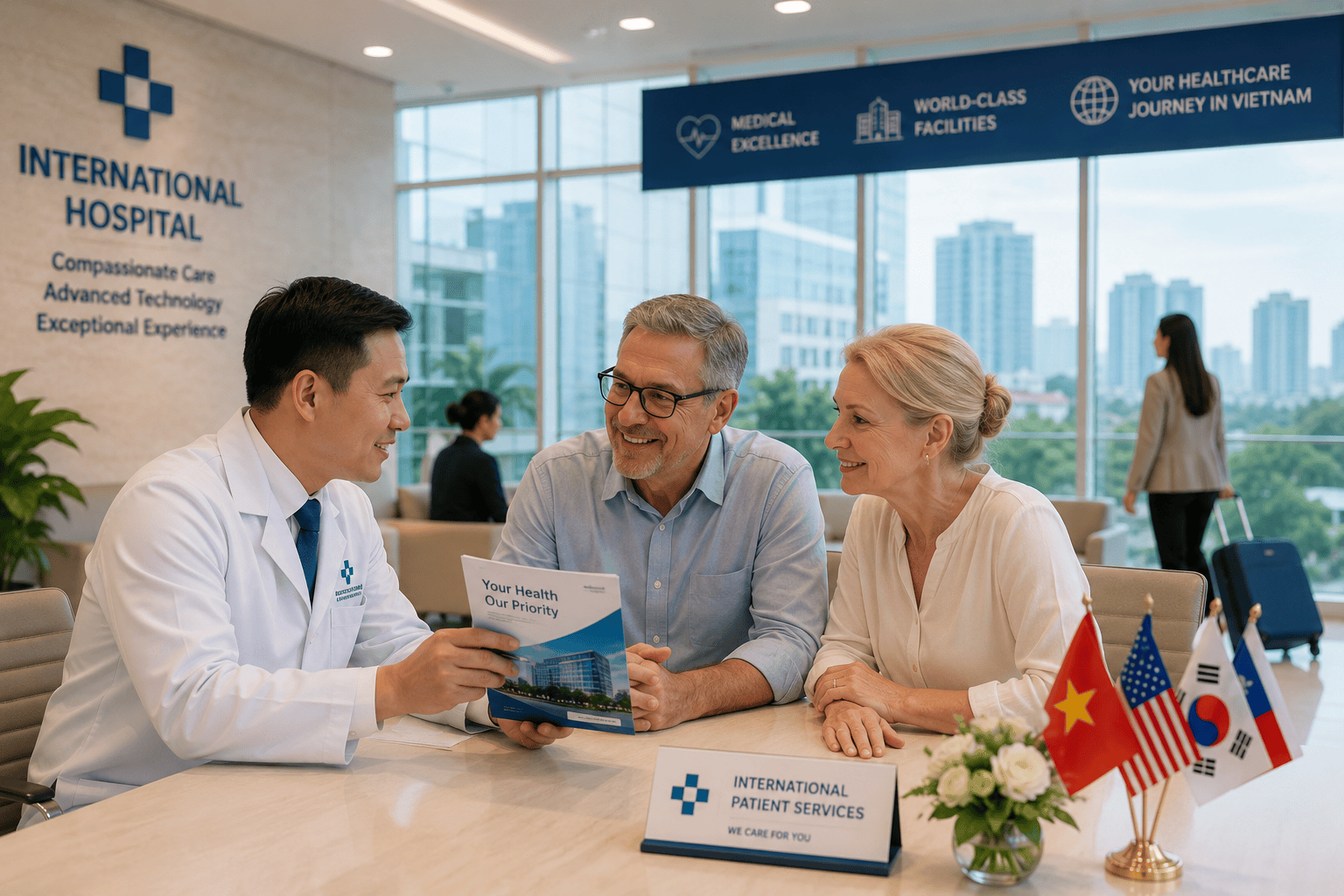
Vietnam is increasingly positioning itself as a destination for international patients by combining competitive healthcare costs with expanding clinical capabilities across dentistry, cosmetic surgery, fertility treatment, cardiovascular care and oncology. As healthcare quality continues to improve, medical tourism is emerging as a strategic opportunity to diversify revenue beyond traditional healthcare services.
Cities such as Ho Chi Minh City have already begun developing integrated medical tourism products by connecting hospitals, travel agencies, hotels and wellness providers. While these initiatives demonstrate strong potential, Vietnam still trails regional leaders including Thailand, Singapore and Malaysia in international branding, hospital accreditation, insurance compatibility and patient experience.
The next phase of growth will depend less on affordability and more on Vietnam’s ability to deliver internationally recognised healthcare services supported by a fully integrated healthcare ecosystem.
Why It Matters
• Medical tourism creates new revenue streams beyond conventional healthcare delivery.
• International patient demand can stimulate investment in hospitals, medical technology and specialised services.
• Pharmaceutical, medical device, insurance and hospitality sectors all stand to benefit.
• International accreditation and patient experience are becoming stronger competitive differentiators than treatment cost alone.
• Vietnam has an opportunity to strengthen its position within Asia’s regional healthcare value chain.
Healthcare Insight Analysis
From Healthcare Insight’s perspective, medical tourism represents far more than attracting foreign patients. It is a catalyst for transforming the healthcare sector into a higher value service economy. Every international patient generates demand not only for medical treatment but also for pharmaceuticals, diagnostics, rehabilitation, hospitality, transportation and digital healthcare services.
Regional competition is also evolving. Thailand has established leadership in premium healthcare services, Singapore remains the destination for highly complex treatments, and Malaysia has successfully integrated healthcare with tourism. Vietnam possesses clear advantages in affordability and improving clinical quality, yet sustainable competitiveness will depend on achieving international accreditation, expanding multilingual healthcare workforces and delivering seamless patient experiences supported by digital technologies.
Equally important is ecosystem integration. Long term success will require stronger collaboration among hospitals, insurers, travel companies, airlines, hotels and digital health platforms to create an end to end patient journey. Such collaboration can generate competitive advantages that extend well beyond pricing.
For investors, medical tourism offers opportunities across private hospitals, fertility clinics, dental services, cosmetic medicine, chronic disease management, international patient platforms and digital health infrastructure. These sectors are well positioned to benefit as cross border healthcare demand continues to expand across Asia.
Market Implications
A coordinated national strategy for medical tourism could significantly accelerate investment in private healthcare, hospital modernisation, healthcare digitalisation and international insurance partnerships. Companies capable of combining clinical excellence with integrated patient services are likely to emerge as long term winners.
Ultimately, Vietnam’s competitiveness in medical tourism will be defined not only by affordability but by clinical quality, operational excellence and the strength of its healthcare ecosystem.
Source: https://nhandan.vn/special/VietNam-o-dau-trong-cuoc-dua-du-lich-y-te/index.html