

Key Development
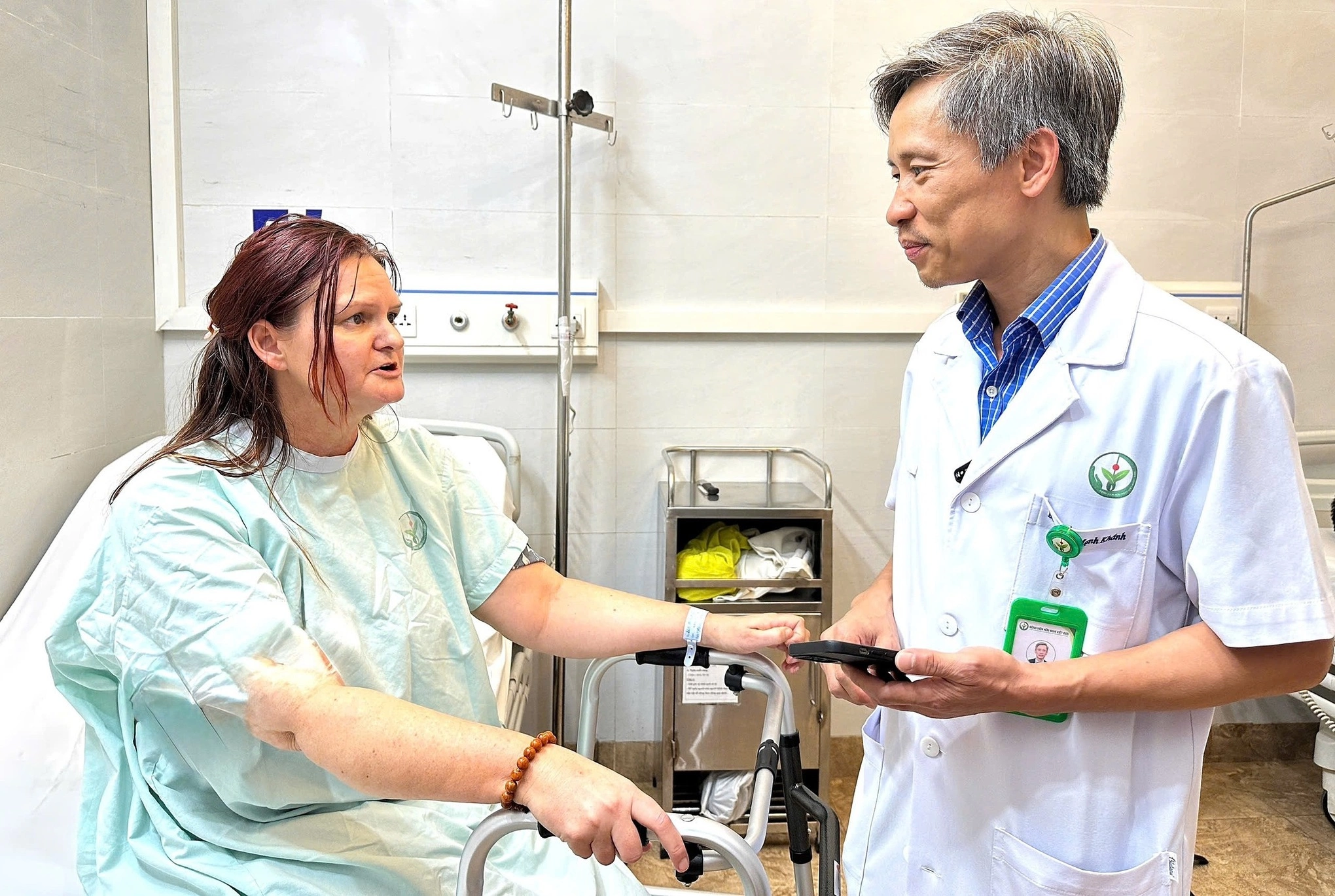
A 51 year old woman from New Zealand travelled to Viet Duc University Hospital in Vietnam for hip replacement surgery after waiting approximately four years for treatment in New Zealand’s public healthcare system. Following a minimally invasive procedure, she was able to begin walking within days, highlighting Vietnam’s growing reputation for advanced orthopaedic care.
The story represents more than a successful surgical outcome. It demonstrates how international patients are increasingly evaluating healthcare providers based on treatment accessibility, specialist expertise and clinical outcomes rather than geography alone. As waiting lists continue to challenge many developed healthcare systems, cross border care is becoming an increasingly attractive option.
For Vietnam, the case reflects an emerging opportunity to strengthen its position within Asia’s medical tourism landscape by combining high quality clinical care with competitive costs and shorter treatment timelines.
Why It Matters
• Vietnam is strengthening its reputation for advanced specialist care.
• Faster access to treatment is becoming a key competitive advantage.
• International patient flows create new revenue opportunities beyond domestic healthcare.
• Higher demand may encourage investment in hospitals, technology and international patient services.
• The case supports Vietnam’s ambition to become a regional healthcare destination.
Healthcare Insight Analysis
From Healthcare Insight’s perspective, this case illustrates a structural shift in global healthcare delivery. Ageing populations, workforce shortages and extended waiting lists are encouraging patients to seek treatment beyond national borders. Medical tourism is no longer driven primarily by affordability but increasingly by access, clinical quality and patient experience.
Vietnam is well positioned to benefit from this transition in selected specialties including orthopaedics, cardiovascular care, oncology, fertility treatment and dentistry. However, sustaining long term competitiveness will require more than clinical excellence. Hospitals will need internationally recognised quality standards, multilingual patient services, integrated digital platforms and stronger collaboration with insurers and travel providers.
The broader opportunity extends across the healthcare ecosystem. Growth in international patient volumes would stimulate demand for advanced surgical technologies, rehabilitation services, hospital digitalisation and specialised care pathways. At the same time, stronger international visibility could enhance Vietnam’s attractiveness for healthcare investment and clinical collaboration.
Ultimately, the success of Vietnam’s medical tourism sector will depend on building a seamless patient journey that combines medical expertise with operational excellence, international accreditation and high quality service delivery.
Market Implications
Expanding international patient demand could accelerate investment in tertiary hospitals, advanced surgical centres, rehabilitation facilities and digital patient management platforms. Healthcare providers capable of delivering internationally recognised outcomes and integrated patient services are likely to gain a stronger competitive position.
Over the long term, medical tourism has the potential to become a significant contributor to Vietnam’s healthcare economy while reinforcing the country’s position within the regional healthcare ecosystem.
Source: https://vnexpress.net/nguoi-phu-nu-new-zealand-den-viet-nam-phau-thuat-thay-khop-5101810.html