

Key Development
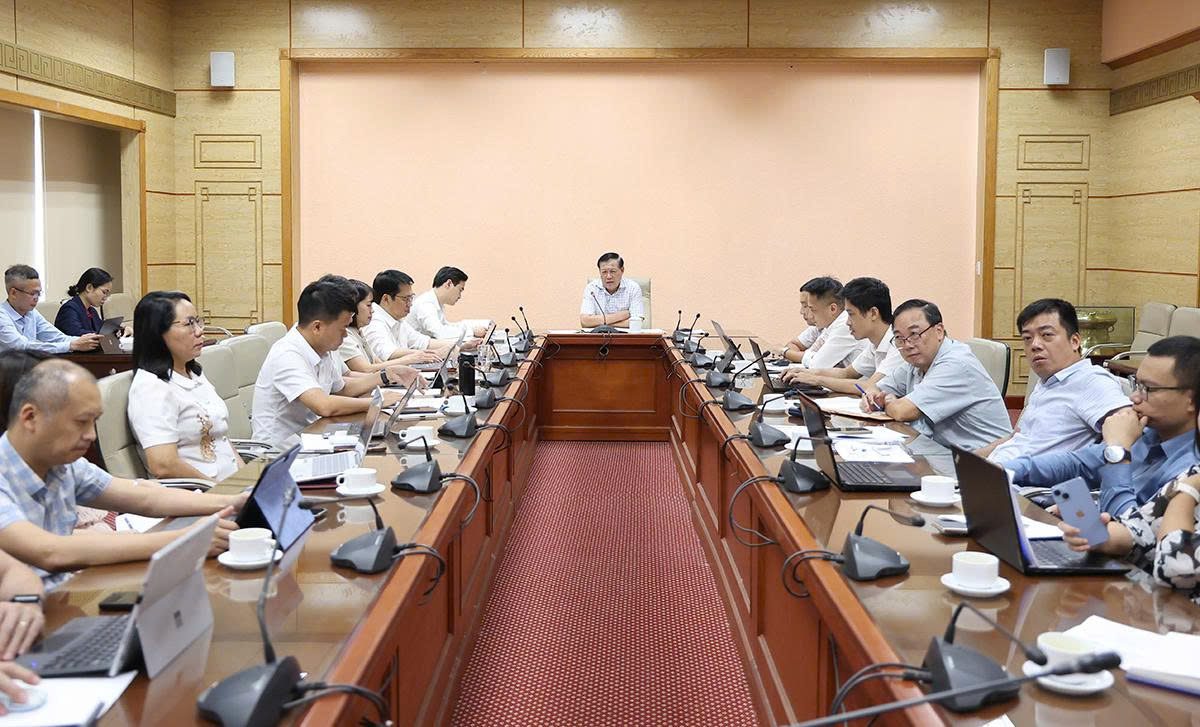
Deputy Minister of Health Do Xuan Tuyen presided over a national review conference to evaluate proposed regulatory amendments to the draft Amended Food Safety Law and its implementation decrees. The discussion centered on replacing legacy provisions governing “testing and verification testing” under the 2010 Law with standardized international terminology: “testing and inspection/assessment” (thử nghiệm và giám định).
The consultative conference convened leaders from the Food Safety Agency (FSA), legal drafting bodies under the Ministry of Health, and municipal health departments to ensure statutory feasibility prior to formal submission to the National Assembly.
Core Policy Pillars in the Amended Draft Law:
-
Standardizing “Testing” (Thử nghiệm) Frameworks Across 3 Functional Objectives: Testing denotes laboratory analysis evaluating physicochemical, biological, nutritional, and toxicological parameters against technical standards. The amended draft establishes clear legal distinctions across three primary applications:
-
Product Self-Declaration / Registration: Executed proactively by enterprises to certify statutory compliance prior to market launch.
-
Routine Market Surveillance: Periodic sampling to identify emerging microbiological or chemical hazards.
-
State Inspection, Audit & Post-Market Surveillance: Executed by regulatory authorities to enforce statutory compliance and penalize infractions.
-
-
Codifying Independent “Inspection/Assessment” (Giám định): When regulatory authorities detect technical ambiguities or suspect product safety breaches, independent accredited third-party inspection bodies will be commissioned to perform impartial assessments.
-
Delineating Sample Collection Authority: For routine safety monitoring, accredited testing laboratories are authorized to collect samples; for formal state inspections, audits, and law enforcement actions, sample collection must be executed directly by state regulatory officials.
-
Three-Tiered Risk-Based Border Inspection System:
-
Low Risk: Streamlined document review facilitating rapid customs clearance.
-
Medium Risk: Random probabilistic physical sampling.
-
High Risk: Mandatory 100% batch testing and physical inspection at border checkpoints.
-
-
Transitioning to Farm-to-Fork Supply Chain Governance: Moving away from fragmented, stage-based oversight toward integrated supply chain food safety governance, while establishing clear statutory boundaries distinguishing “substandard goods” from “counterfeit goods” for appropriate legal penalization.
Why It Matters
-
Eliminating Regulatory Redundancies & Harmonizing with International Standards: Aligning statutory terminology and testing frameworks with international bodies (e.g., Codex Alimentarius, ISO/IEC 17025) eliminates redundant testing mandates, reducing compliance overhead for food, nutrition, and nutraceutical enterprises.
-
Resolving Customs Clearance Bottlenecks at Ports of Entry: Institutionalizing risk-based border inspections (supported by 17–18 technical risk classification standards) allows compliant importers to clear customs rapidly while focusing regulatory resources on high-risk consignments.
-
Structuring Feasible Legislative Transition Provisions: Transitioning from legacy terms requires comprehensive transitional clauses (điều khoản chuyển tiếp) to prevent operational disruption for accredited testing laboratories, digital licensing portals, and certification bodies.
Healthcare Insight Analysis
From the perspective of Healthcare Insight, Deputy Minister Do Xuan Tuyen’s directives on August 17, 2026, represent a transition toward Risk-Based Food Safety Modernization.
After 16 years of implementation under the 2010 Law, regulatory frameworks are evolving to address three structural priorities:
-
Harmonization with Conformity Assessment Standards: Adopting standardized terms—”Testing” (Thử nghiệm) and “Inspection” (Giám định)—synchronizes the Food Safety Law with Vietnam’s Law on Technical Standards and Regulations, the Law on Product Quality, and modern free trade agreements (CPTPP, EVFTA).
-
Third-Party Impartiality in Dispute Resolution: Establishing an independent third-party inspection mechanism provides an objective channel to resolve scientific disputes, protecting both commercial enterprises and regulatory agencies from protracted administrative litigation.
-
Differentiating Quality Deficiencies from Criminal Counterfeiting: Coordinating with judicial authorities to distinguish between non-compliant specifications (substandard goods) and deliberate ingredient fraud (counterfeit goods) maintains strict enforcement while avoiding criminalization of routine commercial discrepancies.
Market Implications
-
Accelerated Customs Clearance for Compliant Importers: Health supplement and food additive importers with established compliance track records (low-risk tier) will access document-only clearance pathways, reducing border clearance times to 24–48 hours.
-
Expanding Commercial Opportunities for Accredited Testing Laboratories: Broadening the functional scope of independent testing and inspection bodies will stimulate private-sector investments into ISO/IEC 17025 certified analytical laboratories.
-
Heightened Surveillance on High-Risk Product Categories: High-risk food imports or entities with prior non-compliance records will face mandatory, comprehensive border testing protocols.
Comparative Regulatory Matrix: Vietnam Food Safety Law Overhaul
| Regulatory Pillar | Legacy Framework (Law 2010) | Proposed Amended Law (2026 Draft) |
| Core Technical Terms | “Kiểm nghiệm, kiểm nghiệm kiểm chứng” | Standardized as “Testing” (Thử nghiệm) & “Inspection” (Giám định). |
| Governance Architecture | Fragmented oversight across isolated stages. | Integrated Farm-to-Fork Supply Chain Governance. |
| Border Import Controls | Blanket inspections causing port congestion. | Three-Tiered Risk-Based System (Low – Medium – High). |
| Sampling Authority | Ambiguous statutory allocation. | Surveillance: Testing labs; State audits: State officials. |
| Technical Dispute Triage | Complex administrative appeals process. | Commissioning accredited third-party inspectors. |