

Key Development
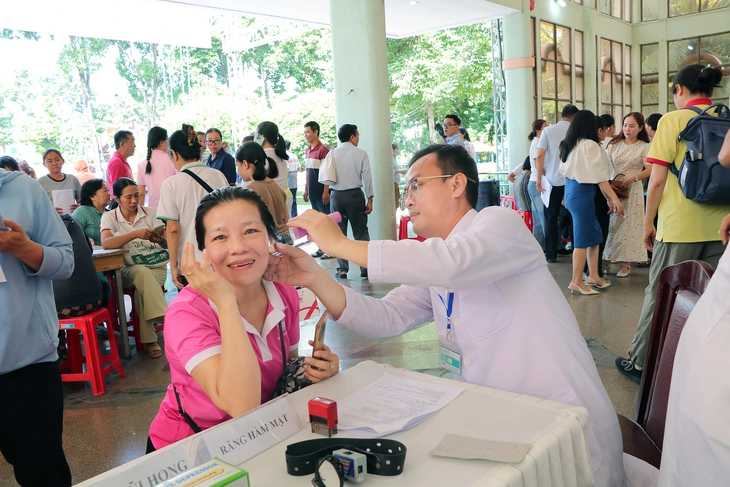
On August 24, 2026, Assoc. Prof. Tang Chi Thuong, MD, PhD—Director of the Ho Chi Minh City Department of Health—formally announced a foundational structural policy to revitalize urban primary healthcare: Eliminating administrative isolation across commune and ward health stations by establishing direct institutional partnerships with municipal tertiary and general hospitals.
The core operational mechanism involves the mandatory 3-to-5-year secondment (biệt phái) of hospital physicians who are designated in leadership talent pipelines or holding clinical management roles to serve directly as Directors of Ward Health Stations (Trạm Y tế) experiencing leadership vacancies or administrative deficits.
Three Core Institutional Mechanisms:
-
Two-Way Continuous Clinical Integration: Each grassroots health station is formally paired with a designated sponsoring hospital. Health station practitioners maintain dedicated access to digital tele-consultations, subspecialty clinical guidance, standardized treatment protocols, and coordinated referral pathways.
-
Subspecialty Physician Rotations in Primary Care: Structured clinical rotations deploying hospital physicians directly into community clinics on scheduled rotations, prioritizing high-demand outpatient specialties: Internal Medicine, Pediatrics, Obstetrics/Gynecology, Cardiology, Endocrinology, and Geriatrics.
-
Governance Reinforcement & Executive Pipeline Cultivation: Assigning managerial hospital physicians to lead health stations for $3 – 5\text{ years}$ ensures operational reorganization and clinical quality standardization. This tenure serves as a structured prerequisite for prospective senior executive appointments within the municipal health system.
Why It Matters
-
Operationalizing Integrated Delivery Networks (IDNs): Historically, primary care stations, secondary district hospitals, and tertiary medical centers functioned in isolated silos. Pairing health stations directly with major hospital backbones extends advanced clinical capabilities into local neighborhoods while preserving the health station’s core mission of preventive health and chronic disease management.
-
Resolving Grassroots Administrative Bottlenecks: Multiple urban health stations across HCMC have faced prolonged leadership recruitment deficits. Structured 3-to-5-year managerial assignments provide governance stability and elevate clinical service delivery.
-
Aligning with Municipal Governance Directives: The policy aligns with strategic recommendations delivered by HCMC Party Secretary Tran Luu Quang during National Assembly discussions on August 19, 2026, exploring pilot models where grassroots stations operate under the direct clinical and administrative umbrella of major hospital centers.
Healthcare Insight Analysis
From the perspective of Healthcare Insight, the August 24, 2026 announcement by HCMC Health Director Tang Chi Thuong exemplifies Primary Care Leadership Rotation & Integrated Delivery Network (IDN) reform.
The policy addresses three chronic urban healthcare structural challenges:
-
Ensuring a Meaningful Tenure Window (3–5 Years): Short-term clinical rotations (weeks to months) offer transient relief without systemic operational improvement. A 3-to-5-year assignment provides sufficient duration for an executive physician to analyze local epidemiological patterns, deploy electronic health records, and build sustainable clinical workflows.
-
Elevating Primary Care Leadership Prestige: Establishing community health management as a credential for hospital directorship transforms grassroots service from a perceived career detour into an executive qualification pipeline.
-
Mitigating Tertiary Hospital Inpatient Congestion: Enhancing diagnostic confidence and chronic disease management (hypertension, diabetes, COPD) at grassroots clinics retains routine outpatient volume locally, relieving pressure on tertiary emergency departments.
Market Implications
-
Pilot Deployment Across Flagship Municipal Hospitals: The Department of Health will finalize pairings connecting specialized hospitals (Binh Dan, Nhan Dan Gia Dinh, Hung Vuong, Children’s Hospitals) with suburban and urban health station clusters.
-
Expansion of Grassroots Drug Formularies & Reimbursable Procedures: The presence of hospital physicians and accredited leadership will accelerate social health insurance (VHI) formulary expansion and technical procedural approvals at the commune level.
-
Increased Primary Care Insurance Enrollment: Modernizing health station capabilities builds neighborhood confidence, driving primary health insurance registrations and expanding operating revenue for grassroots clinics.
Policy Framework Matrix: Ho Chi Minh City Health Station Transformation (August 2026)
| Strategic Pillar | Policy Implementation Parameters | Systemic & Clinical Objective |
| Executive Secondment | Hospital leadership candidates assigned as Station Directors for 3–5 years | Stabilizes station governance; trains future hospital executives. |
| Clinical Sponsorship | Each health station paired with 1 major hospital backbone | Real-time tele-consultations, clinical audits & rapid referral. |
| Physician Rotations | Outpatient rotations (Internal Med, Peds, OB/GYN, Cardio, Geriatrics) | Delivers hospital-grade subspecialty consultations locally. |
| Multi-Tiered Delivery | Integrated Network Model (replacing isolated operational silos) | Brings tertiary clinical depth directly to community residents. |
| Strategic Lineage | Supports HCMC Party Secretary directive on hospital-led stations | Re-engineers grassroots urban healthcare delivery. |