

Key Development
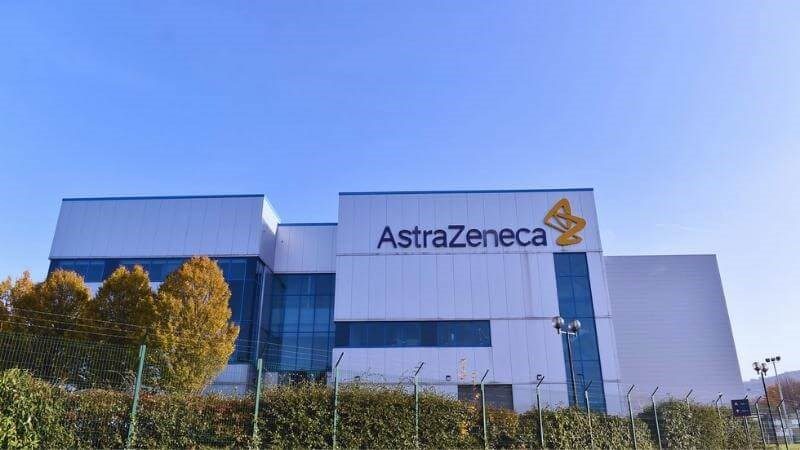
On August 22, 2026, Vietnam’s Ministry of Health issued Decision No. 2684/QĐ-BYT withdrawing AstraZeneca Vietnam’s pharmaceutical business eligibility certificate associated with its former logistics infrastructure. Importantly for the market, the decision followed requests submitted by the company itself rather than being presented as an enforcement action.
AstraZeneca Vietnam said the move forms part of its transition toward a larger and more advanced warehousing system. The new infrastructure is expected to strengthen storage capacity, temperature control and cold-chain capabilities required for specialty medicines, biologics and advanced therapies. The company also stated that pharmaceutical supply and other business operations in Vietnam remain uninterrupted during the transition.
Viewed strategically, the development is therefore less about the withdrawal of an individual certificate and more about a broader shift underway in Vietnam: as pharmaceutical portfolios become more sophisticated, the infrastructure supporting them must evolve as well.
Why It Matters
- Infrastructure is becoming part of portfolio strategy. Biologics, vaccines and specialty medicines require significantly more sophisticated temperature control, traceability and quality assurance than conventional pharmaceutical distribution.
- Supply-chain capability is becoming a competitive differentiator. For high-value therapies, reliable movement from importation through warehousing to hospitals can influence commercialization speed and market scalability.
- Vietnam is entering another healthcare logistics investment cycle. The country’s pharmaceutical logistics market was estimated at approximately USD 387 million in 2025 and is projected to continue expanding, supported partly by increasing cold-chain requirements.
- Compliance is increasingly connected to growth strategy. GSP/GDP capabilities, temperature management and traceability are evolving from operational requirements into prerequisites for managing more complex pharmaceutical portfolios.
Healthcare Insight Analysis
Healthcare Insight sees the most strategically relevant question not as why AstraZeneca is leaving an old facility, but why a more advanced infrastructure platform is increasingly necessary.
Vietnam’s pharmaceutical market is moving toward higher-value products. Industry data cited by domestic pharmaceutical companies place the market at approximately USD 9 billion in 2025, alongside a gradual shift toward higher-value medicines. As oncology, rare diseases, biologics and specialty medicines increasingly shape global pharma portfolios, successful market entry will depend on more than regulatory approval and market access. It will also depend on supply-chain readiness.
This fundamentally changes the strategic role of pharmaceutical logistics. A warehouse is no longer simply a storage facility. For temperature-sensitive and high-value medicines, it becomes part of the healthcare delivery infrastructure responsible for maintaining product integrity from manufacturer to hospital and ultimately to the patient.
For multinational pharmaceutical companies, investment in modern logistics can therefore function as an “ahead-of-the-portfolio” investment — establishing operational capacity before the next generation of products reaches meaningful commercial scale.
Market Implications
For multinational pharmaceutical companies, the development may encourage broader reviews of warehousing, cold-chain capacity and logistics partnerships before expanding specialty and biologics portfolios in Vietnam.
For logistics and cold-chain providers, demand is likely to move beyond basic storage toward higher-value capabilities including real-time temperature monitoring, traceability, validation, risk management and integrated data systems.
For investors, pharmaceutical logistics represents an increasingly important infrastructure layer within Vietnam’s healthcare ecosystem. FiinResearch reported that the country’s designed cold-storage capacity expanded by 10.5% between 2023 and 2025, with further capacity additions expected through 2029.
For the broader healthcare sector, the longer-term message is increasingly clear: access to next-generation medicines depends not only on whether therapies receive approval, but also on whether the healthcare system has the infrastructure required to deliver them safely, reliably and at scale.