

Key Development
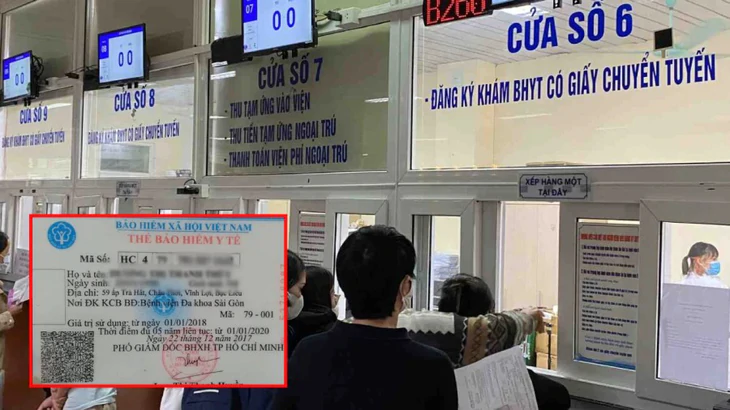
The Ministry of Health (MOH) of Vietnam has officially issued an administrative response to petitions submitted by voters from Lam Dong Province concerning bureaucratic inefficiencies in Vietnam Health Insurance (VHI) referral procedures.
Voters noted that physical referral documentation remains time-consuming, creating administrative barriers for patients requiring specialized care at tertiary medical centers.
Official Response & Legislative Directives from the Ministry of Health:
-
Expanding Direct Referral Frameworks: The Ministry of Health is assessing operational data to amend and supplement Circular No. 01/2025/TT-BYT. Proposed regulatory revisions focus on simplifying administrative steps and expanding eligible clinical conditions allowing direct patient transfers from primary-level facilities to specialized-level hospitals, bypassing intermediate care levels when specialized interventions are required.
-
Current Disease Categories Exempt from Routine Referral Permits (Circular 01/2025/TT-BYT):
-
62 Diseases/Conditions: Eligible for direct treatment at specialized-level facilities without executing referral paperwork post-diagnosis.
-
167 Diseases/Conditions: Eligible for care at basic-level facilities without requiring physical referral slips.
-
141 Diseases/Conditions: Authorized to utilize annual referral certificates valid for 12 months.
-
-
Digitizing the Referral Infrastructure: Accelerating the integration of digital referral certificates, digital re-examination appointments, electronic health records (EHR), and cross-hospital diagnostic data sharing.
-
Clarifying Regulatory Principles: Statutory frameworks do not permit universal self-referral across all care levels while maintaining $100\%$ VHI benefit coverage. This restriction maintains tiered care, prevents health insurance fund deficits, and avoids overcrowding at specialized medical institutions.
Why It Matters
-
Eliminating Administrative Bottlenecks in Patient Triage: VHI referral documentation has historically created administrative friction. Expanding direct referral access for critical conditions accelerates delivery of specialized care for high-mortality pathologies (e.g., oncology, cardiology, stroke management).
-
Preserving Technical Capacity at Specialized Facilities: Structuring healthcare delivery across technical tiers (Primary – Basic – Specialized) ensures tertiary hospitals focus resources on complex cases aligned with their specialized clinical mandates.
-
Digital Transformation Integration: Deploying digital referral workflows linked via national health IDs reduces documentation fraud while enabling real-time claims verification by Vietnam Social Security.
Healthcare Insight Analysis
From the perspective of Healthcare Insight, the August 13, 2026 administrative response from the Ministry of Health illustrates Value-Based & Digital Health Stratification.
A core operational challenge across Vietnam’s health system centers on balancing patient preferences for tertiary care with regulatory efforts to manage health insurance fund solvency through primary care gatekeeping.
Amending Circular 01/2025/TT-BYT addresses these dynamics through two regulatory mechanisms:
-
Disease-Specific Triage Pathways: Establishing clinical lists (62 specialized conditions, 167 basic conditions, and 141 annual-referral conditions) standardizes benefit coverage. Patients with chronic conditions (e.g., diabetes, hypertension, end-stage renal disease, oncology follow-ups) avoid monthly physical referral renewals.
-
Interoperable Diagnostics Integration: Digitizing referral certificates and electronic health records enables tertiary hospitals to recognize primary-level diagnostic results, reducing redundant testing costs for the national health insurance fund.
Market Implications
-
Reducing Administrative Overhead at Primary Clinics: Primary care physicians will experience reduced paperwork burdens, allowing greater focus on community-level chronic disease management.
-
Accelerating Software Infrastructure Procurement (HIS/LIS/PACS): Public and private health facilities will expand software procurements to meet MOH interoperability standards for electronic health records and digital referrals.
-
Improving Health Insurance Patient Experience: Expanding direct referral pathways will assist private hospital networks participating in the VHI framework in expanding patient coverage.
Regulatory Ledger: VHI Disease Triage & Referral Framework (2026)
| Disease Category | Specified Conditions / Cases | Regulatory Referral & VHI Compliance Mandate |
| Specialized Level Care | 62 Diseases / Conditions | Direct care at specialized facilities WITHOUT referral paperwork. |
| Basic Level Care | 167 Diseases / Conditions | Care at basic-level facilities WITHOUT physical referral slips. |
| Annual Referral Category | 141 Diseases / Conditions | Utilizes 1-year multi-use referral certificates. |
| Referral Certificate Format | Physical or Digital Format | Data integrated across national digital health records. |
| 2026 Legislative Target | Circular 01/2025/TT-BYT | Expands direct referral pathways bypassing intermediate tiers. |