

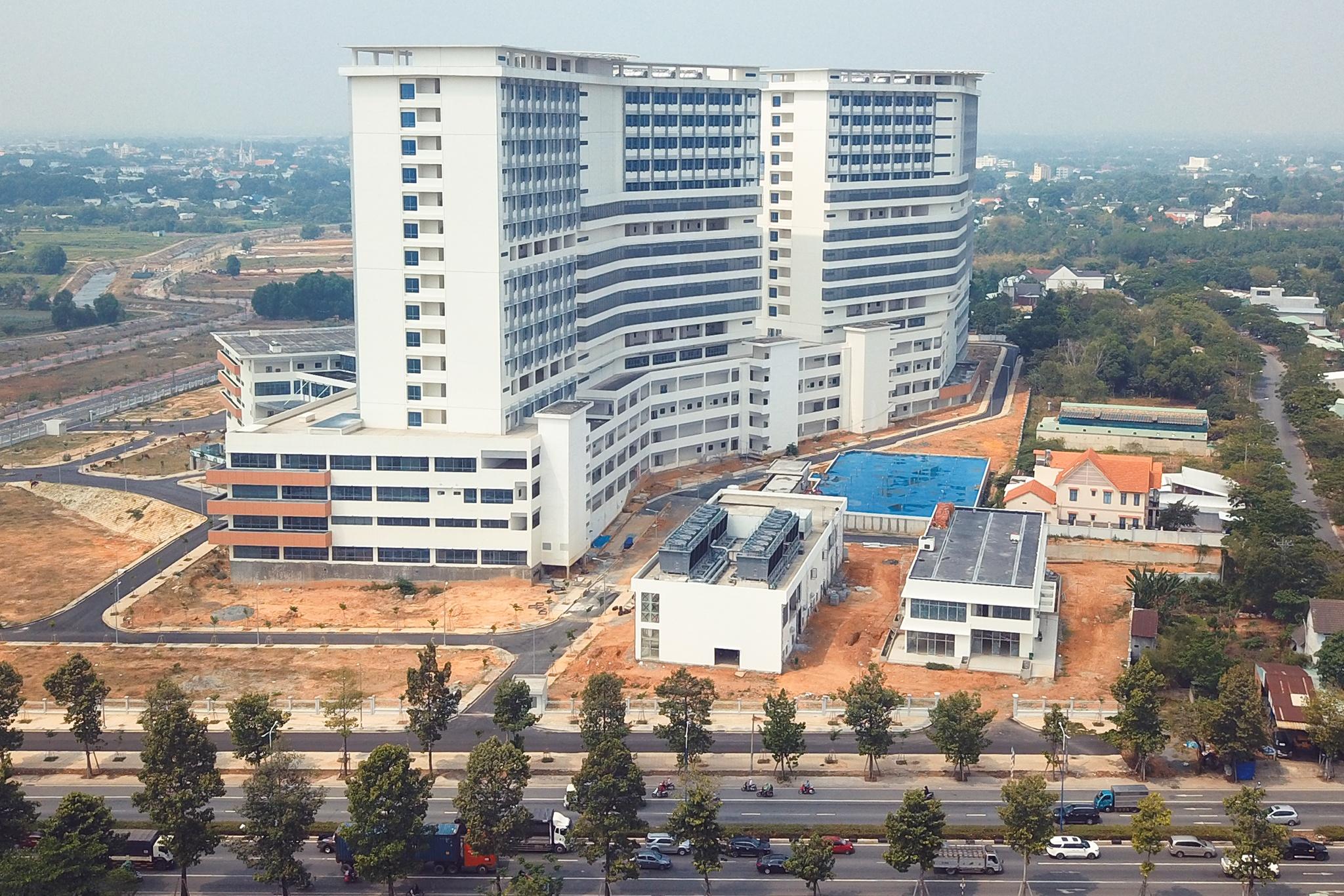
Key Development
Da Nang is advancing its healthcare infrastructure with plans for a new VND 500 billion specialist hospital in the Dien Ban area, expanding access to specialized medical services for southern Da Nang and neighboring communities. The project is expected to ease pressure on tertiary hospitals while improving regional healthcare capacity.
The investment reflects a broader shift toward specialty care as healthcare demand becomes increasingly driven by chronic diseases, aging populations, and higher expectations for advanced medical services. Rather than simply expanding hospital beds, healthcare systems are increasingly investing in specialized treatment centers capable of delivering higher-value clinical care.
The project also supports Da Nang’s long-term ambition to become Central Vietnam’s leading healthcare hub, strengthening the region’s capabilities in specialized treatment, medical education, and healthcare innovation.
Why It Matters
- Expands specialist healthcare capacity across the Da Nang–Quang Nam region.
- Reduces patient congestion at major referral hospitals.
- Creates new demand for medical technology, diagnostics, and hospital digitalization.
- Supports Da Nang’s strategy to become a regional healthcare center.
- Opens opportunities for pharmaceutical, MedTech, and healthcare service providers.
Healthcare Insight Analysis
Hospital infrastructure investment is increasingly becoming a catalyst for broader healthcare ecosystem development. Beyond adding clinical capacity, new specialist hospitals stimulate demand across the entire healthcare value chain, including medical imaging, laboratory diagnostics, hospital information systems, pharmaceuticals, and clinical workforce development.
For MedTech companies, the expansion represents opportunities to deploy advanced imaging systems, surgical equipment, and digital hospital platforms. Pharmaceutical companies may also benefit from increased specialist prescribing and expanded access to innovative therapies.
More broadly, the project illustrates how regional healthcare investment is evolving from a public infrastructure initiative into a long-term economic development strategy. Strong healthcare systems are increasingly viewed as essential infrastructure that supports population health, attracts investment, and enhances regional competitiveness.
Market Implications
Short-term: The project is expected to stimulate procurement of hospital equipment, construction services, and healthcare infrastructure.
Medium-term: Digital health providers, diagnostic companies, and MedTech manufacturers could benefit as the facility moves toward commissioning and operation.
Long-term: Continued investment in specialist healthcare infrastructure would strengthen Da Nang’s position as Central Vietnam’s leading medical hub, supporting medical tourism, attracting healthcare professionals, and creating new opportunities for private-sector partnerships across the healthcare ecosystem.