

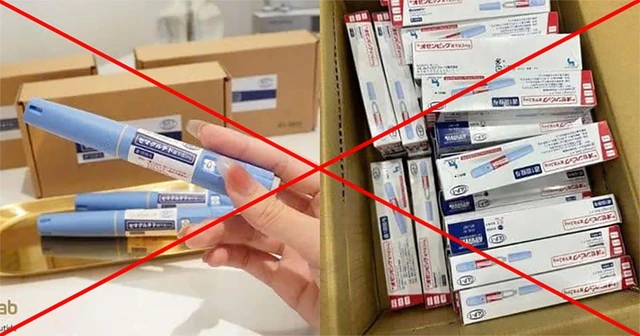
Key Development
On September 8, 2026, the Hanoi Department of Health issued a regulatory alert requesting coordinated inter-agency enforcement with municipal police and market surveillance authorities to curb the unauthorized advertising and commercial distribution of unverified weight-loss injection pens across social networks and digital e-commerce platforms.
Regulatory mandates and clinical governance parameters:
-
Clinical directives from endocrine medical specialists:
-
According to clinical specialists from the Department of Endocrinology and Diabetes at Tam Anh General Hospital Hanoi, weight-loss injection pens (incorporating glucagon-like peptide-1 / glucose-dependent insulinotropic polypeptide receptor agonists) represent specialized prescription pharmaceuticals delivered via specialized subcutaneous delivery devices. Administration requires direct clinical consultation, metabolic evaluation, and ongoing titration under medical supervision.
-
Pharmacological mechanism: Subcutaneous delivery modulates the neuro-enteric satiety axis, delays gastric emptying, enhances metabolic insulin response, and curbs caloric intake. Sustainable weight management requires structured dietary guidance and physical activity under regular metabolic laboratory tracking.
-
Legitimate commercial distribution requires clear chain of custody, validated 2–8 degree Celsius cold-chain logistics, and marketing authorizations issued by the Ministry of Health.
-
-
Directives issued to the Hanoi Municipal Police:
-
Instructing cybercrime and economic police divisions to investigate and dismantle illegal distribution rings marketing smuggled, counterfeit, or unapproved injectable weight-loss devices across e-commerce channels and social platforms.
-
-
Mandates conferred upon the Hanoi Department of Industry and Trade (Market Surveillance):
-
Organizing unannounced regulatory audits of wellness spas, aesthetics centers, and unauthorized online distribution networks, penalizing the commercialization of smuggled goods, fraudulent origin labeling, and the illicit retailing of prescription pharmaceuticals without required pharmaceutical retail licenses.
-
Why It Matters
-
Clinical dangers of degraded cold-chain and unverified formulations: GLP-1 receptor agonists are sensitive biological peptides requiring uninterrupted 2–8 degree Celsius cold-chain distribution. Injectable products smuggled through informal carry-on luggage channels face thermal instability, causing peptide degradation, loss of therapeutic potency, or adverse immunogenic reactions. Unmonitored dose escalation risks inducing acute pancreatitis, gastroparesis, severe dehydration, and acute kidney injury.
-
Rising risks of counterfeit biologicals and active ingredient substitution: Surging global demand for antiobesity therapies has stimulated an illicit secondary market for counterfeit injection pens. As documented in global FDA and WHO alerts, illicit pens often substitute sterile saline or concentrated insulin for active peptides. Administering high-dose insulin to non-diabetic individuals risks precipitating severe, life-threatening hypoglycemic shock.
-
Preserving digital pharmacy regulatory compliance: Vietnamese pharmaceutical statutes explicitly prohibit the online retail distribution of prescription-only therapeutics. Inter-agency enforcement between the Department of Health, the Police Department, and Market Surveillance provides the regulatory authority required to intercept illicit pharmaceutical trading across digital ecosystems.
Healthcare Insight Analysis
From the perspective of Healthcare Insight, the enforcement directive issued by the Hanoi Department of Health on September 8, 2026, illustrates Incretin Demand Acceleration and Digital Supply Chain Vulnerabilities in Biopharmaceutical Distribution.
The regulatory mobilization highlights three core healthcare administration dynamics:
-
Distinguishing lifestyle aesthetics from clinical metabolic medicine: GLP-1 therapies are indicated for chronic metabolic pathology, requiring baseline screening for personal or familial medullary thyroid carcinoma, multiple endocrine neoplasia syndrome, and baseline pancreatic lipase levels. Promoting injectable systemic biologics as casual cosmetic treatments circumvents essential patient safety assessments.
-
Cold-chain breakdowns in unauthorized consumer logistics: Delivering sensitive biological peptides via standard postal services or courier networks without validated thermal packaging compromises product integrity, increasing the risk of peptide aggregation and neutralizing anti-drug antibody formation.
-
Multi-agency enforcement models in digital health oversight: Because health departments lack independent investigative authority to execute residential warehouse raids or intercept encrypted digital financial transactions, collaborating with cyber police and market surveillance divisions provides a practical framework for stopping unlicensed pharmaceutical smuggling.
Market Implications
-
Regulatory scrutiny across regional medical spas and aesthetic centers: Private dermatology clinics and cosmetic salons offering unapproved body contouring injections face inspection regarding product invoicing, medical waste disposal, and scope-of-practice licensing.
-
Channel protection for authorized biopharmaceutical manufacturers: Curbing illicit parallel imports and counterfeit products safeguards commercial distribution for multi-national biopharmaceutical companies (such as Novo Nordisk and Eli Lilly) navigating regulatory submissions for official national product launches.
-
Shifting patient demand toward accredited clinical endocrinology centers: Public awareness warnings encourage patients seeking metabolic weight management to consult certified hospital endocrinology departments for medically supervised care.
Regulatory Matrix: Antiobesity Injectable Device Governance (Hanoi, September 2026)
| Parameter | Medical Governance Framework | Digital Marketplace Violations |
| Statutory status | Prescription-only specialized biological medicine | Sold without prescription on social media platforms |
| Clinical protocol | Mandatory specialist consultation and monitoring | Unsupervised administration without thyroid screening |
| Storage specifications | Strict 2–8 degree Celsius cold-chain distribution | Transported via standard courier without thermal control |
| Pharmacological profile | Modulates satiety and slows gastric emptying | Risks of acute pancreatitis, hypoglycemia, dehydration |
| Counterfeit exposure | Documented substitution with concentrated insulin | High risk of fatal hypoglycemic shock and coma |
| Enforcement authorities | Health Department, Municipal Police, Market Regulators | Joint inspections, supply seizures, criminal prosecution |