

Key Development
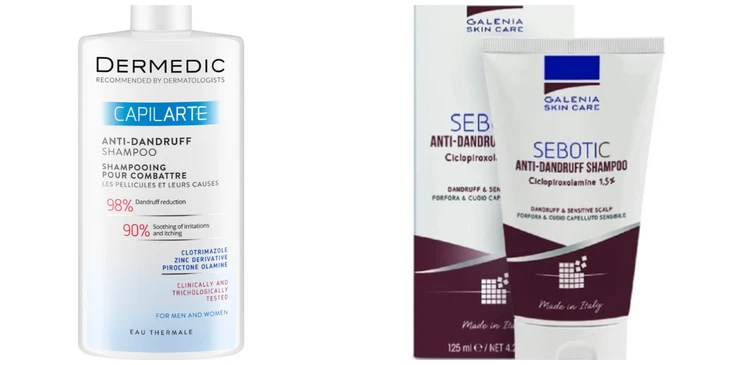
The Drug Administration of Vietnam (DAV), operating under the Ministry of Health, has formally issued an emergency regulatory enforcement decree mandating the immediate nationwide suspension of circulation, comprehensive market seizure of all remaining valid lots, and complete revocation of Product Notification Receipts for four imported specialized anti-dandruff shampoos. Analytical metrics confirmed that the formulation architectures incorporate Clotrimazole—a potent clinical antifungal molecule that no longer complies with the upgraded technical standards mandated under the ASEAN Cosmetic Directive.
The federal regulator directed the domestic commercial entities holding marketing authorizations for these assets to rapidly distribute recall execution notices across all distribution nodes, consolidate inventory, and execute full-scale industrial destruction. Concurrently, regional Departments of Health across all 63 provinces and municipalities are legally required to align with local media networks to publicize the trade freeze, preventing consumers from buying or using these suspended stocks.
Why It Matters
-
Upholding Regional Technical Frameworks (ASEAN Harmonization): As a formal signatory to the ASEAN Cosmetic Directive, Vietnam’s dynamic regulatory intervention is a non-negotiable treaty requirement. This aligns domestic consumer health safety metrics with updated regional technical frameworks that currently restrict approximately 1.760 prohibited chemical compounds.
-
Purging the Premium Imported Cosmeceutical Tier: The enforcement action directly restricts high-visibility, premium anti-dandruff therapies managed by three prominent pharmaceutical and import operations:
-
Dermedic Capilarte Anti-Dandruff Shampoo (two distinct product notification receipts managed via The Sunshine Import Export Trading Co., Ltd.).
-
Dermedic Capilarte Anti-Dandruff Shampoo (one product notification receipt managed via TTC – FRA Services and Import Export Co., Ltd.).
-
Galenia Skin Care Sebotic Anti-dandruff Shampoo (marketed via Sao Y Pharmaceutical Joint Stock Company).
-
-
Demarcating the Strict Boundaries Isolating Drugs from Cosmetics: This case reinforces a primary medical governance architecture: a highly potent active chemical compound like Clotrimazole possesses documented pathogenic treatment effects. Consequently, it must be regulated strictly as a “Prescription Drug” under professional clinical oversight, rendering it entirely illegal when formulated into unmonitored consumer cosmetics.
-
Intensifying Federal Post-Market Surveillance: Executed within a wider regulatory cleanup session, this emergency intervention highlights a synchronized federal crackdown designed to eradicate chemical non-compliance, following the structural seizure of the domestic Hoa Xu Lang lines and the Dr. Clean and Young Rau Ma batches over formulation discrepancies.
Healthcare Insight Analysis
From the perspective of Healthcare Insight, the emergency nationwide recall of four imported specialized anti-dandruff shampoos containing Clotrimazole marks The End of Cosmeceutical Grey Zones within the Vietnamese consumer marketplace. For years, the high-acute anti-dandruff and seborheic scalp management sub-sector has relied on a specific manufacturing strategy: compounding highly potent, clinical-grade antifungal molecules (such as Ketoconazole or Clotrimazole) directly into standard shampoo matrices to deliver rapid, aggressive therapeutic outcomes that consistently outperform purely botanical or organic consumer alternatives.
Mechanistically, Clotrimazole functions by inhibiting the synthesis of ergosterol—a vital component of the fungal cell membrane matrix—thereby neutralizing target yeasts associated with chronic dandruff. However, exposing the human scalp to continuous, unmonitored daily doses of Clotrimazole through generic hair care routines induces two severe biological complications:
-
Disrupting the Scalp Microbiome: The chronic chemical exposure obliterates the natural protective microbial flora of the scalp, destabilizing epidermal integrity and triggering severe rebound scaling cascades once the application ceases.
-
Accelerating Antimicrobial Resistance (AMR): Prolonged low-dose chemical exposure fosters localized fungal mutations, potentially rendering future systemic or topical clinical interventions entirely ineffective should the patient develop severe deep-tissue mycoses.
Consequently, the ASEAN Cosmetic Committee’s decision to classify Clotrimazole as a prohibited cosmetic additive and govern it strictly under medical frameworks is a sound, scientifically backed intervention. For domestic distributors like Sao Y Pharmaceutical, The Sunshine, and TTC – FRA, this sudden regulatory shift presents steep financial and operational challenges. Because premium imported brands operate on long-tail global supply chains mapped months in advance across Europe, executing a complete product reformulation to swap out Clotrimazole while sustaining therapeutic efficacy will take substantial time. During this operational dead-zone, this lucrative specialty market share will inevitably be captured by competitors deploying legal, alternative anti-dandruff chemical baselines (such as Zinc Pyrithione or Piroctone Olamine).
Market Implications
-
For Pharmacy Chains and Digital Retail Compliance: Major healthcare and dermo-cosmetic retail networks, alongside digital commerce systems, must deploy immediate algorithmic SKU purges. They must eliminate all affected Dermedic and Galenia lots from physical and digital storefronts to avoid punitive financial sanctions from regional health and market management inspectors.
-
Strict Inbound Ingredient Auditing Frameworks: This case mandates that regulatory compliance divisions within cosmetic and pharmaceutical companies monitor ASEAN directives in real-time. Post-market surveillance testing will intensify to screen for banned inputs, including mercury, hydroquinone, tretinoin, corticosteroids (dexamethasone, betamethasone), and restricted antibiotics/hormones.
-
Catalyzing the Adoption of Next-Generation Active Ingredients: The market will experience a rapid realignment of clinical communication. Premium hair care brands will accelerate marketing campaigns focusing on bio-compatible, ASEAN-compliant active substitutes to aggressively absorb the high-income consumer demographic left unsatisfied following this structural recall.