

Key Development
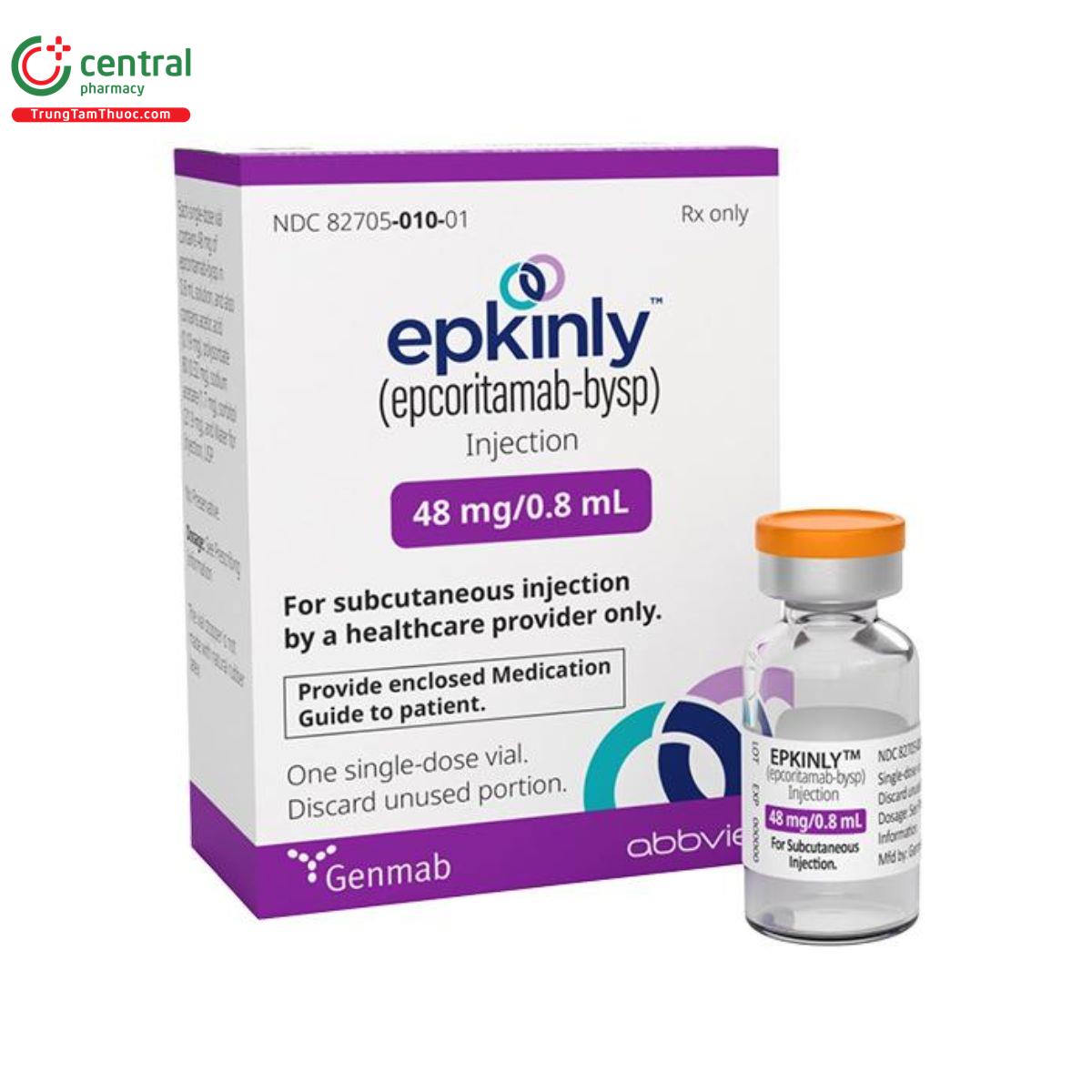
The European Commission has approved AbbVie and Genmab’s bispecific antibody TEPKINLY (epcoritamab) in combination with lenalidomide and rituximab for adults with relapsed or refractory follicular lymphoma (FL) after at least one prior line of therapy. The approval makes it the first bispecific antibody-based regimen authorized in Europe for second-line FL while offering a chemotherapy-free treatment option.
The decision follows positive results from the Phase III EPCORE FL-1 trial, where the fixed-duration regimen demonstrated significant improvements in progression-free survival and overall response rate compared with the current R² standard of care. Nearly three-quarters of treated patients achieved complete response, reinforcing confidence in bispecific antibodies as a viable alternative to conventional chemoimmunotherapy.
Why It Matters
- Marks the first expansion of bispecific antibody therapy into the second-line treatment setting for follicular lymphoma in Europe.
- Reinforces the industry’s shift toward chemotherapy-free, immune-based treatment strategies for hematologic malignancies.
- Strengthens AbbVie’s oncology growth strategy as the company expands beyond its traditional immunology portfolio.
- Intensifies competition among bispecific antibodies, CAR-T therapies, and antibody-drug conjugates targeting B-cell malignancies.
- May accelerate updates to clinical guidelines and reimbursement discussions across European healthcare systems.
Healthcare Insight Analysis
While regulatory approvals often focus on clinical efficacy, the broader significance of this decision lies in how treatment paradigms for indolent lymphoma are evolving.
Follicular lymphoma remains one of the most common indolent non-Hodgkin lymphomas. Although patients frequently achieve remission, repeated relapses remain inevitable for most individuals, creating continuous demand for therapies capable of extending remission while minimizing cumulative toxicity. Traditionally, chemotherapy-based combinations have remained an important component of treatment despite increasing interest in targeted immunotherapies.
The approval of epcoritamab in combination with R² reflects a broader strategic transition occurring across hematologic oncology. Pharmaceutical companies are increasingly moving immune-engaging therapies from late-line salvage settings into earlier stages of disease, where larger patient populations and longer treatment durations generate greater clinical and commercial value.
Equally important is the maturation of the bispecific antibody platform itself. Unlike personalized CAR-T therapies, off-the-shelf bispecific antibodies offer simpler manufacturing, broader accessibility, and shorter treatment initiation timelines. As more evidence accumulates, healthcare systems may increasingly evaluate bispecific antibodies not only on efficacy but also on operational efficiency, resource utilization, and patient convenience.
For AbbVie, the approval represents more than an additional indication. It reinforces oncology as one of the company’s long-term growth engines while deepening its strategic collaboration with Genmab. Continued Phase III studies across diffuse large B-cell lymphoma and first-line follicular lymphoma suggest that epcoritamab is being positioned as a platform asset rather than a single-indication product.
Market Implications
The approval is expected to intensify competition across the rapidly growing immuno-oncology landscape. Companies developing bispecific antibodies, CAR-T therapies, and next-generation CD20-targeted therapies will increasingly compete on durability of response, safety management, outpatient feasibility, and economic value.
For investors, the decision reinforces growing confidence that bispecific antibodies are transitioning from niche innovation to mainstream oncology practice. For healthcare providers, it signals that future treatment algorithms for B-cell lymphomas may rely less on chemotherapy and increasingly on targeted immune-based combinations.