

Key Development
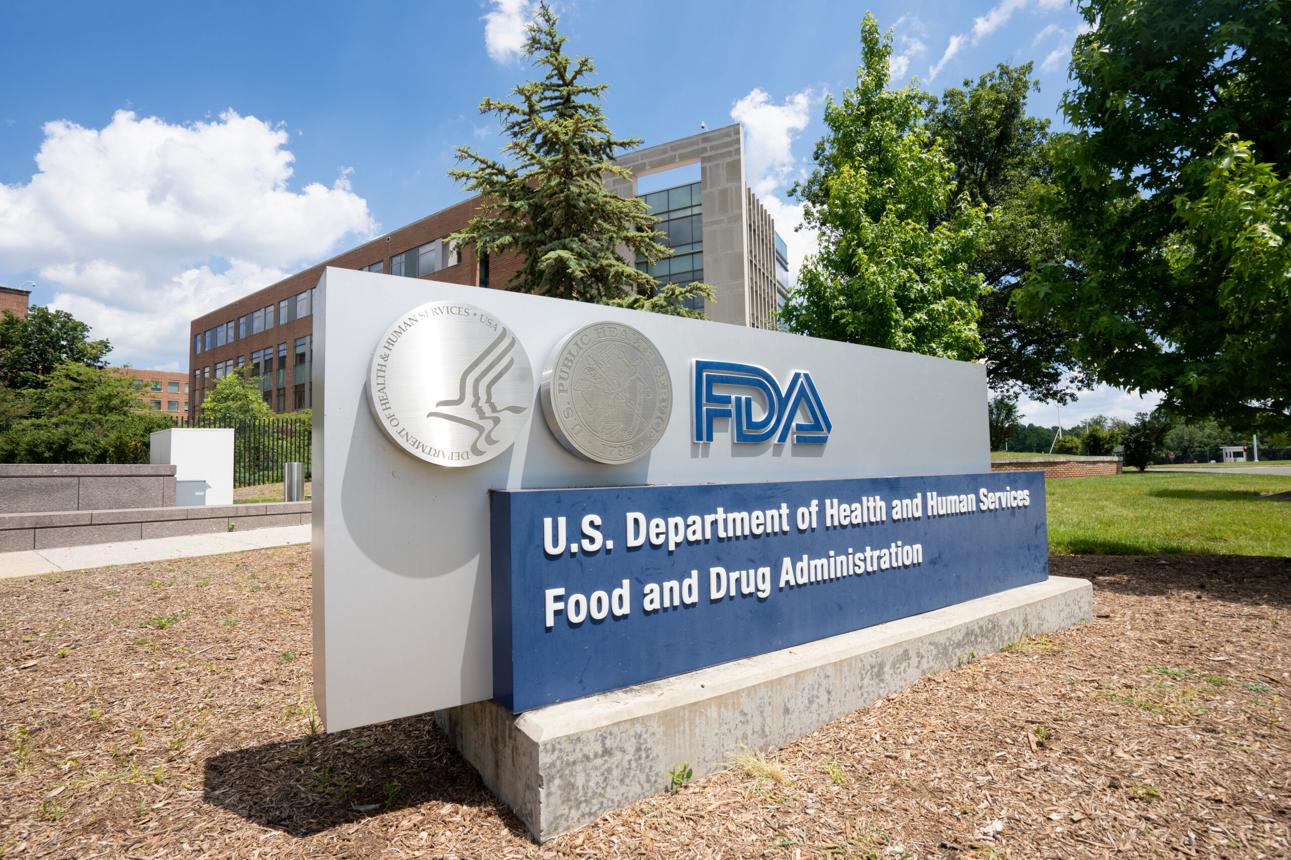
A U.S. Food and Drug Administration (FDA) advisory committee has voted to recommend placing BPC-157 on the agency’s 503A Bulks List, a move that could allow compounding pharmacies to legally prepare customized formulations of the peptide under specified conditions. While the recommendation is not legally binding, it represents a significant step toward expanding access to one of the most widely discussed experimental peptides in the wellness and regenerative medicine market.
BPC-157 has gained substantial attention in recent years for its purported role in supporting tissue repair and recovery, despite the absence of FDA-approved products containing the peptide. Interest has surged among sports medicine practitioners, longevity clinics, and consumers seeking alternative therapeutic options, creating a rapidly expanding but largely unregulated market.
The FDA will now review the advisory committee’s recommendation before making a final regulatory decision on whether BPC-157 should officially be included on the list of bulk drug substances eligible for pharmacy compounding.
Why It Matters
- The recommendation could reshape the regulatory landscape for one of the most widely used experimental peptides in the United States.
- Inclusion on the 503A Bulks List would provide a clearer legal pathway for licensed compounding pharmacies to prepare BPC-157 formulations under federal regulations.
- The decision highlights the FDA’s broader effort to establish a structured regulatory framework for peptides that have become increasingly popular despite limited clinical evidence.
- The outcome may influence future regulatory reviews of other peptides used in regenerative medicine and wellness markets.
Healthcare Insight Analysis
The FDA’s recommendation represents more than a decision on a single peptide—it reflects a broader shift in how regulators are approaching the rapidly expanding peptide industry. Over the past several years, demand for experimental peptides has grown well beyond traditional research settings, driven by increasing interest in sports recovery, anti-aging, and personalized medicine.
However, commercial enthusiasm has often outpaced clinical evidence. Many peptides currently marketed to consumers lack robust Phase III clinical data or FDA approval, creating regulatory uncertainty for physicians, pharmacists, and patients alike.
By evaluating peptides individually through advisory committees and determining whether they meet criteria for pharmacy compounding, the FDA is attempting to strike a balance between patient access and product quality oversight. Rather than broadly restricting or permitting peptide use, regulators are moving toward a risk-based framework that distinguishes between substances with acceptable safety profiles and those requiring tighter control.
For compounding pharmacies, a favorable final decision could open new commercial opportunities while increasing regulatory clarity. At the same time, healthcare providers will likely continue to emphasize that compounded peptides are not equivalent to FDA-approved medicines and should be prescribed only when clinically appropriate.
Market Implications
Short-term: Compounding pharmacies and peptide suppliers are expected to closely monitor the FDA’s final decision, as it could significantly influence future demand and distribution channels.
Medium-term: The recommendation may accelerate investment in peptide manufacturing, quality assurance, and regulatory compliance as companies prepare for a more structured market environment.
Long-term: The decision could become an important precedent for future FDA evaluations of emerging peptides, shaping the evolution of the U.S. peptide industry and defining how personalized compounded therapies coexist with traditionally approved pharmaceuticals.
As peptide-based therapies continue to gain commercial and clinical attention, regulatory clarity is likely to become a key competitive advantage for manufacturers, pharmacies, and healthcare providers operating in this rapidly evolving segment.