

Not every healthcare breakthrough comes from a new drug or a breakthrough medical device. Sometimes, the greatest impact comes from ensuring that life-saving expertise can be delivered consistently regardless of where a patient is treated.
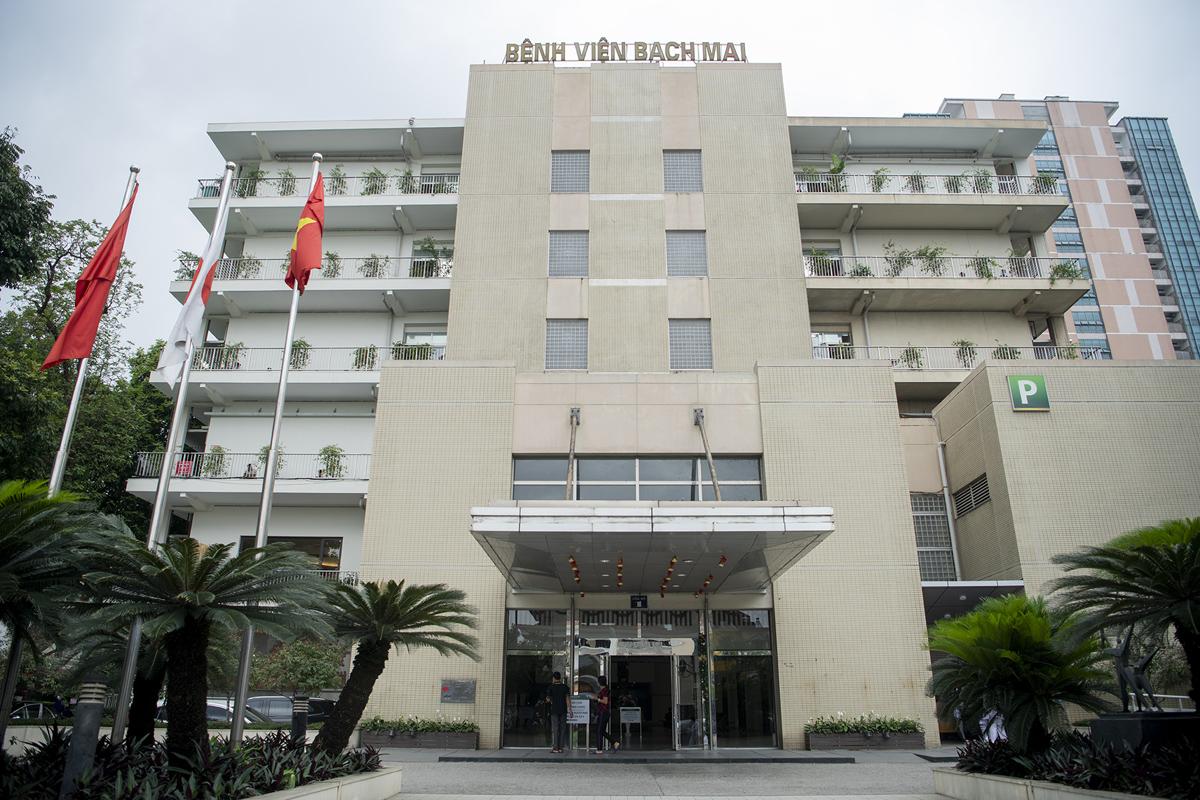
The expanded collaboration between Bach Mai Hospital and Japan’s Japan Institute for Health Security (JIHS) on ECMO training reflects this shift. Rather than focusing solely on transferring clinical techniques, the partnership aims to establish a standardized national ECMO training network capable of strengthening critical care capacity across Vietnam.
The initiative builds on nearly two decades of collaboration that began in 2008, when physicians from Bach Mai Hospital received ECMO training in Japan before successfully performing Vietnam’s first ECMO procedure. Since then, the hospital has become one of the country’s leading ECMO centers, providing advanced treatment while training clinicians from hospitals nationwide. Under the next phase of the partnership, the program will develop multidisciplinary teams, standardize training curricula, and gradually expand from northern Vietnam to the south and central regions, with the long-term ambition of creating a sustainable nationwide ECMO education network and extending cooperation to ASEAN countries.
Why does this matter?
- Vietnam is moving beyond mastering ECMO technology toward standardizing ECMO capability across the national healthcare system.
- Building multidisciplinary ECMO teams may improve consistency in critical care delivery, especially for severe cardiac and respiratory emergencies.
- Standardized training can help reduce disparities in access to advanced life-support techniques between hospitals.
- The collaboration reinforces Vietnam’s growing emphasis on workforce development as a strategic pillar of healthcare modernization.
- A national ECMO training network could strengthen Vietnam’s position as a regional center for critical care education in Southeast Asia.
Healthcare Insight Analysis
The most important story is not the partnership itself, but what it represents.
For years, healthcare investment has often been measured by new facilities and advanced medical equipment. Yet technologies such as ECMO deliver value only when supported by highly trained multidisciplinary teams capable of making rapid, complex clinical decisions.
Vietnam appears to be entering a new phase where capability building is becoming as important as technology acquisition. Instead of treating ECMO as an advanced procedure available only in leading tertiary hospitals, the long-term objective is to establish standardized training, consistent clinical protocols, and a sustainable knowledge-transfer model that strengthens critical care capacity nationwide.
This approach reflects a broader global trend in healthcare: resilient health systems are built not only through innovation, but through the ability to scale expertise safely and consistently.
Market Implications
For healthcare policymakers, the expansion of a standardized ECMO training network demonstrates that strengthening clinical capability is becoming as important as investing in medical infrastructure. If successfully implemented, the model could serve as a blueprint for developing national training systems in other high-complexity specialties, including trauma care, organ transplantation, and stroke management.
For healthcare providers, the initiative may accelerate the adoption of standardized critical care protocols while improving workforce readiness across regional hospitals. A more consistent level of expertise could enhance patient outcomes and reduce disparities in access to advanced life-support services.
For medical technology companies, the initiative may also support long-term demand for ECMO systems, patient monitoring technologies, simulation-based education, and critical care training solutions. As clinical capability expands, hospitals are likely to require complementary investments in equipment, digital training platforms, and multidisciplinary critical care infrastructure.
More broadly, the partnership signals that Vietnam’s healthcare modernization strategy is evolving beyond technology acquisition toward building sustainable clinical capability, an area that is likely to shape future public investment, international collaboration, and healthcare innovation.