

Key Development
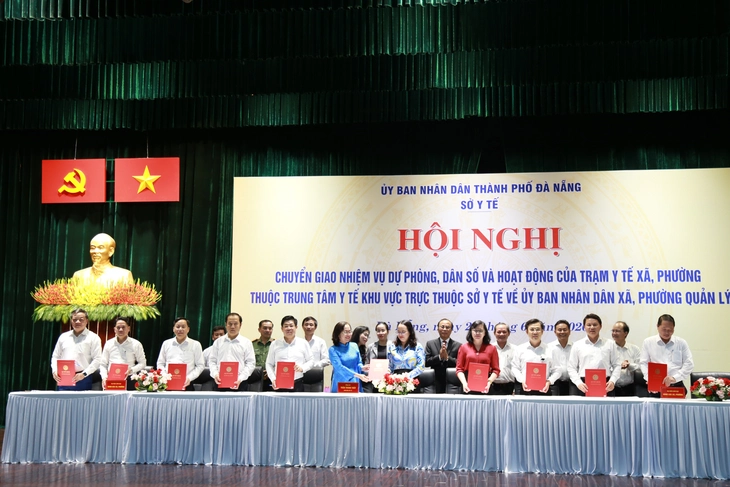
Da Nang has officially announced the transfer of 93 health stations and 194 sub-stations, along with preventive health and population tasks, from district-level health centers to the management of commune and ward People’s Committees (UBND). Effective July 1, 2026, this structural transition represents a fundamental move from a centralized professional management model to one integrated directly into local grassroots governance.
While the administrative management has shifted to local authorities, the Department of Health will retain core responsibilities for professional guidance, medical supply chains, and procurement, ensuring the continuity of citizen health insurance benefits. The primary mandate is to eliminate “gray areas” in oversight, holding the Chairpersons of local People’s Committees directly accountable for health outcomes within their jurisdictions.
Why It Matters
-
Linking Governance with Public Health: By making the local leadership the highest authority responsible for health, the system aims to create stronger accountability and better governance of local health resources.
-
Strengthening the “Gatekeeper” Role: Primary healthcare units are expected to enhance their early warning systems and disease surveillance capabilities through closer integration with local grassroots administrative bodies.
-
Supply Chain Continuity: The Department of Health retains control over drug and material provision, maintaining professional standards while decentralized administration handles operational management.
-
Professional Capacity Gap: The transition highlights an immediate concern regarding specialized expertise and physician shortages at the grassroots level, necessitating urgent training and skill-development frameworks.
Healthcare Insight Analysis
From the perspective of Healthcare Insight, Da Nang’s decision represents a pivotal strategy of “Localizing Healthcare Governance.” By shifting 93 health stations under the direct supervision of ward and commune People’s Committees, the city is effectively decoupling operational management from professional oversight.
The true impact of this decentralized model rests on local autonomy. With direct management authority, commune-level administrations are empowered to proactively deploy tailored health programs, moving away from the “one-size-fits-all” allocation plans of district-level centers. Yet, this operational agility faces a significant “capability deficit.” The administrative transfer is swift, but staffing these stations with physicians and specialists capable of acting as effective primary care gatekeepers remains the ultimate hurdle for this model’s long-term sustainability.
Market Implications
-
For Pharmaceutical and MedTech Companies: Go-to-market strategies must evolve. Engaging with local People’s Committee leadership becomes as critical as traditional hospital channel management, especially for community-based public health programs.
-
For Medical Training and Consulting Services: The need for specialized professional training for grassroots health personnel in Da Nang will surge. This presents significant opportunities for medical education providers to partner with local authorities to upskill station personnel.
-
For Future Healthcare Infrastructure Investment: This decentralized model potentially lowers the barrier for public-private partnerships (PPP) at the grassroots level. As local governments gain more authority over assets and operational management, they may be better positioned to foster joint ventures or socialized healthcare models in the future.
Source: https://tuoitre.vn/da-nang-chuyen-giao-93-tram-y-te-ve-ubnd-xa-phuong-quan-ly-100260626155635668.htm