
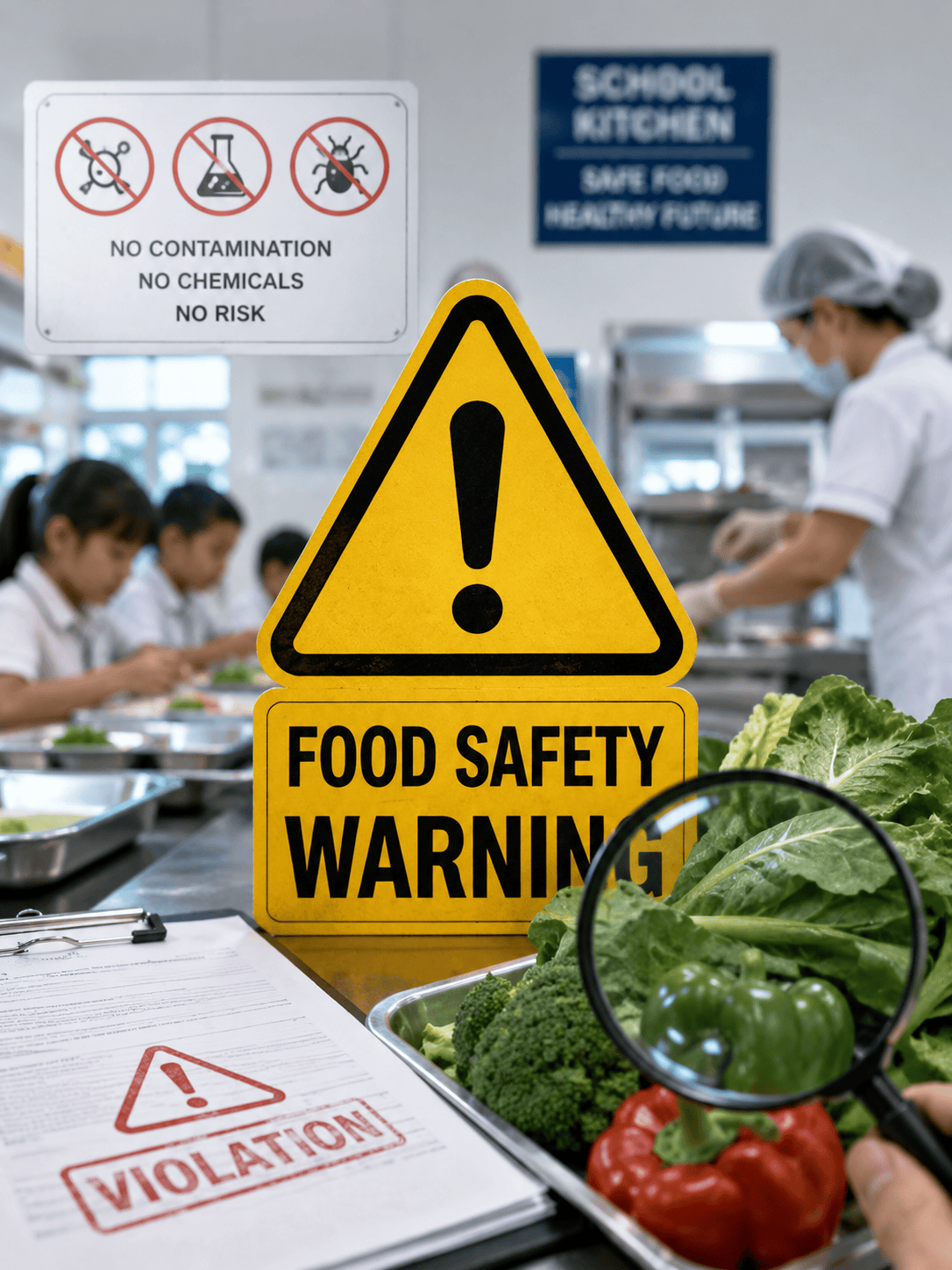
Hanoi authorities have intensified oversight of school meal supply chains after inspections identified multiple violations involving food suppliers serving educational institutions. Enforcement actions included financial penalties, temporary suspensions, and referrals of suspected criminal cases related to food safety, reflecting a broader effort to strengthen governance across the school nutrition ecosystem.
The crackdown extends beyond individual suppliers. Authorities also reviewed bottled water producers serving schools and held local organizations accountable for shortcomings in food safety management. The initiative signals a shift toward stricter oversight of the entire procurement and supply chain rather than focusing solely on incidents after they occur.
As school meal programs continue to expand, regulators are placing greater emphasis on traceability, supplier qualification, and accountability to reduce food safety risks and strengthen public confidence in institutional catering.
Why It Matters
- School food safety is becoming a strategic public health priority rather than a routine compliance issue.
- Increased enforcement raises expectations for supplier transparency and traceability.
- Educational institutions may adopt more rigorous vendor selection and quality assurance processes.
- Food manufacturers and distributors serving schools face growing regulatory and reputational risks.
- Stronger oversight can improve trust among parents while reducing the likelihood of large-scale food safety incidents.
Healthcare Insight Analysis
The latest enforcement campaign reflects an important evolution in Vietnam’s approach to food safety governance. Rather than reacting only after outbreaks occur, regulators are increasingly focusing on preventive supervision throughout the food supply chain.
For healthcare leaders, food safety in schools extends beyond regulatory compliance. Safe nutrition is a critical determinant of child health, influencing growth, cognitive development, attendance, and long-term well-being. Failures within institutional food systems can quickly become public health events with significant social and economic consequences.
The inspection campaign also reinforces a global trend toward risk-based food safety management. Governments are demanding greater transparency in sourcing, transportation, storage, and preparation, while expecting suppliers to maintain documented quality management systems that withstand regulatory scrutiny.
For companies operating in food production, distribution, and institutional catering, compliance is becoming a competitive advantage. Organizations capable of demonstrating robust quality assurance, digital traceability, and consistent operational standards will be better positioned to secure long-term contracts with schools and other public institutions.
Market Implications
The latest enforcement actions are likely to accelerate investment in food safety management, supplier auditing, and digital traceability across Vietnam’s institutional food service sector.
Over the long term, stricter regulation may drive market consolidation, favoring suppliers with stronger compliance capabilities while encouraging broader adoption of international food safety standards. For the healthcare ecosystem, strengthening food safety governance represents an essential investment in disease prevention, public confidence, and healthier learning environments.