

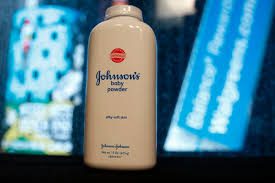
A Los Angeles jury has ruled in favor of Johnson & Johnson (J&J) in a product liability lawsuit initiated by the families of three women. The litigation alleged that the multinational’s cosmetic talc assets were the direct catalyst for developing fatal ovarian cancer. Following deliberations, the jury formally determined that J&J was not negligent when commercializing its cosmetic talc products to consumers.
The documented judicial contexts, stakeholder responses, and corporate product modification histories feature:
-
Litigation Background and Plaintiff Details:
-
The civil action was originally brought forward by the surviving families of Mary Owens, Bonnie Tienken, and Geneva Williams. Each of the three women passed away from ovarian cancer following historical usage of the company’s talc-based baby powder.
-
In response to the defense verdict, attorney Ari Friedman, representing one of the primary plaintiffs, issued a statement describing the jury’s final determination as “disappointing”.
-
-
Mass Tort Scaling and Broad Litigation Footprint:
-
Aggregated Docket Numbers: J&J faces an extensive legal backlog, with more than 67,000 individual plaintiffs filing lawsuits alleging that its baby powder and broader talc-based product portfolio induce ovarian cancer. Virtually all remaining outstanding civil claims against the company reside within this ovarian cancer risk category.
-
Historical Courtroom Outcomes: While J&J has secured total defense victories in select jurisdictions—including a trial conclusion recorded in Oklahoma last week—juries in alternative venues have historically handed down substantial monetary verdicts penalizing the corporation.
-
Alternative Carcinogenic Claims: Separate from the ovarian cases, J&J has successfully finalized settlements covering a substantial majority of product claims alleging that its talc inventory caused mesothelioma, a rare form of pulmonary cancer explicitly linked to asbestos exposure.
-
-
Corporate Retaliation and Strategic Supply Chain Adjustments:
-
Defense Arguments: Erik Haas, Johnson & Johnson’s Vice President of Litigation, targeted the structural integrity of the plaintiff’s scientific evidence, framing the baseline case parameters as being grounded entirely in “junk science”.
-
Product Transition Timelines: Operationally, J&J permanently discontinued the commercial distribution of talc-based baby powder within the United States market in 2020. The corporation subsequently re-engineered its manufacturing portfolio to transition exclusively to a cornstarch-based product alternative.
-