

Key Development
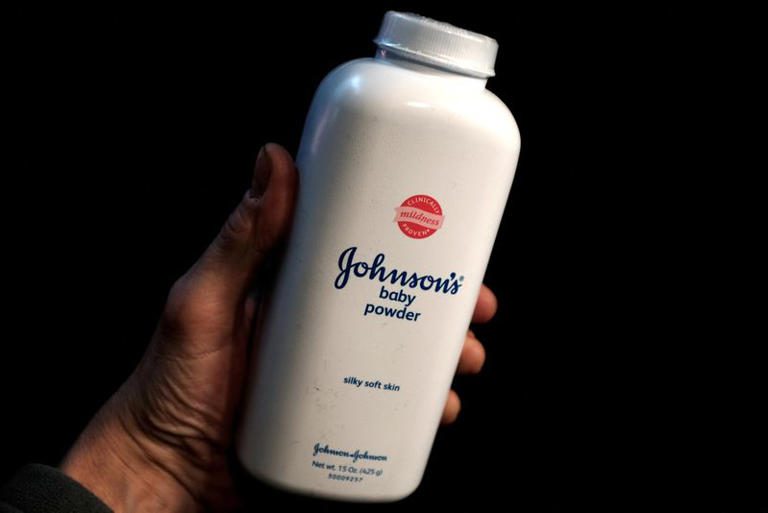
Johnson & Johnson has announced a proposed US$5.5 billion settlement to resolve approximately 69,000 remaining lawsuits alleging that its talc based products, including Johnson’s Baby Powder, caused ovarian cancer. The agreement would resolve 99.75% of all remaining filed claims covered by the deal and will only become effective if at least 95% of eligible claimants choose to participate.
The settlement follows more than a decade of complex litigation and several unsuccessful attempts by the company to resolve the claims through bankruptcy proceedings. Unlike previous strategies, the new agreement relies on direct negotiations with plaintiffs rather than restructuring through the courts. Johnson & Johnson continues to deny that its talc products caused cancer or contained asbestos, stating that the settlement is intended to bring long term certainty rather than acknowledge liability.
The development represents one of the largest product liability settlements in healthcare history and underscores how prolonged litigation can reshape corporate strategy, financial planning and brand management for even the world’s largest healthcare companies.
Why It Matters
• The agreement could resolve one of the pharmaceutical industry’s longest running mass tort disputes.
• Product liability is becoming a strategic financial and governance issue for global healthcare companies.
• Direct settlements may increasingly replace bankruptcy based litigation strategies.
• Regulatory compliance and product transparency are becoming more important in protecting long term corporate value.
• The case reinforces the importance of proactive risk management across the healthcare industry.
Healthcare Insight Analysis
From Healthcare Insight’s perspective, the proposed settlement is less about admitting responsibility and more about reducing long term uncertainty. For Johnson & Johnson, years of litigation have created ongoing legal costs, reputational challenges and investor concerns despite the company’s consistent position that its talc products are safe.
The case also highlights a broader shift in pharmaceutical risk management. Product quality alone is no longer sufficient to protect enterprise value. Companies must also demonstrate robust governance, transparent scientific communication and effective legal strategies throughout a product’s lifecycle. Once litigation reaches large scale, even financially strong organisations may conclude that certainty carries greater value than prolonged courtroom victories.
Another important implication is the growing influence of environmental, social and governance considerations in healthcare investment. Investors increasingly evaluate litigation exposure alongside pipeline strength, commercial performance and research capabilities. Large scale legal disputes can affect valuation, capital allocation and acquisition strategies even when they involve legacy consumer products rather than innovative medicines.
More broadly, the settlement illustrates how historical product controversies can continue to shape corporate priorities long after products leave the market. Johnson & Johnson discontinued talc based baby powder in the United States in 2020 and later transitioned globally to a cornstarch based formulation, yet legal exposure has remained a major strategic issue.
Market Implications
If finalised, the settlement may become a reference point for resolving future mass product liability cases across the pharmaceutical and consumer healthcare industries. Companies facing large scale litigation could increasingly favour negotiated global settlements over lengthy legal battles that create prolonged financial uncertainty.
For healthcare executives and investors, the announcement reinforces that legal risk has become a core component of corporate strategy. Alongside innovation and commercial execution, governance, transparency and effective litigation management are now essential pillars of sustainable long term growth.