

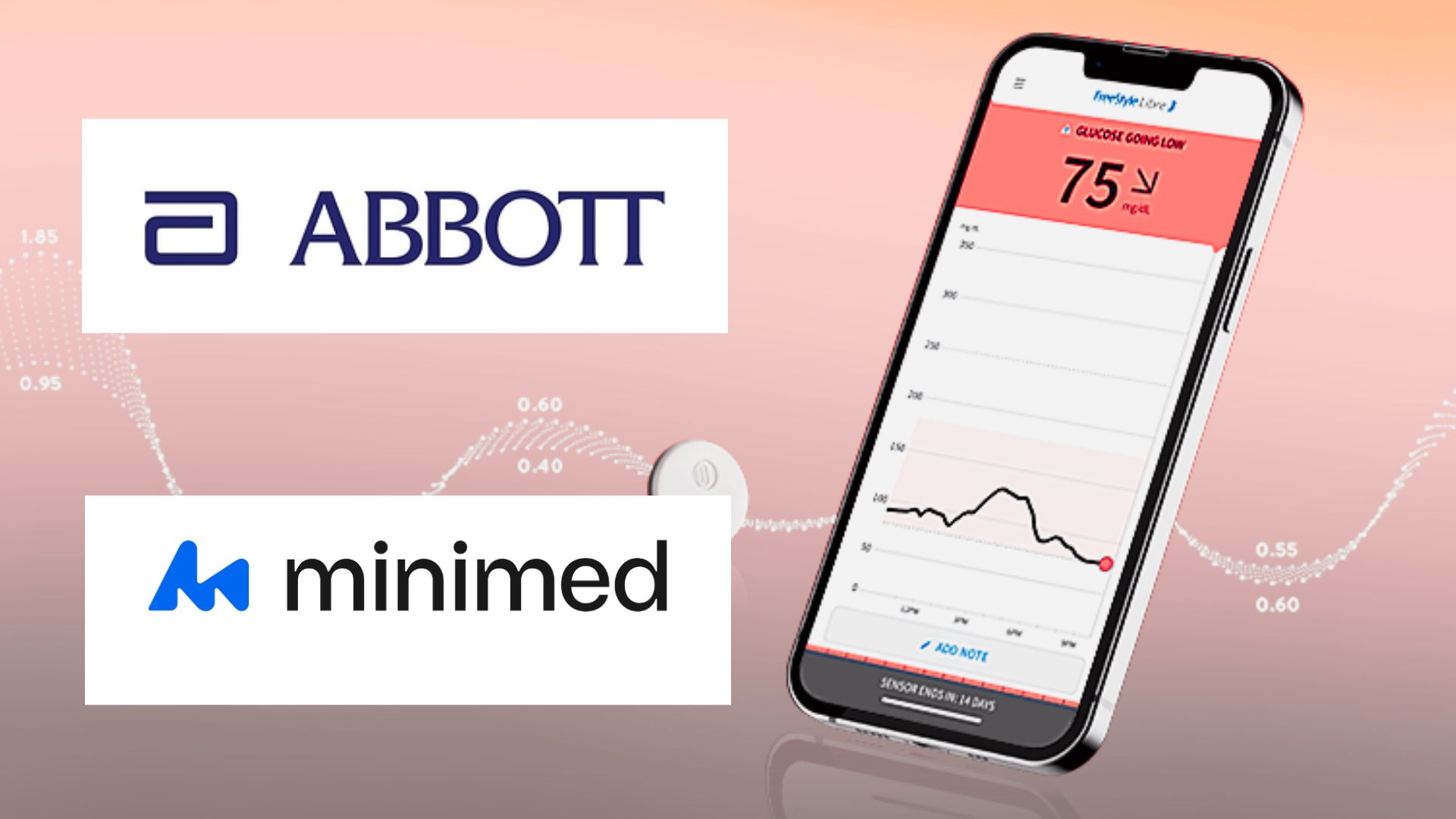
Diabetes technology leader MiniMed has announced an expanded strategic partnership with Abbott to develop and commercialize proprietary dual glucose-ketone sensors. The specialized wearable assets are engineered exclusively for direct integration with MiniMed’s automated smart dosing platforms. This joint technological development aims to deliver real-time monitoring of both vital biomarkers through a single device, empowering patients with type 1 diabetes to identify the early onset of diabetic ketoacidosis (DKA) before it escalates into a acute medical emergency.
The validated technical specifications, epidemiological profiles, and underlying clinical management layouts feature:
-
Technical Architecture and Hardware Integration:
-
The updated contract builds directly upon the corporations’ active framework surrounding the Instinct sensor, manufactured by Abbott.
-
The upcoming dual-monitoring sensors will preserve the compact form factor pioneered by the baseline Instinct hardware, which is globally recognized as the smallest and thinnest continuous glucose monitoring sensor currently available.
-
By integrating continuous ketone tracking into automated insulin delivery algorithms and smart multiple daily injection (MDI) systems, the system introduces a dual-sensing mechanism optimized to capture volatile biometric shifts simultaneously.
-
-
Clinical Realities and Diagnostic Blind Spots of DKA:
-
Diabetic ketoacidosis manifests when systemic insulin deficiency blocks glucose utilization, causing the body to metabolize fat reserves for energy. This metabolic shift produces acidic ketones that accumulate rapidly in the bloodstream, triggering critical acid levels. DKA drives hundreds of thousands of emergency hospitalizations annually in the United States and remains a dominant cause of mortality among pediatric and adult type 1 diabetes populations under 58 years of age.
-
A primary clinical obstacle in mitigating DKA is that ketone concentrations can surge completely independently of standalone blood glucose levels. Consequently, ketone metrics can escalate even while conventional glucose readouts register within targeted parameters, masking the underlying pathology. Legacy monitoring tools—reliant on invasive finger-stick blood tests or urine-based diagnostic strips—are typically deployed reactively after severe symptoms like nausea, vomiting, abdominal pain, or systemic fatigue have surfaced.
-
-
Operational Trajectory and Regulatory Standing:
-
Que Dallara, Chief Executive Officer of MiniMed, noted that matching dual glucose-ketone sensing with automated systems establishes an additional layer of predictive safety protection. The platform tracks both biological targets concurrently, giving healthcare providers and patients the ability to flag hazardous ketone concentrations prior to symptom development.
-
Finanziarily and operationally, the co-developers have withheld specific commercialization timelines, stating that updates regarding clinical development phases, market availability, and regulatory submissions will be shared in the coming months.
-
Abbott’s investigational dual glucose-ketone monitoring platform has not yet secured formal regulatory clearance and is currently restricted from commercial sale within the United States.
-