

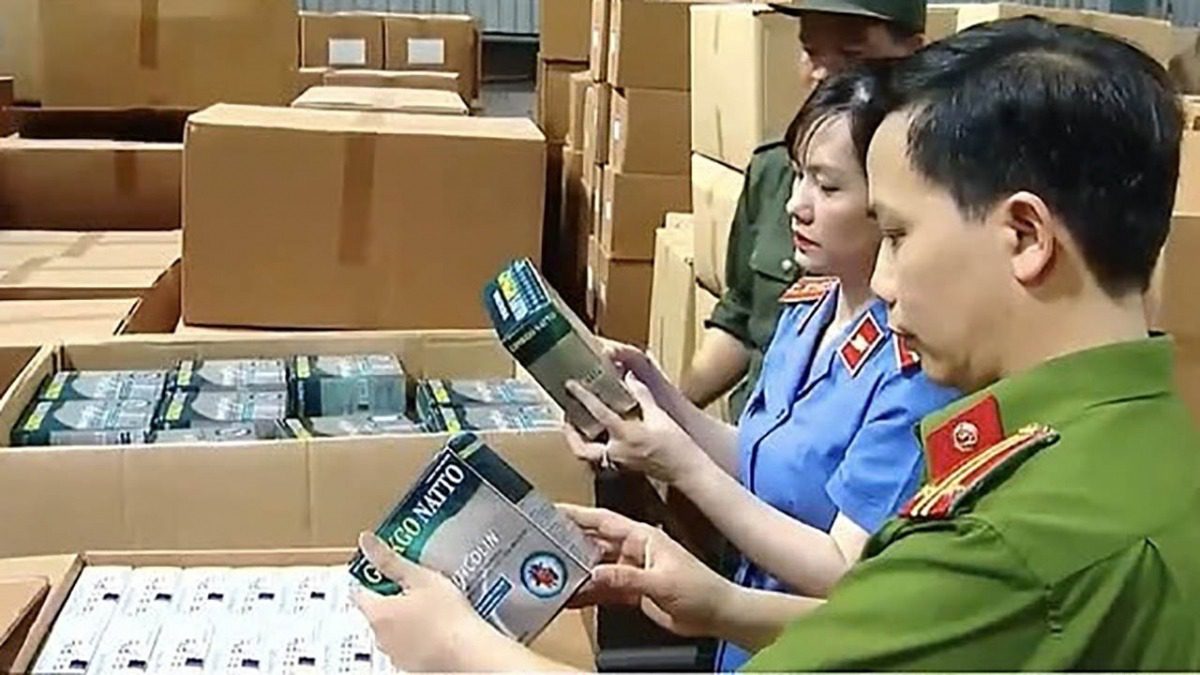
The Vietnam Food Administration (VFA), operating under the Ministry of Health, has dispatched an official directive to provincial and municipal Departments of Health, the Ho Chi Minh City Department of Food Safety, and localized Food Safety and Hygiene Sub-departments. The mandate instructs units to immediately collaborate with police forces, market surveillance authorities, and relevant administrative bodies to strengthen production controls, expand risk-based post-audits, and systematically tighten regulatory oversight on food advertising—specifically targeting dietary supplements commercialized across digital environments.
The documented high-risk product categories, technical inspection protocols, and operational decentralization frameworks feature:
-
Counterfeit Food Mitigation and High-Risk Segments:
-
Implementation Foundations: This directive was enacted pursuant to guidance from the Government Office regarding the National Assembly Standing Committee’s conclusions on public petitions, incorporating strategic proposals from the Quang Ninh Provincial Police concerning the prevention of counterfeit dietary supplements.
-
Target Product Registry: Local authorities are required to intensify monitoring of counterfeit, sub-standard, and unverified food products. Specialized focus must be allocated to high-risk categories, including milk, dietary supplements, health supplements, and food products engineered for pediatric and geriatric demographics. Upon discovering non-compliance, units must execute immediate sample testing, trace product origins, impose strict administrative sanctions, and transfer dossiers to competent authorities if criminal signs are detected.
-
-
Post-Audit Technical Standards for Supply Establishments:
-
Inspected Venues: Utilizing risk-based management principles, investigative actions will target industrial zone and school cafeterias; commercial catering services; restaurants; street food vendors; traditional markets, supermarkets, convenience stores, and online food retail entities.
-
Technical Audit Parameters: Inspections must systematically evaluate institutional hygiene conditions, raw material origins, procurement contracts, storage environments, expiration timelines, the execution of the mandatory three-step food inspection process, retention of food samples, and the professional knowledge and physiological health status of food handlers.
-
-
Public Communication and Safety Warnings for Consumers:
-
Amid hot weather conditions that accelerate cross-contamination risks and foodborne illnesses, regulatory bodies must deliver accessible guidelines to assist consumers in identifying, selecting, and preserving safe food.
-
The VFA advises the public to strictly avoid consuming expired products, items with deformed packaging (swollen, dented, or rusted), or commodities displaying abnormal color, odor, or taste, while simultaneously demanding heightened hygiene accountability from processing establishments.
-