

Key Development
According to a comprehensive municipal oversight report submitted by the Ho Chi Minh City People’s Committee to the National Assembly’s Committee on Science, Technology, and Environment in early September 2026, municipal authorities detailed the structural capacity, infrastructure limitations, and technical bottlenecks governing food safety for an urban population exceeding 10 million residents:
-
Centralized Slaughterhouse Capacity & Livestock Traceability: The city operates 82 commercial and semi-industrial slaughterhouses with an average daily throughput of approximately 9,000 pigs, 116 cattle, and over 143,000 poultry. Regulatory audits confirmed that 100% of livestock sourced through these 82 licensed sites demonstrated verified origins, with zero detections of prohibited beta-agonist lean-meat agents or veterinary tranquilizers.
-
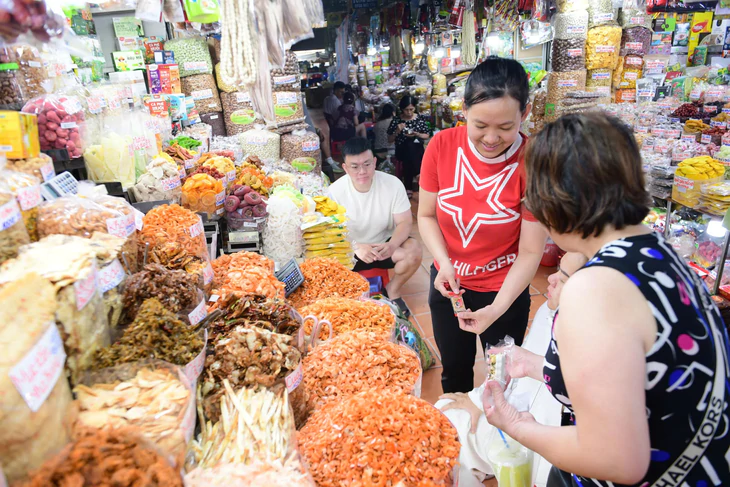
Modernization Deficits Across 402 Municipal Wet Markets: HCMC maintains 402 traditional wet markets, of which only 47 facilities (~11.7%) have fully implemented the national pilot food safety market model under standard TCVN 11856:2017. The remaining 355 markets suffer from deteriorating physical infrastructure, severe municipal funding constraints for capital upgrades, and limited private sector investment incentives.
-
Surveillance Sampling Identifies ~1,200 Non-Compliant Lots: Systematic laboratory sampling conducted across major wholesale distribution hubs (Binh Dien, Hoc Mon, Thu Duc) and modern retail channels identified nearly 1,200 non-compliant food samples, primarily driven by microbiological contamination and prohibited chemical residues.
-
VND 73.7 Billion Integrated Digital Surveillance Infrastructure (2026–2027): The city is actively executing a VND 73.7 billion (~$2.9M USD) cross-departmental data integration project designed to unify digital food safety intelligence across municipal agencies, while expanding the “Safe Food Chain” certification and digital QR-code traceability for pork, poultry, and poultry eggs.
Why It Matters
-
The 24-Hour Perishable Recall Dilemma: Unlike shelf-stable packaged foods, fresh perishable produce and meats distributed through wholesale hubs have an ultra-short shelf life, typically moving from slaughter to table within 12 to 24 hours. Consequently, by the time analytical laboratory assays confirm microbial contamination or chemical violations, non-compliant batches have largely been consumed in households and institutional canteens, rendering physical batch recalls operationally challenging.
-
Persistent Prohibited Antibiotic Residues in Aquaculture: The report highlights persistent contamination from banned broad-spectrum veterinary antimicrobials (such as fluoroquinolones, chloramphenicol, and nitrofurans) in seafood shipments originating from regional aquaculture basins. Chronic low-dose dietary exposure to prohibited antibiotics represents a major driver of clinical Antimicrobial Resistance (AMR) across urban demographics.
-
Enforcing Liability Across Informal Vendors & Digital Delivery Platforms: Informal roadside vendors clustered around traditional wet markets operate entirely outside municipal veterinary inspection regimes. Concurrently, the exponential growth of online food delivery apps and e-commerce platforms requires authorities to institute legal accountability frameworks compelling platform operators and cloud kitchens to publicly disclose verified food hygiene certifications.
Healthcare Insight Analysis
From the perspective of Healthcare Insight, the municipal disclosure on September 3, 2026, illustrates Metropolitan Food Safety Digital Traceability & Risk Governance.
The urban food safety framework highlights three core operational pillars:
-
Unifying Inter-Agency Intelligence (VND 73.7B Digital Backbone): The capital allocation eliminates operational silos between the HCMC Department of Food Safety, the Department of Agriculture & Rural Development, the Department of Industry & Trade, and Market Surveillance authorities. Quarantine inspection data from municipal highway gateways will synchronize in real-time with retail vendor inventories.
-
Health Economics of Standardized Market Infrastructure: Accelerating wet market upgrades under TCVN 11856:2017 mitigates long-term public health expenditures: reducing acute foodborne outbreaks, lowering hospital intensive care admissions, and mitigating chronic digestive and hepatic oncological risks linked to persistent chemical contaminants.
-
Platform-Operator Liability for Digital Food Marketplaces: Mirroring national enforcement actions against illicit dietary supplements, the city is extending strict compliance obligations to food delivery applications (such as GrabFood, ShopeeFood), mandating digital platform operators to delist unverified kitchens and authenticate hygiene credentials prior to onboarding.
Market Implications
-
Public Procurement Opportunities for HealthTech & Testing Vendors: The VND 73.7B digital systems integration will drive municipal procurement tenders for healthcare software integrators, blockchain-based agricultural traceability platforms, and rapid on-site chemical testing diagnostic kits.
-
Upgrading Supply Chains for Traditional Market Merchants: Individual stall operators across the 402 wet markets will face regulatory requirements to source exclusively from VietGAP/GlobalGAP-certified agricultural cooperatives possessing verifiable digital traceability documentation.
-
Mandatory Compliance Audits Across Food-Delivery Aggregators: On-demand food delivery platforms operating in Ho Chi Minh City must re-engineer merchant portals to display certified food hygiene and safety certificates conspicuously to end-consumers.
Performance & Operational Matrix: HCMC Food Safety Governance (September 2026)
| Urban Governance Parameter | Baseline Findings & Reported Data | Regulatory Significance & Policy Interventions |
| Centralized Slaughter Infrastructure | 82 Licensed Sites (~9K pigs, 116 cattle, 143K poultry/day) | 100% origin compliance; zero prohibited tranquilizers. |
| Wet Market Network Density | 402 Facilities (Only 47 markets meet TCVN 11856) | ~88% of traditional markets face physical infrastructure deficits. |
| Surveillance Sampling Violations | Nearly 1,200 non-compliant samples detected | Driven by banned aquatic antibiotics and microbial breaches. |
| Primary Structural Constraint | Rapid perishable turnover cycle (<24 hours) | Impedes physical recall efficacy post-laboratory analysis. |
| Strategic Digital Investment | Inter-agency food safety network (2026–2027) | VND 73.7 Billion allocated for unified data integration. |
| Traceability Expansion Program | Safe Food Chain project (pork, poultry, and eggs) | Deployment of digitized QR-code origin tracing systems. |
| Digital Commerce Governance | Strict liability for E-Commerce & Delivery Apps | Mandatory public display of verified food hygiene permits. |