

Key Development
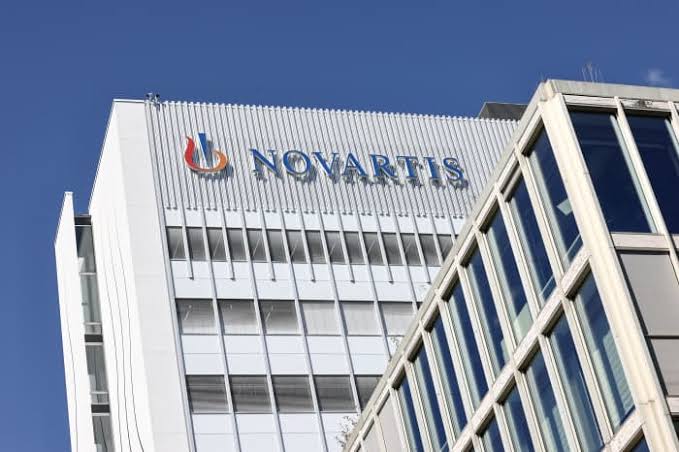
On September 8, 2026, Swiss pharmaceutical company Novartis AG reported topline results from its pivotal global Phase 3 HARBOR clinical trial (NCT06411288) evaluating delpacibart etedesiran (del-desiran; formerly AOC 1001) in patients with myotonic dystrophy type 1 (DM1).
Del-desiran represents the lead investigational antibody-oligonucleotide conjugate (AOC) acquired through Novartis’ $12 billion purchase of San Diego-based Avidity Biosciences in late 2025:
-
Primary Endpoint Outcome: Del-desiran failed to demonstrate a statistically significant improvement versus placebo on the trial’s primary endpoint of video hand opening time (vHOT) over 54 weeks of treatment. The vHOT assessment measures the severity of myotonia—a hallmark clinical feature of DM1 characterized by delayed muscle relaxation following a firm handgrip.
-
Secondary and Exploratory Findings: Novartis reported that investigators observed evidence of clinical activity across secondary endpoints (including handgrip strength, quantitative muscle testing [QMT] total score, DM1-Activ activities of daily living, and the 10-meter walk/run test [10mWRT]) and exploratory analyses. The company plans to analyze the full trial dataset and consult regulatory authorities regarding potential development paths.
-
Clinical Protocol and Study Design: The Phase 3 HARBOR study enrolled approximately 150 patients aged 16 and older across roughly 40 international sites. Participants were randomized to receive intravenous infusions of either del-desiran or placebo every eight weeks across a 54-week study window.
-
Sequential R&D Pipeline Headwinds: This readout represents the third clinical development setback for Novartis within a one-week period:
-
On September 4, 2026, the Phase 3 Lp(a)HORIZON cardiovascular trial for antisense therapy pelacarsen (partnered with Ionis) failed to achieve its primary MACE reduction endpoint in 8,323 patients.
-
The company paused clinical trials evaluating its rapid-manufacturing CAR-T cell platform (rap-cel) following three patient deaths.
-
Del-desiran missed its primary registration endpoint in the Phase 3 HARBOR trial.
-
-
Capital Markets Reaction: Novartis shares fell by more than 12% to 13% during trading on September 8, 2026. Shares of Dyne Therapeutics, which is evaluating a competing DM1 program using the vHOT metric, dropped 22%.
Why It Matters
-
Scrutiny of the $12 Billion Avidity Acquisition: Financial analysts (such as Jefferies) had assigned del-desiran an estimated 80% clinical probability of success with peak annual sales projected at $1.5 billion, accounting for roughly one-third of the standalone valuation model for the Avidity transaction. Missing the primary endpoint in this initial indication has drawn questions regarding pre-acquisition due diligence and valuation assumptions.
-
Ongoing Unmet Clinical Need in DM1: Myotonic dystrophy type 1 is a progressive, inherited neuromuscular disorder driven by a CTG repeat expansion in the DMPK gene, leading to the accumulation of toxic RNA transcripts that disrupt normal muscle protein function. There are currently no approved disease-modifying therapies available for this condition.
-
Implications for the vHOT Endpoint in Clinical Studies: Industry analysts, including Cantor Fitzgerald, noted that high variability inherent in video-based hand opening assessments may have influenced the trial’s ability to separate drug effect from placebo, prompting lowered probability-of-success estimates for competing programs using the same metric.
Healthcare Insight Analysis
From the perspective of Healthcare Insight, the Phase 3 HARBOR readout on September 8, 2026, illustrates The Translational Challenges Between Biomarker Modulation and Functional Motor Endpoints in Antibody-Oligonucleotide Conjugate Platforms.
The trial data highlights three central clinical development themes:
-
Biomarker Engagement vs. Functional Clinical Outcomes: In Phase 1/2 testing, del-desiran demonstrated target engagement, reducing toxic DMPK mRNA levels in muscle tissue biopsies. However, scaling into a larger Phase 3 patient cohort revealed challenges in translating molecular clearance into statistically significant functional motor improvements on a video-monitored endpoint.
-
Long-Term Growth Visibility Ahead of Patent Expirations: The loss of projected near-term revenues from del-desiran, combined with pelacarsen’s trial failure, adds pressure to Novartis’ growth outlook as core franchises (including Entresto) face upcoming generic competition. While management reiterated its 5% to 6% sales CAGR guidance through 2030, investor focus is shifting toward revenue sustainability into the next decade.
-
Strategic Focus on Remaining Avidity Pipeline Assets: To realize value from the Avidity acquisition, development focus will shift toward the platform’s two other clinical-stage programs:
-
Delpacibart zotadirsen (del-zota): Currently under FDA Priority Review for Duchenne muscular dystrophy amenable to exon 44 skipping (DMD44).
-
Delpacibart braxlosiran (del-brax): Advancing toward regulatory discussions with the FDA following Phase 1/2 biomarker data in facioscapulohumeral muscular dystrophy (FSHD).
-
Market Implications
-
Heightened Investor Focus on Pre-Commercial Biotech Buyouts: Novartis leadership will face increased questions regarding transaction structures and risk-adjusted return assumptions for platform acquisitions.
-
Valuation Impact on Peer Neuromuscular Developers: Shares of Dyne Therapeutics declined 22%, with Cantor Fitzgerald lowering the estimated probability of success for farabursen (DYNE-101) from 50% to 25% due to read-through risks on the shared vHOT primary endpoint.
-
Re-evaluation of Clinical Endpoints in Rare Disease Trials: The outcome may prompt regulators (FDA, EMA) and trial sponsors to reconsider the design of primary endpoints in DM1, potentially favoring composite clinical metrics, dynamometry, or activities of daily living scales.
Clinical Trial Summary Matrix: Phase 3 HARBOR (Del-Desiran / Novartis)
| Analytical Parameter | Technical Specifications & Clinical Profile | Strategic Scope & Regulatory Context |
| Investigational drug candidate | Delpacibart etedesiran (del-desiran / AOC 1001) | Antibody-oligonucleotide conjugate (anti-TfR1 mAb + DMPK siRNA) |
| Originator & Sponsor | Avidity Biosciences (Originator) / Novartis (Sponsor) | Lead clinical asset from $12B acquisition in late 2025 |
| Target disease indication | Myotonic Dystrophy Type 1 (DM1) | Progressive rare genetic disorder with no approved therapies |
| Clinical trial architecture | Phase 3 HARBOR registrational trial (NCT06411288) | ~150 patients, 1:1 randomized, double-blind, 54 weeks |
| Primary efficacy endpoint | Video hand opening time (vHOT) vs. placebo | Did not achieve statistical significance |
| Key secondary endpoints | Grip strength, QMT score, DM1-Activ, 10mWRT | Evidence of biological activity observed; under evaluation |
| Capital markets movement | Novartis shares declined >12% to 13% on Sept 8, 2026 | Reflects three consecutive clinical setbacks within a week |
| Cross-company impact | Dyne Therapeutics shares fell 22% | Cantor Fitzgerald lowered probability of success from 50% to 25% |